


Miracle Principle Nº 38: A miracle is a correction factor introduced into false thinking by me. It acts as a catalyst, shaking …
What does it really mean to have a moment of insight? | Psyche Notes to Self
From art to science to love, the moment of insight happens when we see a likeness between different things
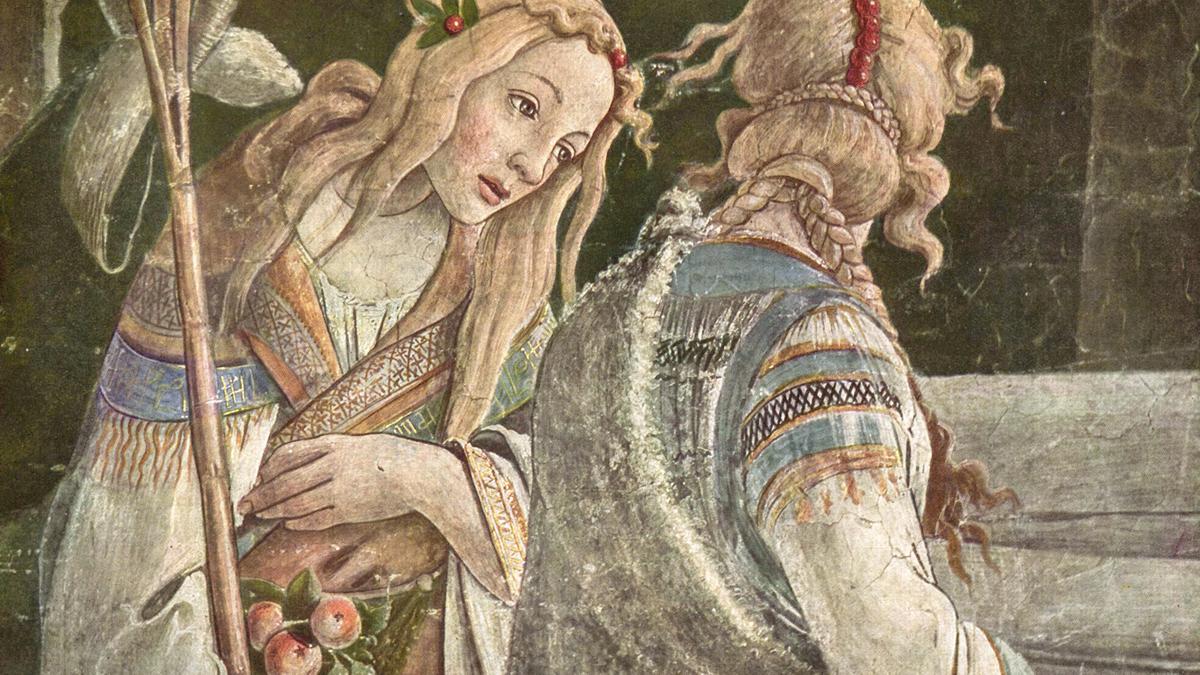
Mystified magicians of the mind
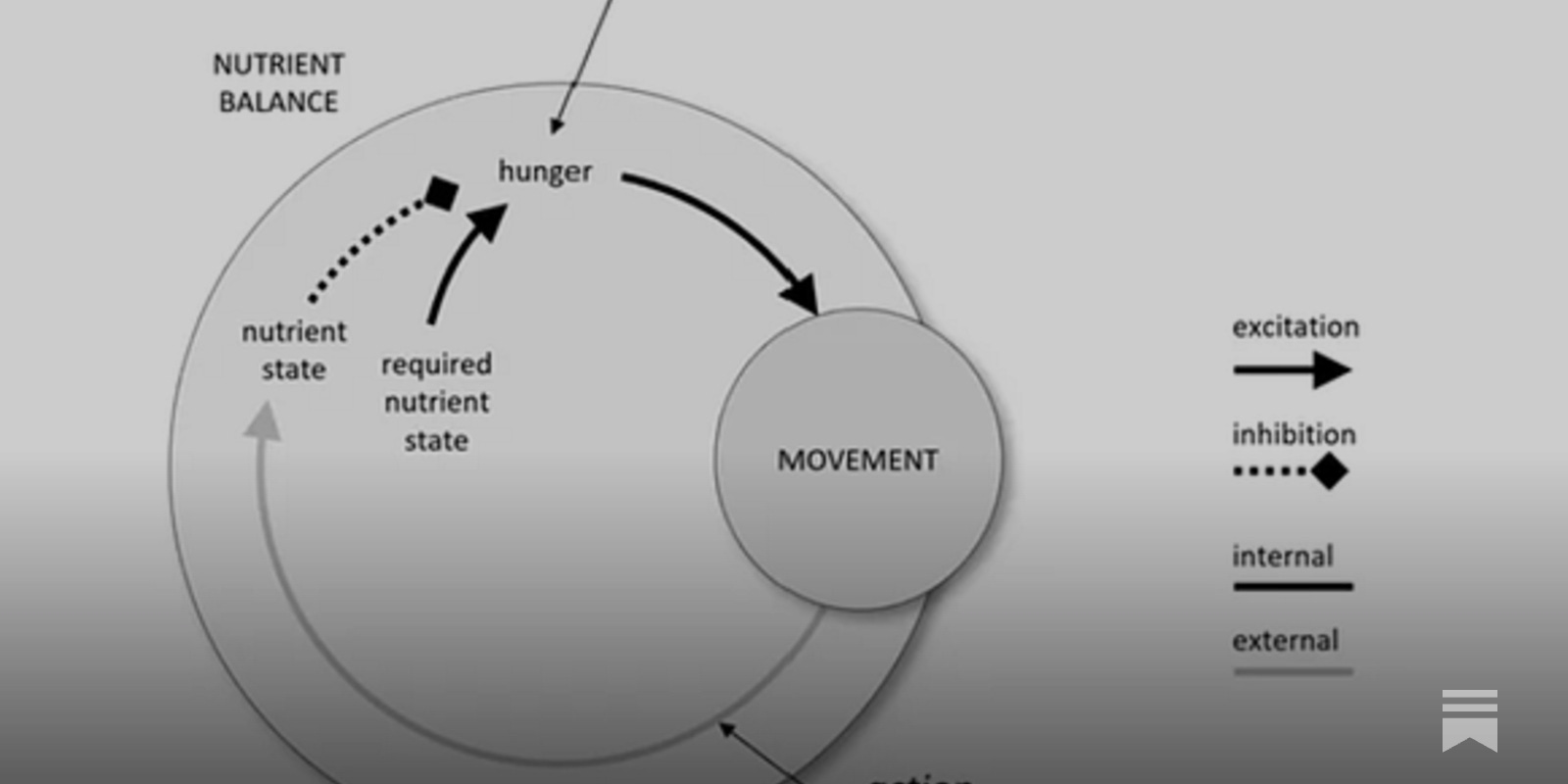
My conversation with neuroscientist Paul Cisek
Reiki
Reiki is a pseudoscientific form of energy healing, a type of alternative medicine originating in Japan. Reiki practitioners use a technique called palm healing or hands-on healing through which, according to practitioners, a "universal energy" is transferred through the palms of the practitioner to the client, to encourage emotional or physical healing. It is based on qi ("chi"), which practitioners say is a universal life force, although there is no empirical evidence that such a life force exists.
Energy medicine
Energy medicine is a branch of alternative medicine based on a pseudo-scientific belief that healers can channel "healing energy" into patients and effect positive results. The field is defined by shared beliefs and practices relating to mysticism and esotericism in the wider alternative medicine sphere rather than any unified terminology, leading to terms such as energy healing, vibrational medicine, and similar terms being used synonymously. In most cases, no empirically measurable "energy" is involved: the term refers instead to so-called subtle energy. Practitioners may classify their practice as hands-on, hands-off, or distant, wherein the patient and healer are in different locations. Many approaches to energy healing exist: for example, "biofield energy healing", "spiritual healing", "contact healing", "distant healing", therapeutic touch, Reiki, and Qigong.
How to be more creative in seconds!
Superintelligence: The Idea That Eats Smart People
This is the text version of a talk I gave on October 29, 2016, at Web Camp Zagreb [video] (45 mins)
The Paradox of Perfection: When ‘Good Enough’ is Actually Better
Exploring the tension between engineering perfectionism and pragmatic delivery. Discover why striving for the perfect solution often prevents us from shipping valuable improvements and how to find the balance.
Philosophy Experiments — Interactive Thought Experiments
Explore 27 interactive philosophy experiments that challenge your moral intuitions, test your logical reasoning, and probe the boundaries of belief.
Esotericism in One Piece: Navigating Magic, Symbolism and Spirituality
Introduction Idea Presentation

The revolt of the reader | The Observation Deck
Reading is important to me. While I’m not a quick reader nor an especially voracious one, I have found that long-form reading has had a profound influence on me over my life. And because reading is important to me, writing is too: writing not only allows us to convey our ideas, but the very act forces us to test and distill them — at once making our ideas more robust while providing the vehicle by which to share them.
The Laws of Simplicity / John Maeda
The simplest way to achieve simplicity is through thoughtful reduction.
Creative limitation
Creative limitation is the concept of how purposely limiting oneself can actually drive creativity. At a 2013 TED conference, artist Phil Hansen made several remarks concerning the value of limitations, among them that "We need to first be limited in order to become limitless,” and “If you treat the problems as possibilities, life will start to dance with you in the most amazing ways.”[TED.com 1]
Hypothesis
A hypothesis is a proposed explanation for a phenomenon. A scientific hypothesis must be based on observations and make a testable and reproducible prediction about reality, in a process beginning with an educated guess or thought. If a hypothesis is repeatedly independently demonstrated by experiment to be true, it becomes a scientific theory. In colloquial usage, the words "hypothesis" and "theory" are often used interchangeably, but this is incorrect in the context of science.

Freefall 4399 July 13, 2026
TRANSCRIPT Sam: Telling the computer what I want to have done. It makes my job easy. I don't know how it works. I don't know what I'm actually doing. Sam: I've always assumed the other guys know what they're doing. If they're using A.I. as well... this could be a problem. Sam: It makes it too obvious that almost nobody knows what they're actually doing. That destroys one of the illusions societies are built on.