

Intro I recently worked through a problem from a theory of computation textbook that asked me to prove a property of a language using finite automata. The informal proof is a simple constructive proof where you build an automaton and show that it recognizes the language. This is kind of similar to program verification, so I thought it’d be interesting to see what it takes to formalize the proof. Lean is a good choice for this, because its Mathlib has all the theorems for the problem.
Palomar — Lean-verified mathematics
A public registry of Lean-verified mathematical results.
What Functional Programmers Get Wrong About Systems - Ian Duncan
Type systems verify properties of programs. Production correctness is a property of systems. The gap between these is where the interesting failures live.
Lean Data Automation: A Principal Components Approach
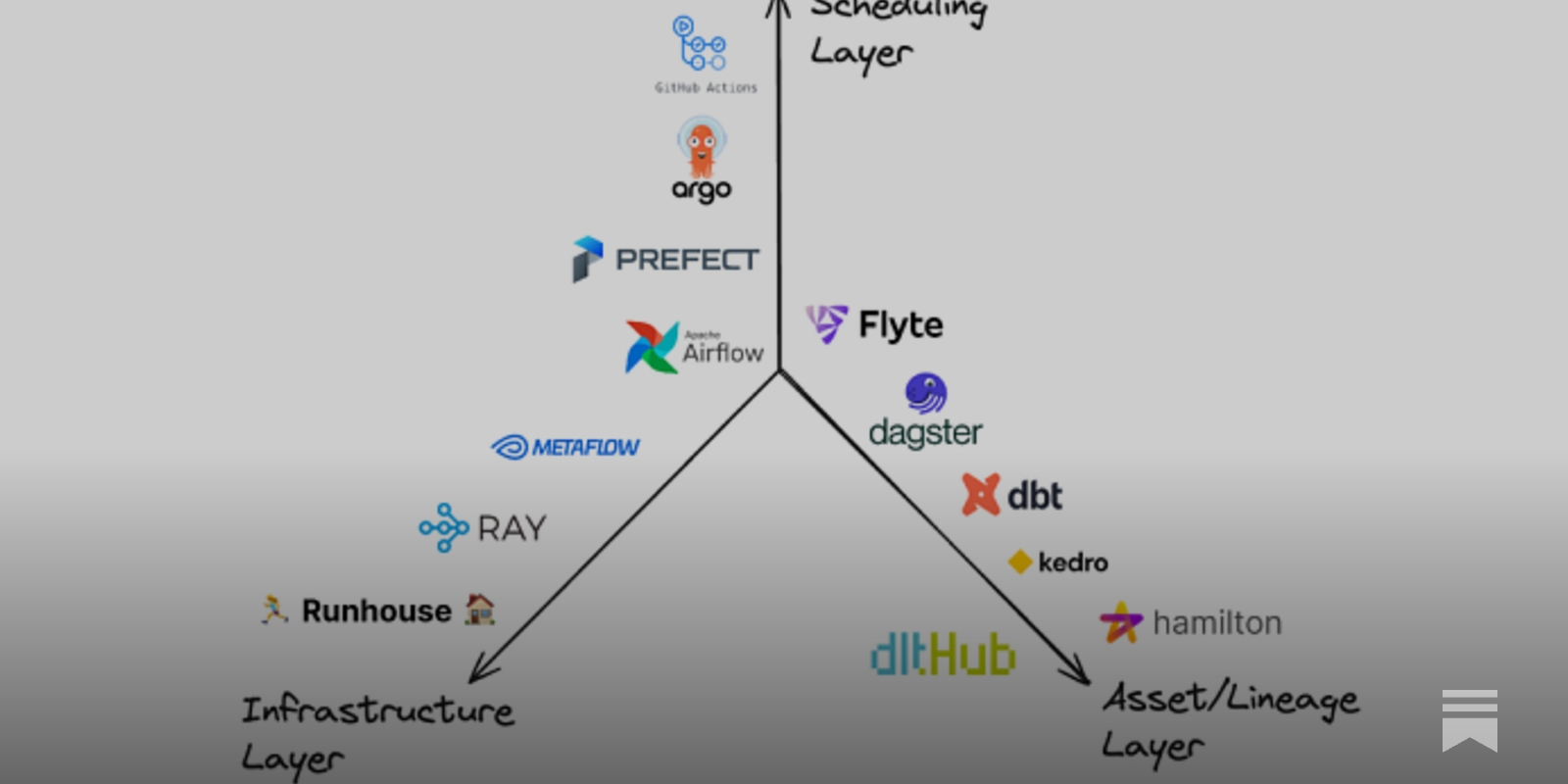
Plus: A nimble, composable example with Github Actions, Hamilton, and Runhouse
</> htmx ~ Working With AI: A Concrete Example
In this essay, Carson Gross walks through a concrete bug fix in hyperscript to show where AI helped, where it fell short, and why keeping a knowledgeable human in the loop is what kept complexity in check.
Serpentine software
I don’t usually write hot takes. But StrongDM’s Software Factory post is worth it, so here goes. Their post is elegant, short, and well-written, so I’m going to just go through a bunch of pull quotes. Compounding correctness long-horizon agentic coding workflows [now] compound correctness rather than error This is a big, empirical claim. I’m already convinced by my own experiences that agents, suitably scaffolded, can form a Brownian ratchet, such that pouring on more compute helps, on balance.
Pony
An open-source, object-oriented, actor-model, capabilities-secure, high-performance programming language.

Clean — Perfect by Construction
Clean is an embedded Lean DSL for zk circuits. Every gadget carries soundness and completeness proofs, checked by Lean.
"Concatenative programming and stack-based languages" by Douglas Creager
Laws of Software Engineering
A collection of principles and patterns that shape software systems, teams, and decisions.

Modular: The Claude C Compiler: What It Reveals About the Future of Software
Compilers occupy a special place in computer science. They're a canonical course in computer science education. Building one is a rite of passage. It forces you to confront how software actually works, by examining languages, abstractions, hardware, and the boundary between human intent and machine execution.

Conway's Law | Laws of Software Engineering
Organizations design systems that mirror their own communication structure.

Andrej Karpathy on Twitter / X
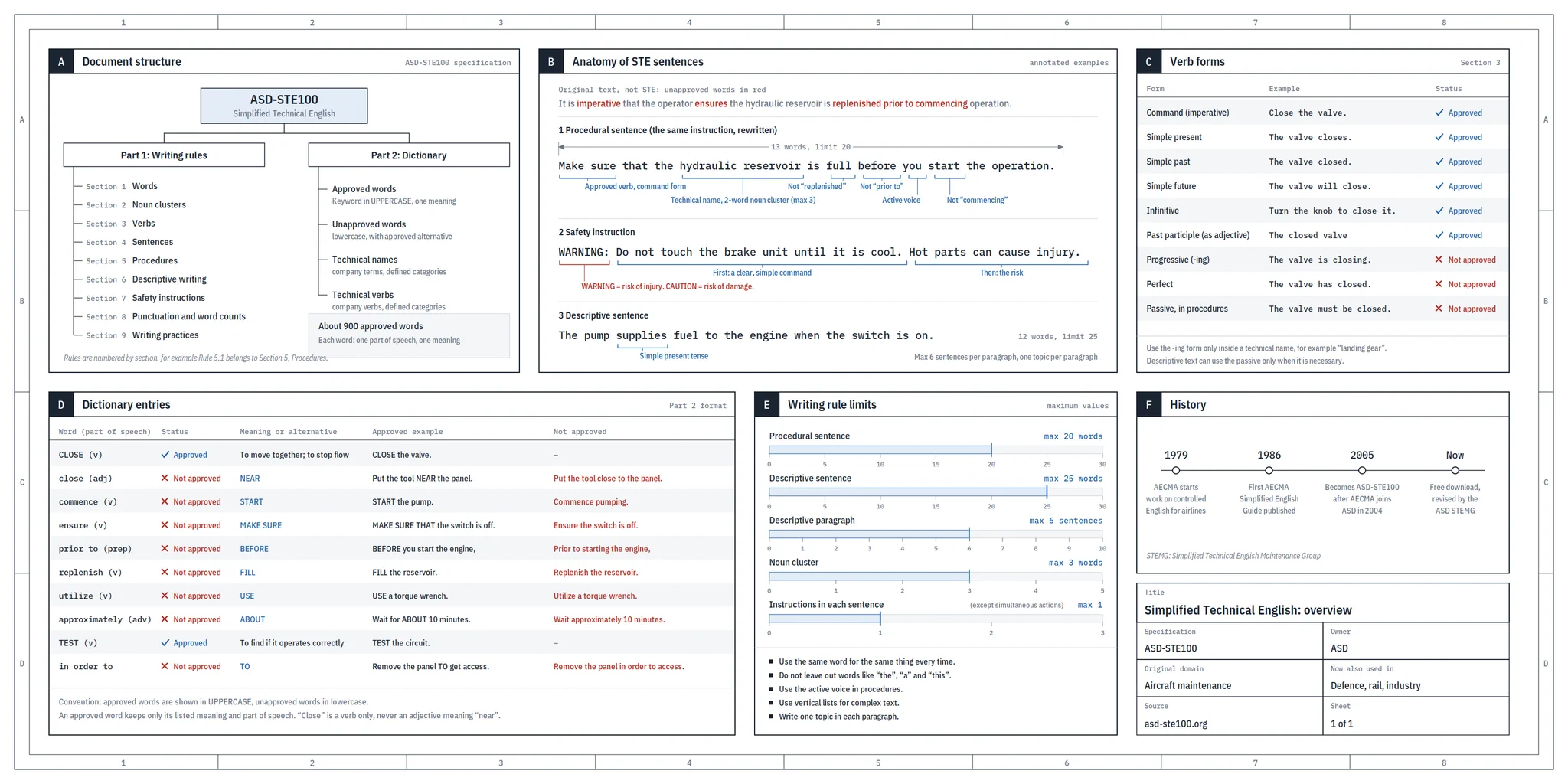
We'll be spending a lot more time trying to understand the outputs of language models. A few thoughts, tips & tricks:Writing. Something I've had success with: Ask your LLM to explain something in ASD-STE100, it's a controlled language specification originally developed for… pic.twitter.com/uMFWTcBCsl— Andrej Karpathy (@karpathy) October 2, 2026
Self-Instruct: Aligning Language Models with Self-Generated Instructions
Large "instruction-tuned" language models (i.e., finetuned to respond to instructions) have demonstrated a remarkable ability to generalize zero-shot to new tasks. Nevertheless, they depend...

Programming (with AI agents) as theory building
Back in 1985, computer scientist Peter Naur wrote “Programming as Theory Building”. According to Naur - and I agree with him - the core output of software engineers is not the program itself, but the theory of how the program works. In other words, the knowledge inside the engineer’s mind is the primary artifact of engineering work, and the actual software is merely a by-product of that.
