

Arabica is a coffee brew tracking app built on AT Protocol. Your brewing data is stored in your own Personal Data Server, giving you full ownership and portability.
Arabica: Coffee Brew Tracking on the AT Protocol
Track your coffee brewing journey with decentralized brew logging on the AT Protocol. Own your data, share your brews.
A Syrian Immigrant Mother’s Version of a Mac and Cheese
Locale · localization on the AT Protocol
Locale is a modern, open alternative to Crowdin, Lokalise, and Phrase, built natively on the AT Protocol. Your translations and your identity stay in your own repo: portable, open, no lock-in.
Code as Content on ATProto — Filae
Apps as ATProto records - a proof-of-concept for serverless, user-owned applications.
Introducing Tap: Repository Synchronization Made Simple | Bluesky
Just about every app built on AT needs data from a repository at some point. For many use cases – feed generators, labelers, bots – streaming live data through a Relay or Jetstream works well. But some applications need to go beyond what Jetstream was designed for, like tracking specific subsets of a repo, automatically backfilling a database when adding new repos to monitor, or even mirroring the entire Atmosphere.

Kich - Smart Kitchen Assistant
Track pantry inventory, manage recipes, and streamline grocery shopping for your household.
Kich - Smart Kitchen Assistant
Track pantry inventory, manage recipes, and streamline grocery shopping for your household.
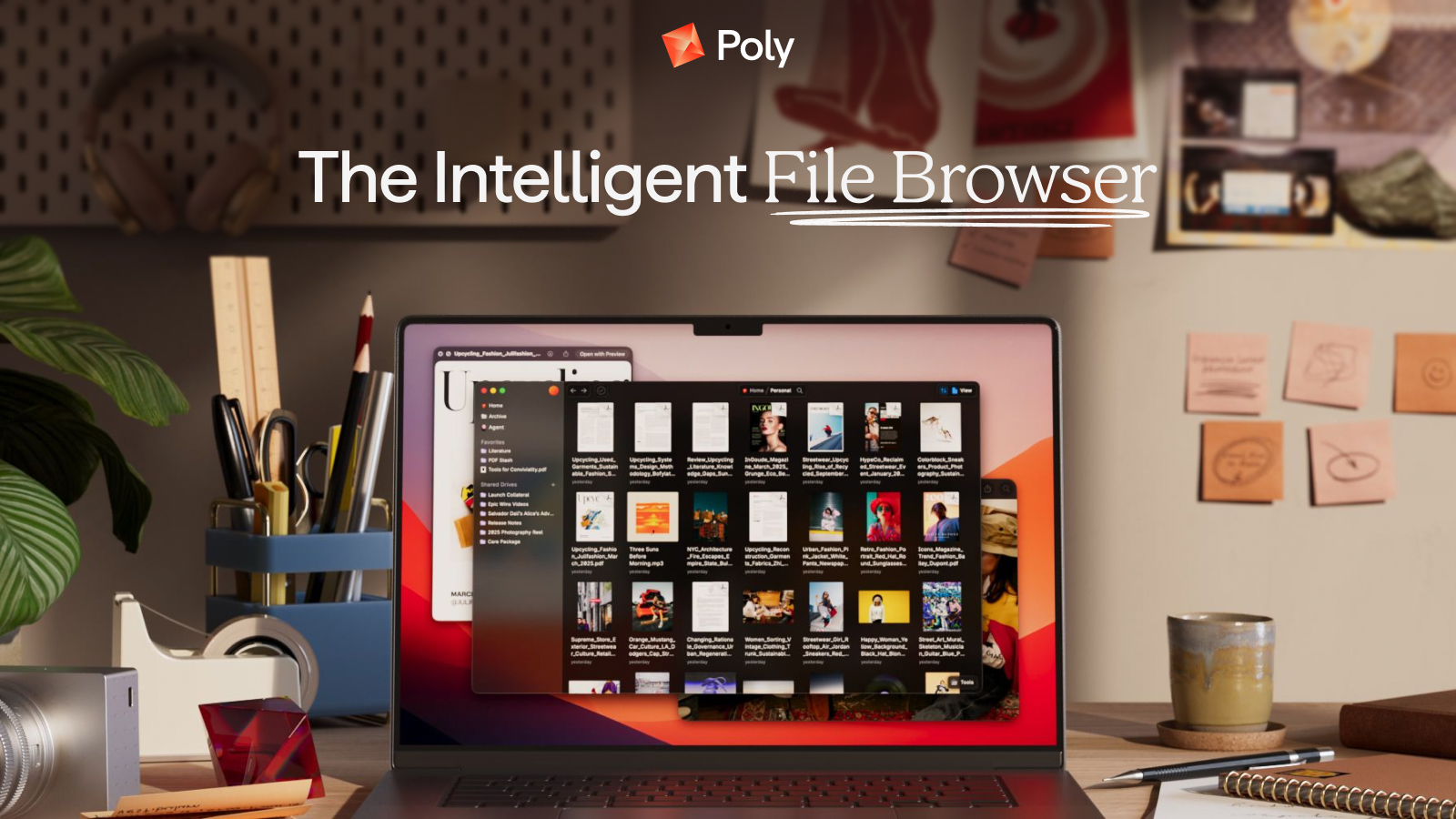
Poly: The Intelligent Cloud File Browser
Poly is an intelligent file browser & cloud hosting service for your personal files and media, that lets you search in intuitive natural language, chat about your files with AI, and sync with your local file system. All with a platform that's privacy-first and secure. Available on web and desktop.
REA — Reverse Engineer Anything
Inspect apps, binaries and runtime behavior with your coding agent or terminal. REA connects local analysis tools through CLI and MCP.
Local-first software: You own your data, in spite of the cloud
A new generation of collaborative software that allows users to retain ownership of their data.
CIDs: What You Need to Know and Why, Part 2 - Nick's Blog
How ATProtocol uses Content Identifiers to create a versioned, verifiable, and portable data model.
