


archived 12 Mar 2026 21:01:45 UTC
Make ‘em dumb, sell ‘em smarts
Sam Altman wants intelligence to be a utility that you pay him for

Reply on Bluesky and Decentralization | bryan newbold (⛱️ sabbatical mode)
This is a reply to Christine Lemmer-Webber's thoughtful (and widely read) "How decentralized is Bluesky really?" blog post. I am so happy and grateful that Christine took the time to write up her thoughts and put them out in public. Her writing sheds light on substantive differences between protoco...
&handle=@bnewbold.net&avatar=https://cdn.bsky.app/img/avatar/plain/did:plc:44ybard66vv44zksje25o7dz/bafkreiglnysron3h2je7nf6cmvtimuaxi7xe2c7rkxitmks3mzmajnc2ou)
The marketplace of rationalizations
Recent work in economics has rediscovered the importance of belief-based utility for understanding human behaviour. Belief ‘choice’ is subject to an important constraint, however: people can only bring themselves to believe things for which they can find rationalizations. When preferences for similar beliefs are widespread, this constraint generates rationalization markets, social structures in which agents compete to produce rationalizations in exchange for money and social rewards. I explore the nature of such markets, I draw on political media to illustrate their characteristics and behaviour, and I highlight their implications for understanding motivated cognition and misinformation.

How to fight hate: New Humanist’s Autumn 2026 issue is out now
With race riots on the rise and the populist right gaining traction, we ask how the UK can push back

Money for mutual resilience: Introducing Blacksky Cash
Mutual aid has always been about more than money. But money, shared intentionally, can be a powerful expression of solidarity. This is us building toward that future.


Work is a cult, here's how to escape
People & Technology
To understand AI’s effect on moral character, ethicist Kwame Anthony Appiah goes back to John Stuart Mill, and the idea that people are shaped by their choices.
Rethinking Bluesky's "Decentralization": An Assessment as of January 2026 - Nightflight
January 19, 2026
Anarchy and modern convenience
A major part of anarchy and socialism is the concept of anti-work. An obsession with work is a colonial, patriarchal, and capitalist construct. As such, the anti-work movement—a focus on working less overall and sharing labor more equally—is an important part of decolonization, feminism, and anti-capitalism. A common criticism of this is that reducing the amount everyone works to something like 20 hours a week instead of 40+ means we would have to give up a lot of conveniences.

OpenAI ‘in early talks to give 5% stake to US government’
CEO Sam Altman argued move would share benefits of AI and it would involve other firms doing similar, report says

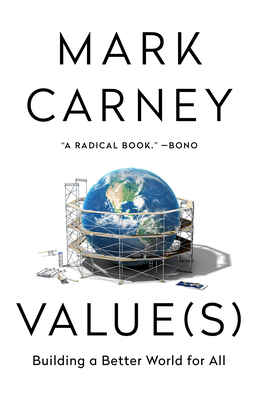
Value(s): building a better world for all
A bold, urgent argument on the misplacement of value in…
Unauthorized Bread: Real rebellions involve jailbreaking IoT toasters
Cory Doctorow's book, Radicalized, is up for a CBC award. To celebrate, here's an excerpt.

Belonging Is a Right, Not a Reward
CW: Ableism Disabled people have been made to prove their worth for too long. Society sees value in work, earnings, or productivity, and anyone who doesn’t meet these standards is expected to…

The thinking style that makes people vulnerable to extremism | Psyche Ideas
The people most drawn to ideological thinking and authoritarianism aren’t aware of what makes them so susceptible

Defending the Free Market: The Moral Case for a Free Ec…
Thirty years ago, the economic system of the Soviet emp…
