

Too many of us think it doesn’t matter when a platform like X/Twitter has a single, all-powerful owner. Most of our online worlds are simply run by what we hope are benevolent dictators. After all, we figure, if we don’t like what they’re doing or allowing, we can just leave, right? But in most cases we’re just jumping from one rich dude’s idea for how the world should be to another rich dude’s idea for how the world should be.
Governable Stacks against Digital Colonialism
Critics have been converging around the logic of colonialism to describe the Internet economy. If we are serious about the laden language of the colonial, we should be ready to learn from struggles against pre-digital empires and colonial regimes. Although acts of insurrection may attract more attention, one thing leaders and theorists of anticolonial resistance have stressed persistently is the centrality of self-governance in everyday life as both a means and end of their movements. But the dominant platforms for online communities are not well-suited for durable self-governing. Resistance often relies on the same colonial firms it opposes. What would community-governed technologies look like? This paper introduces the concept of “governable stacks”, a framework for self-governing as resistance to digital colonialism.
🔭🖤🚀 Social media’s next evolution: decentralized, open-source, and scalable
How Blacksky grew to millions of users without spending a dollar
Implicit Feudalism: Why Online Communities Still Haven’t Caught Up with My Mother’s Garden Club
Alongside whatever else mothers and sons talk about, I have begun receiving regular updates on the governance of my mother’s neighborhood garden club. They make me jealous.

W-Social: What does sovereignty mean for social media? – Open Future
The European Commission’s move to W-Social frames it as a European alternative to X, but its closed-source code and reliance on Bluesky’s infrastructure show that sovereign social media requires open infrastructure—not European ownership alone.
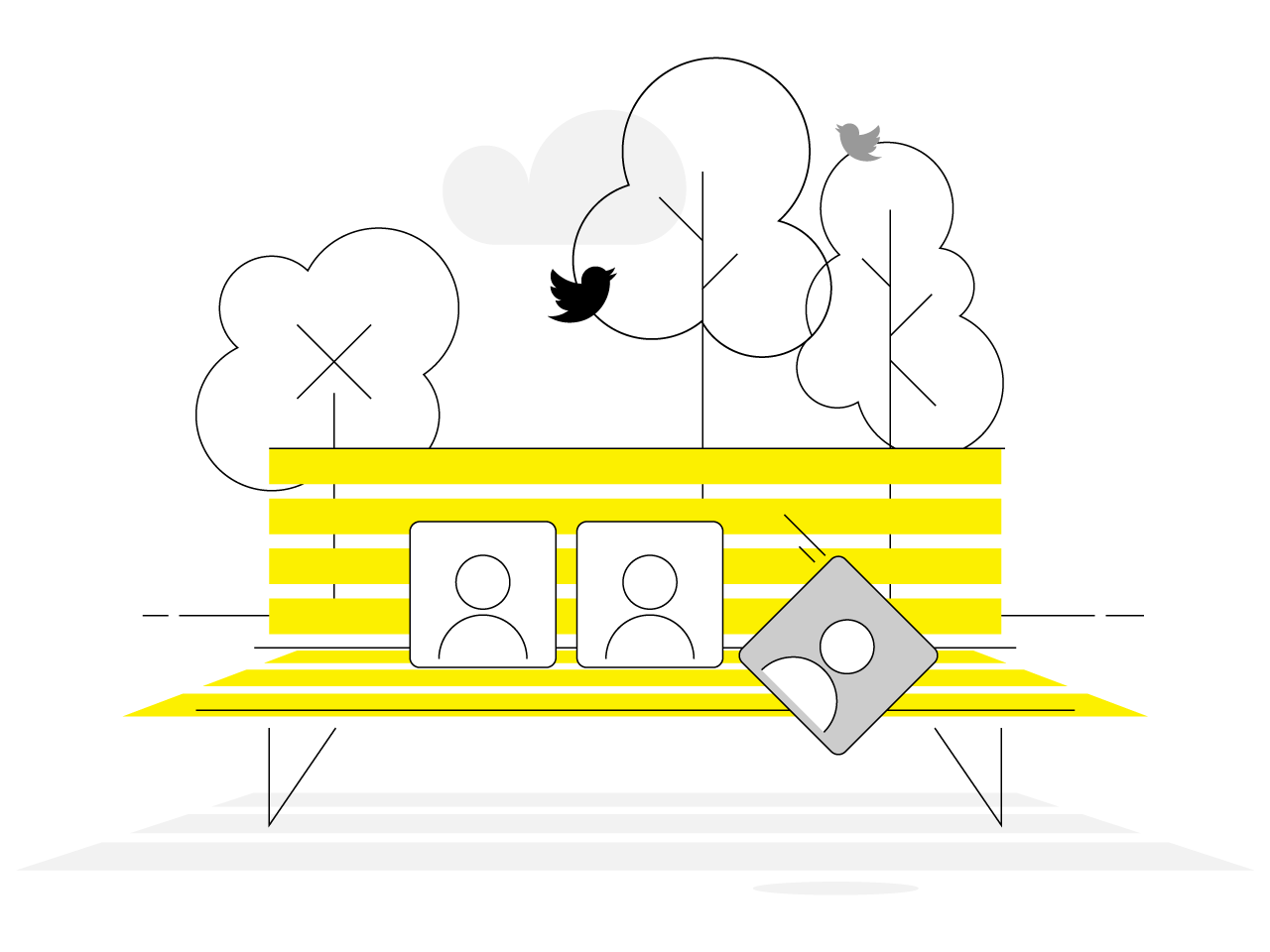
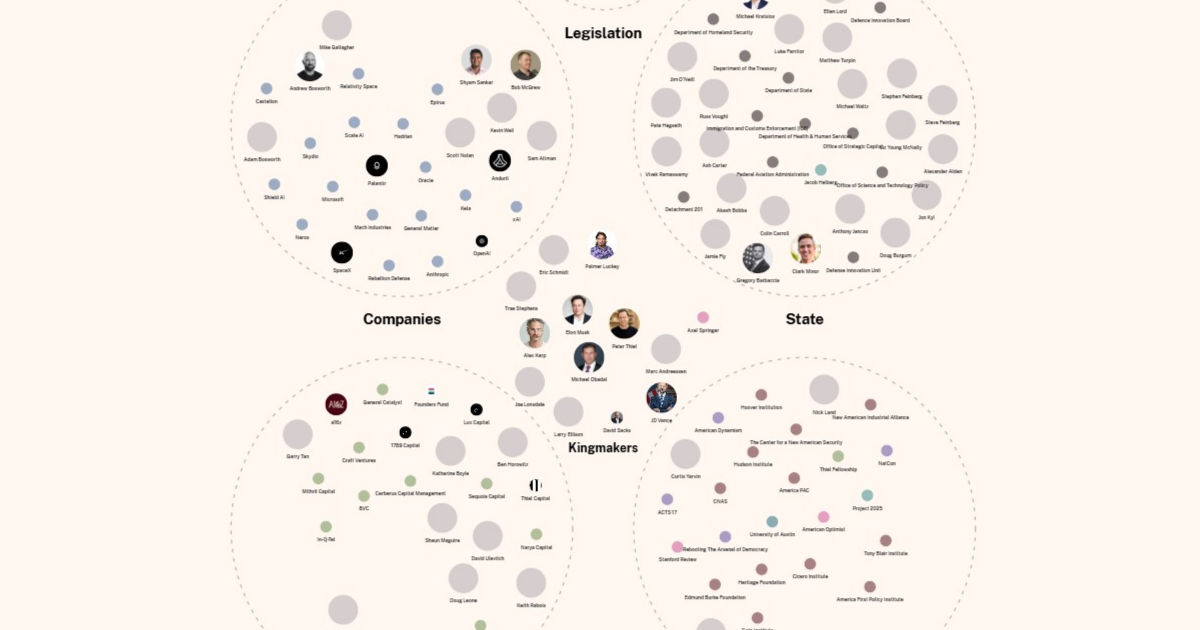
The Authoritarian Stack
How Tech Billionaires Are Building a Post-Democratic America — And Why Europe Is Next
Blacksky
Decentralized social media built for community power, culture, and collective freedom.

Overview
What is Blacksky? Blacksky Algorithms is building the future of self-governable online communities with tools that make complex infrastructure simple to deploy. Most social platforms control what users see, how communities operate, and who gets to feel safe online. Blacksky changes that by providing one-click infrastructure for independent, self-governed digital spaces. Our platform lets communities […]
The Internet Transition
The Internet is allowing us to build a richer, more complex society but the way in which we Internet today is failing to support the governance systems that a more complex world requires. I take a look at why these issues are related, try to develop an intuition for a way forward, and point at the emerging field that is coming together to build that future.

Transforming Social Media Governance With Applied Theories of Justice – lindsay blackwell
This dissertation explores ways in which social media governance can be improved through the practical application of theories and principles of justice. Three empirical research studies demonstrate that current platform governance practices exacerbate the very harms they seek to mitigate, due in large part to the influence of punitive criminal justice models that are structurally incapable of producing equitable governance outcomes. Informed by transformative justice, social media governance can be reframed from a method for control to a practice of collective care, requiring a fundamental restructuring of the systems and logics that currently govern online spaces.
The future of social media is human
We cannot continue participating in social media platforms which do nothing to stop us being tricked by GenAI and the powerful people/governments that control them.

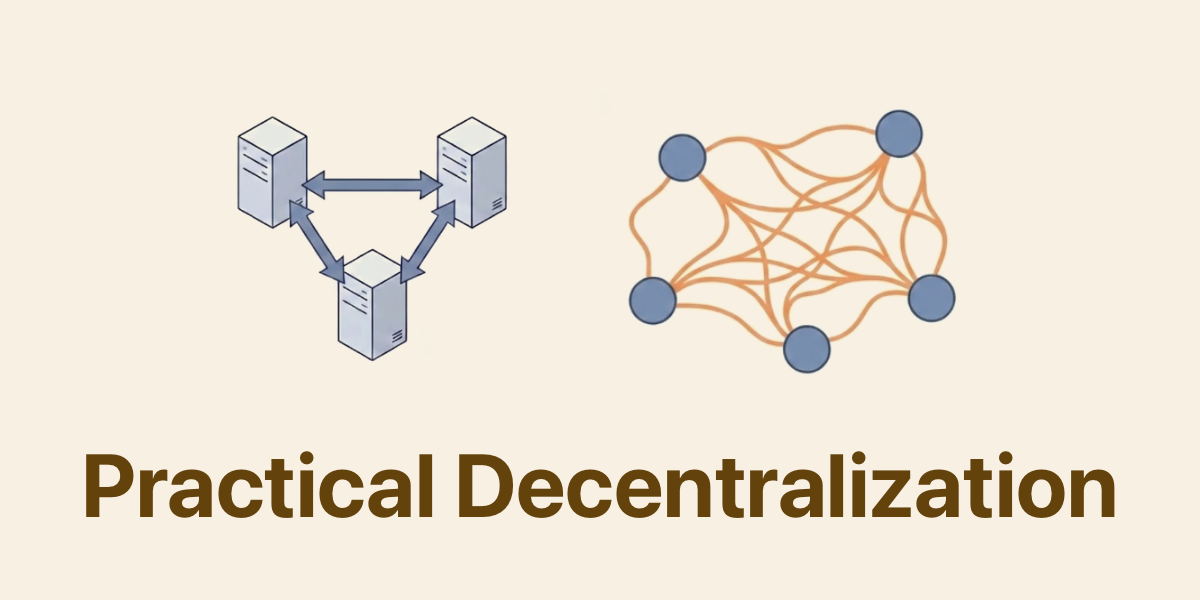
Practical Decentralization
The point of decentralization is to guarantee the rights of individuals and communities on the Internet. Pulling that off is a balancing act between practicality and ideology.
Web Browsers, AI, and the Politics of Media Power
The left keeps building media strategies on top of platforms built to undermine them. As browsers are rebuilt for mass surveillance and manipulation, the systems that decide what people see and who gets heard are being rewritten without us. Control over the browser is control over political reality.

The politics of decentralization and the libertarian allure of Mastodon – Structural Integrity
I am currently reading the fabulous “Hayek’s Bastards” by Quinn Slobodian. It made me think about decentralisation in Mastodon (yes, the federated social network). And it made me think about the lack of a coherent progressive vision for the digital age. I will explain what that book has to do with both. But let’s go back to the political meaning of “decentralisation” in digital discourse first.

Digital Sovereignty
Digital sovereignty has a bad reputation. In internet governance circles, sovereignty is considered awkward enough to be referred to by as the "s-word." It is often associated with misguided attempts at returning to the era of national champions, like building a French search engine or a European Google, or worse with the eternal boogeyman that is the "splinternet." It doesn't have to be this way!

R. S. Doiel, Software Engineer/Analyst — Robert's ramblings
Today the Web and Internet is owned and controlled by large for profit corporations and a few governments1. Corporate ownership combined with government policies has left us as tenant and product. It has given us a surveillance economy and enshittification2.