

One day in the mid-1920s, a Moscow newspaper reporter named Solomon Shereshevsky entered the laboratory of the psychologist Alexander Luria. Shereshevsky's boss at the newspaper had noticed that Shereshevsky never needed to take any notes, but somehow still remembered all he was told, and had suggested he get his memory checked by an expert.
People are not friction
The Gell-Mann Amnesia Effect of AI is a pretty well documented phenomenon: The Gell-Mann amnesia effect is a cognitive bias describing the tendency of individuals to critically assess media reports in a domain they are knowledgeable about, yet continue to trust reporting in other areas despite recognizing similar potential inaccuracies.
Agentics: Memorizing Session Transcripts Isn't Useful
Keep track of artifacts, not scratch. Alt title: Claude, please stop trying to memorize random crap
Child Prodigy Discovers Butterflies Remember Caterpillar Life, And Pass Down Memories To Offspring
Jo Nagai conducted an experiment on butterflies that would surprise scientists around the world. Are memories passed down?

The wandering mind: A gift we squander - Darius Foroux
Most people treat a wandering mind like a defect. They see it as a leak in their productivity bucket. We’ve been conditioned to believe that if we aren’t staring at a screen or checking off a to-do list, we are failing. But Daniel Goleman, the […]

Phantom Fluency
Why listening to smart people doesn't make you more thoughtful. You're not bad at remembering podcasts. Podcasts are bad at being remembered.
Mystified magicians of the mind
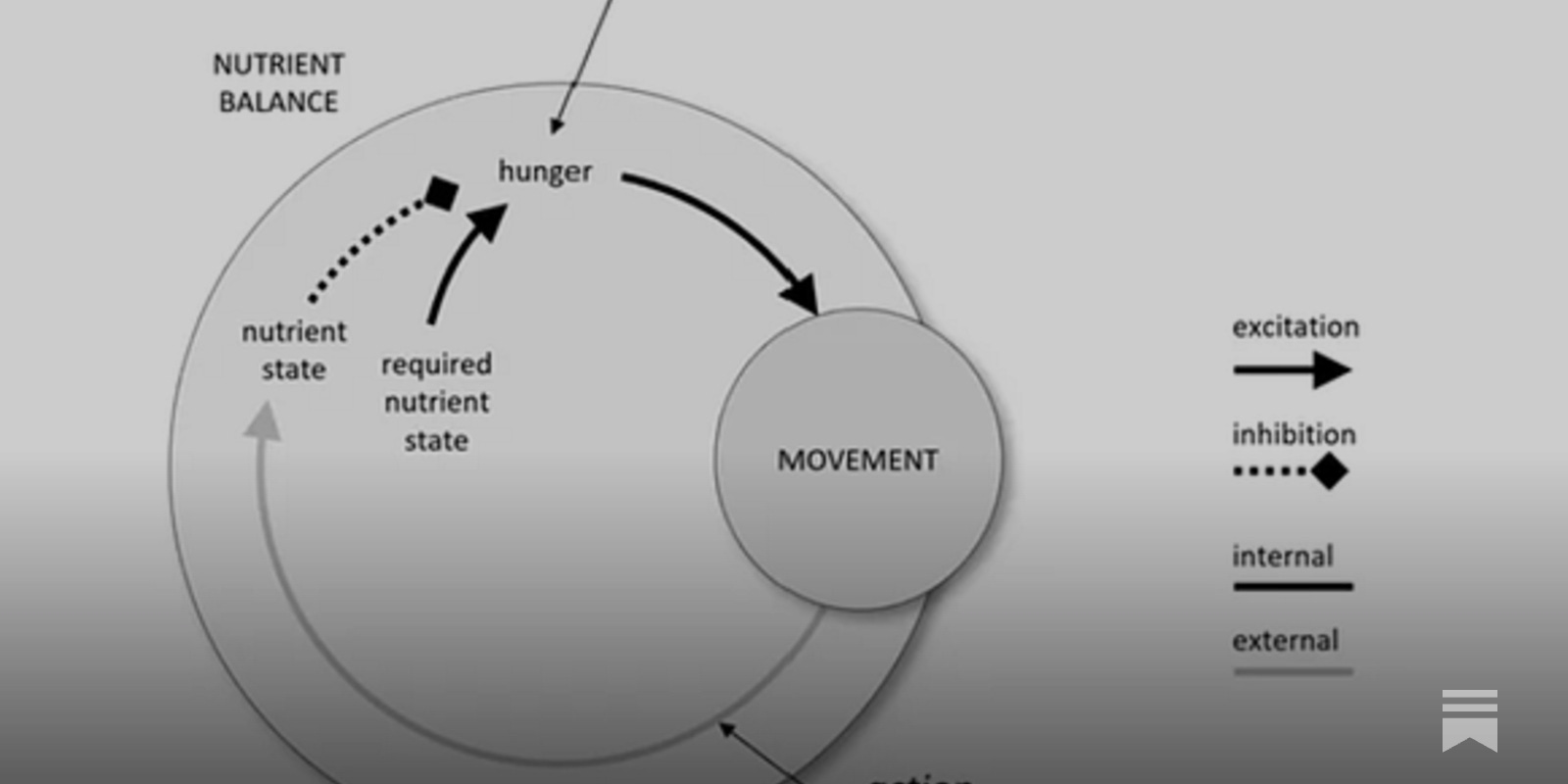
My conversation with neuroscientist Paul Cisek
I'm becoming AI-blind - Rafal Cymerys
Recently I've been catching myself having these little moments at work, when I'm trying to read a document someone has sent me and my brain somehow refuses to analyze it. It feels like I'm reading it, but I'm unable to focus on its content. I sat down to analyze these situations and realized they all have a common denominator: the documents all show a strong trace to AI. My brain learned to quickly spot signs of AI-generated content, at least the low effort one, and it now ignores it and moves on without thinking much about it.
Note-Taking and Personal Knowledge Management — Unattributed
Bridge heading into the smokey landscape. License: CC-0 I read Brennan Kenneth Brown's What have note-taking PKMs accomplished, really?...

Rotating the Space: On LLMs as a Medium for Thought
An essay on LLMs as a cognitive medium
Strix the Stateful Agent
Meet Strix. I built Strix initially just as a hack project, but it’s become a tremendous help. But also, it’s gotten a little weird at times. Strix is a stateful agent. An AI that remembers long after the conversation is finished.

Simplifying Zettelkasten by working out loud
What did I learn about learning as I used Zettelkasten idea and knowledge management to write five newsletters about disinformation in…

Curtis Yarvin: An Extremist Walks into a Sauna
Curtis Yarvin is the court philosopher for the reactionary right in the US. He recently met with leading intellectuals at a luxury hotel in the Alps. How did he fare?

Personal Knowledge : Towards a Post-Critical Philosophy
This study, first published in 1958, offers Michael Pol…

The revolt of the reader | The Observation Deck
Reading is important to me. While I’m not a quick reader nor an especially voracious one, I have found that long-form reading has had a profound influence on me over my life. And because reading is important to me, writing is too: writing not only allows us to convey our ideas, but the very act forces us to test and distill them — at once making our ideas more robust while providing the vehicle by which to share them.