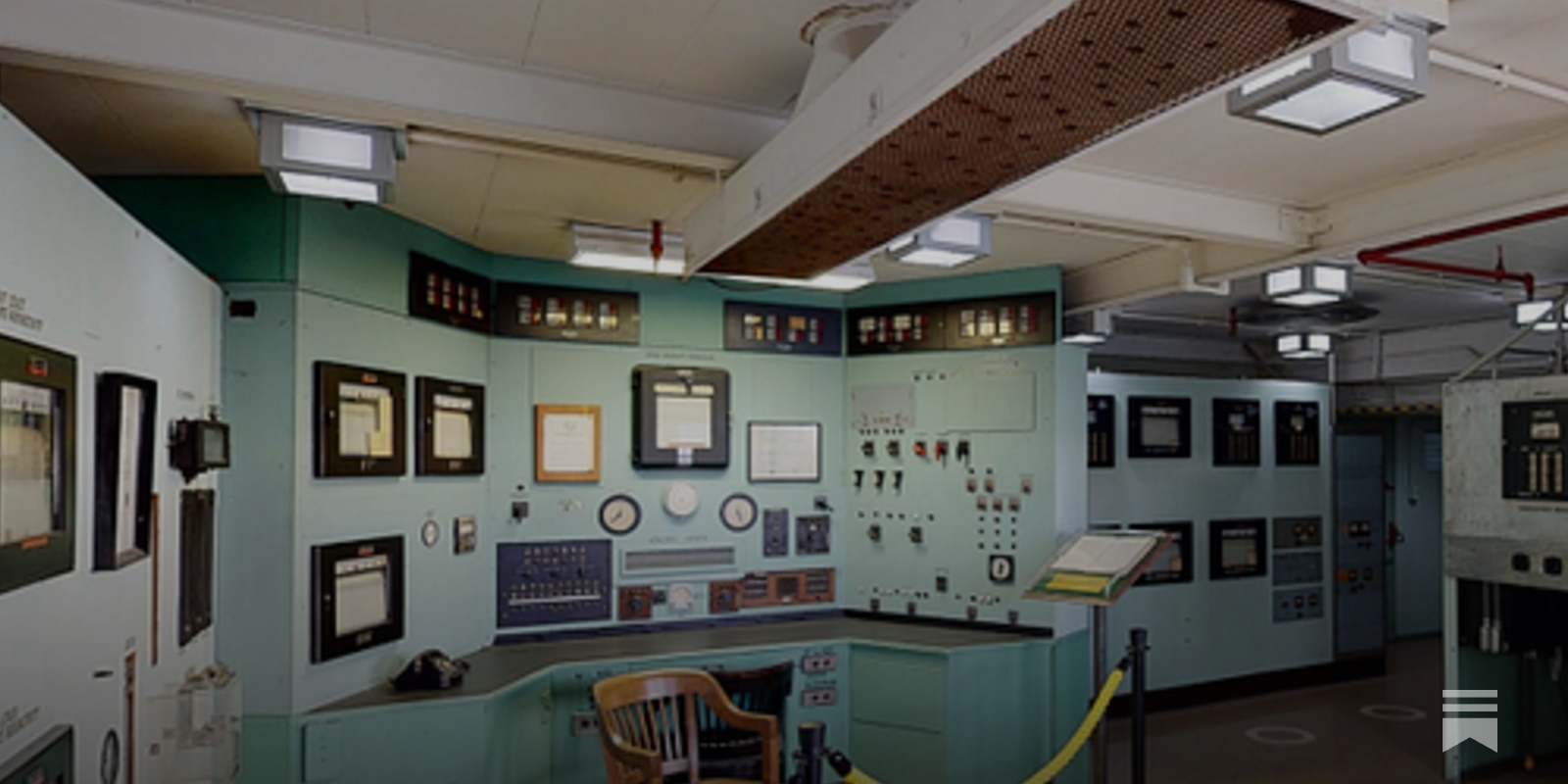
The Color Theory Behind Industrial Seafoam Green
Mildliner Colour Reference
A guide to all the Mildliner colours, types, and sets


Accessible Color Choices Are About So Much More Than Just Contrast - Sheri Byrne-Haber's Blog
Learn more about disability and accessibility in the business and educational settings from the expert in the field - Sheri Byrne Haber.
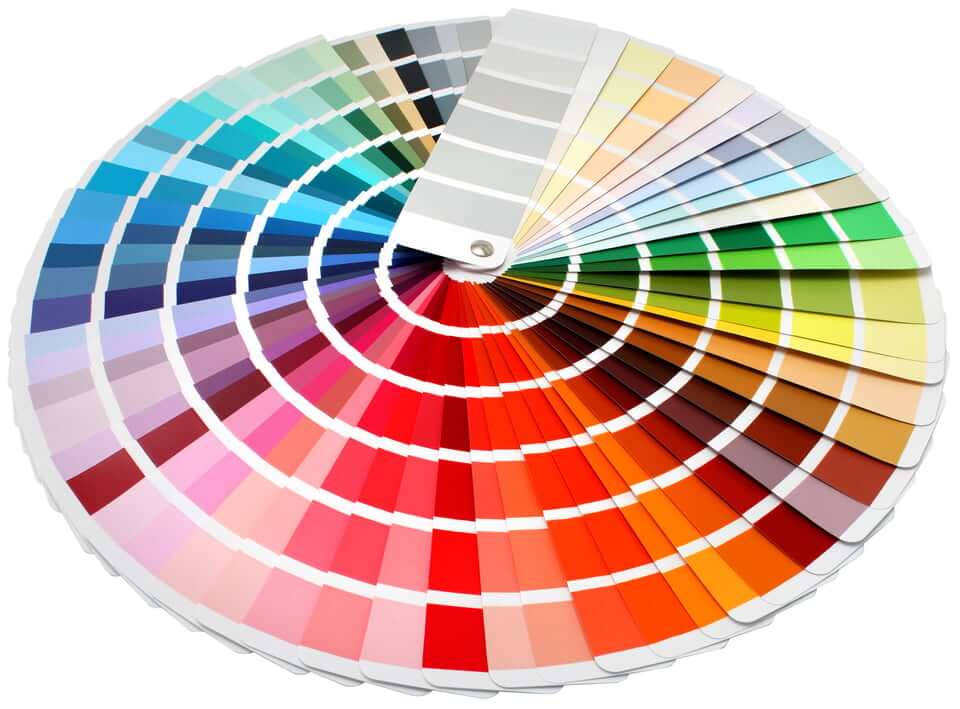

Flat UI Colors 2 - 14 Color Palettes, 280 colors 🎨
280 handpicked colors ready for COPY & PASTE

GreenGale - Atmospheric Blogging
A Markdown blogging platform built on AT Protocol. Write and share blog posts with the Bluesky ecosystem.

The Great Season — 13FOREST Gallery
On Friday, January 24, 13FOREST Gallery will open The Great Season, an exhibition of new and recent acrylic work by painter Nicole Duennebier. Dark and sumptuous, The Great Season highlights a fantastical six-panel painting that associates the random beauty of nature with an elaborate 19th-century parlor game. Set against black backgrounds, Duennebier’s complex forms strongly refer to Baroque still-life paintings in which fruits and vegetables simultaneously emerge and pass into different stages of maturity. A key difference in Duennebier’s work is that, rather than render images of everyday objects, she bases them on her fascination with biology, particularly bacteria, fungi and other objects hidden from view. Referring to her use of darkness, the artist states that her inky backgrounds are “like a primordial soup, a pool of black that springs forth a decadent and sometimes horrible growth.” Each of the paintings in the show is associated with lush proliferation. In Bright Beast After Nature, for instance, a black background gives rise to a nebula of unfolding, biomorphic forms that seem to divide and overtake one another. Painted in thin, translucent layers, the work suggests a still life captured in only one of many stages it will eventually pass through. With Bright Beast Dissected View Duennebier gives an equally fantastic image of the engine behind such proliferation. Similar to vivisections seen in science textbooks, the painting shows the surface of a soft, woolly plant and the interior, biological source of its existence. In content the “engine” plays with the idea of a still life, but one made of flowers, vegetables and animal viscera. Duennebier’s centerpiece in The Great Season is a vast, six-panel painting titled, Hydnellum Myriorama. Its title refers to a type of fungus found in nature and to a Victorian card game – myriorama – in which children could arrange a series of illustrated cards to form hundreds of different landscapes. In Duennebier’s six panels are hybrid images that resemble Baroque still lifes, coral, fur, crystals and close-ups of microscopic fauna. Each of the forms emerges from nothing and stands bathed in a common light source. Despite the panels’ differing environments, Duennebier negates their importance by enabling viewers to arrange the panels into aesthetic experiences of their own choice. With Hydenellum Myriorama, the random potential of generation and decline in nature is given its parallel in art. Of her own work Duennebier states: “My interests in natural phenomenon (dermoid cysts, fungus, invasive flora/fauna) and my love of candied Old Master opulence always seem to be present in my painting… Painting with attention to detail, I’ve become accustomed to the fact that nature in itself, or anything living really, never totally allows you to have a perfectly idealized experience. Everything is always spewing, dripping, rotting a little.”

Where to Find the Colors Your Screen Can’t Show You
An atlas of the vibrance of the real world

The Global Village Coffeehouse Aesthetic | Are.na Editorial
Woodcuts, tribal imagery, suns, curvy figures, aroma swirls, and earth tones: Evan Collins defines the look of the 90s
Studying the "Air" of Bluesky: Proposing a New Research Field Called Network Perception in ATmosphere - Nightflight
What Is Bluesky?—A Landscape Revealed by the Diffusion Experiment - Nightflight
Chinese room
The Chinese room argument holds that a computer executing a program cannot have a mind, understanding, or consciousness, regardless of how intelligently or human-like the program may make the computer behave. The argument was presented in a 1980 paper by the American philosopher John Searle, entitled "Minds, Brains, and Programs" and published in the journal Behavioral and Brain Sciences.[1] Similar arguments had been made previously by others, including Gottfried Wilhelm Leibniz, Peter Winch, and Anatoly Dneprov. Searle's version has been widely discussed in the years since.[2] The centerpiece of Searle's argument is a thought experiment known as the "Chinese room".[3]
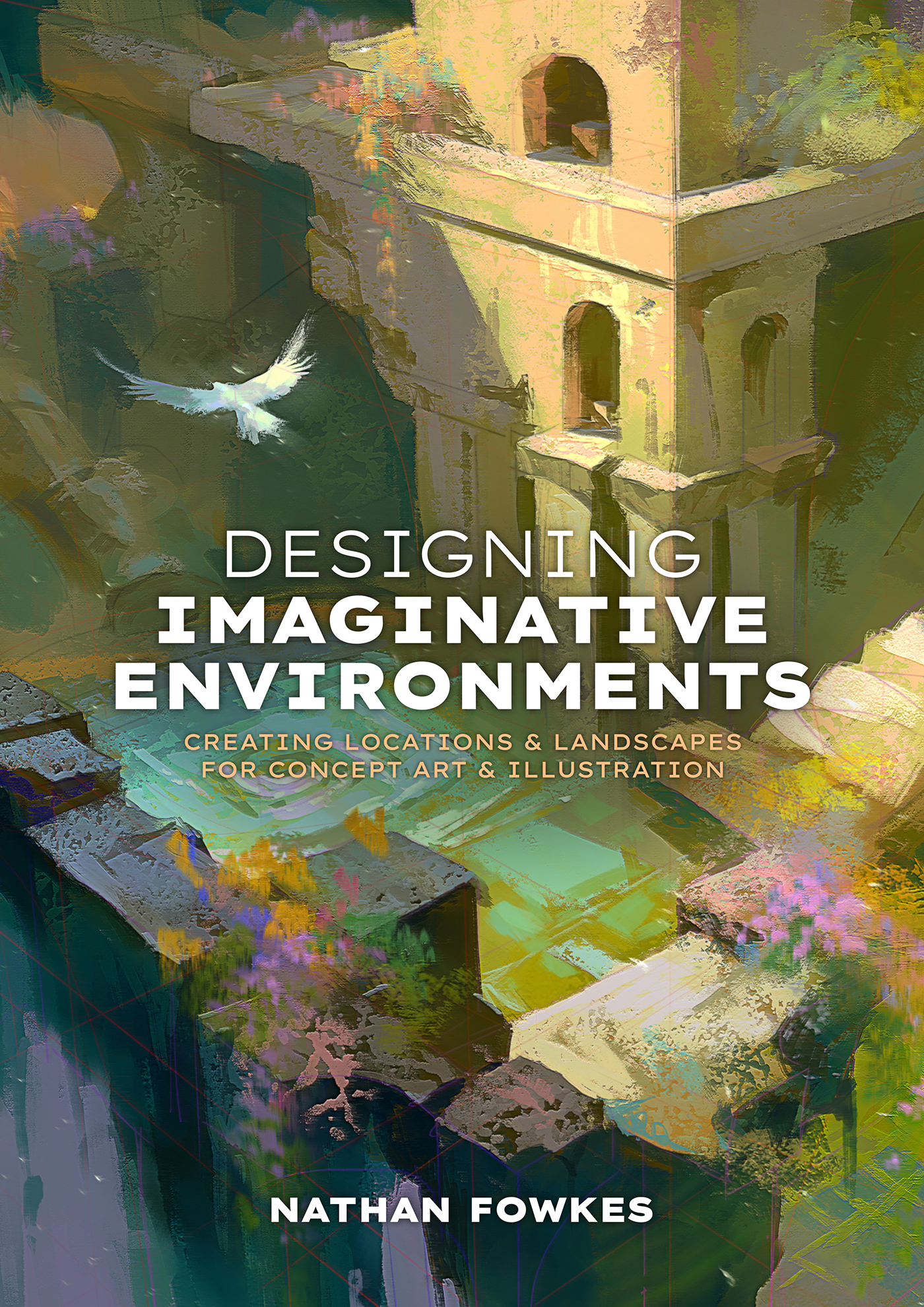
Designing Imaginative Environments by Nathan Fowkes
Join industry veteran Nathan Fowkes on a deep dive into the hows and whys of designing environments for entertainment. From creating mood with color and light, to exploring different biomes and weather, to crafting architecture and props, he will teach you how to design amazing environments that make your work stand out from the crowd.
OKpalette – Best in Class Color Extraction
OKpalette is a perceptual color extraction tool that generates beautiful color palettes from images using advanced color space analysis.
Explore the ATmosphere — internect.info
Find technical information about a Bluesky account from its handle or DID.

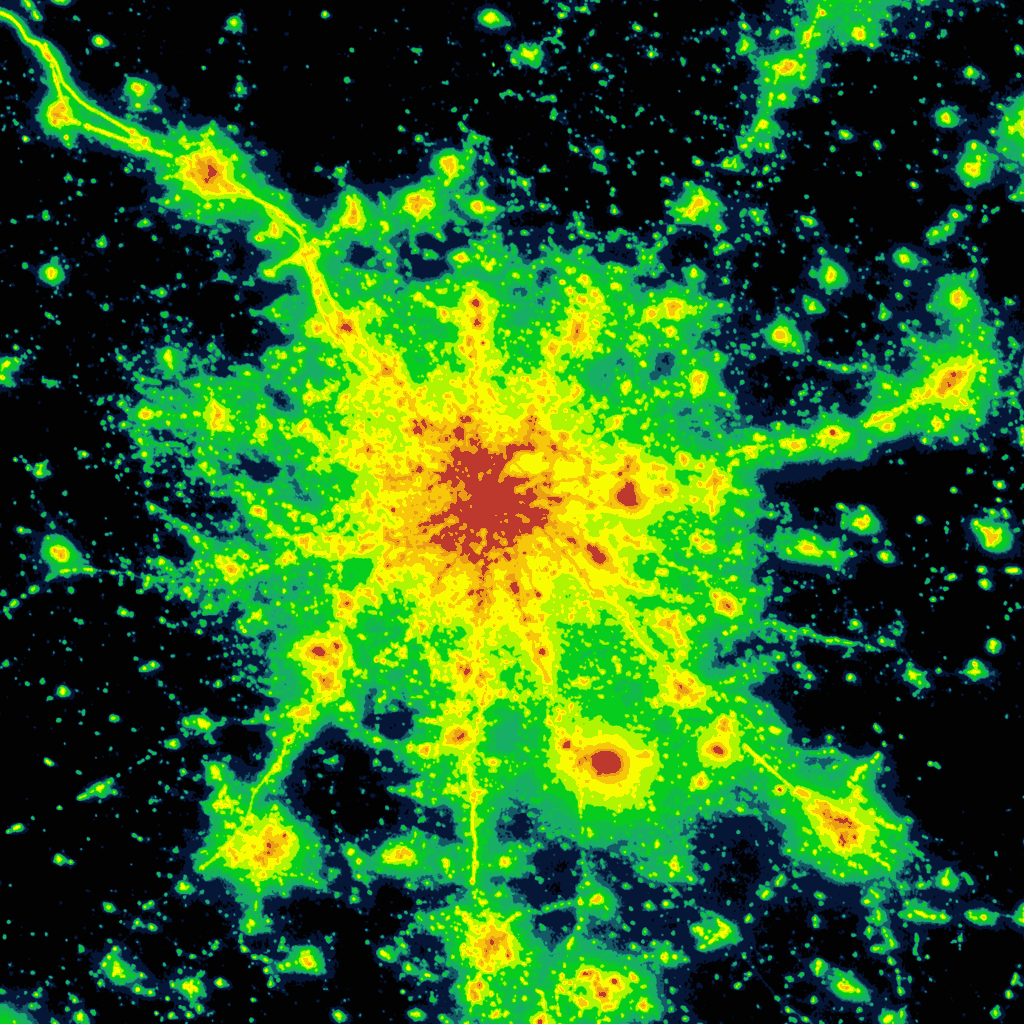
Light Pollution Map
Interactive world light pollution map. The map uses NASA Black marble VIIRS, Sky brightness, Aurora prediction, observatories, clouds and SQM/SQC overlay contributed by users.