

I was incredulous when I read this observation from Reginald Braithwaite: Like me, the author is having trouble with the fact that 199 out of 200 applicants for every programming job can’t write code at all. I repeat: they can’t write any code whatsoever. The author he’s
Engineers do get promoted for writing simple code
It’s a popular joke among software engineers that writing overcomplicated, unmaintainable code is a pathway to job security. After all, if you’re the only person who can work on a system, they can’t fire you. There’s a related take that “nobody gets promoted for simplicity”: in other words, engineers who deliver overcomplicated crap will be promoted, because their work looks more impressive to non-technical managers.

Why AI hasn’t replaced software engineers, and won’t
Coding agents as normal technology
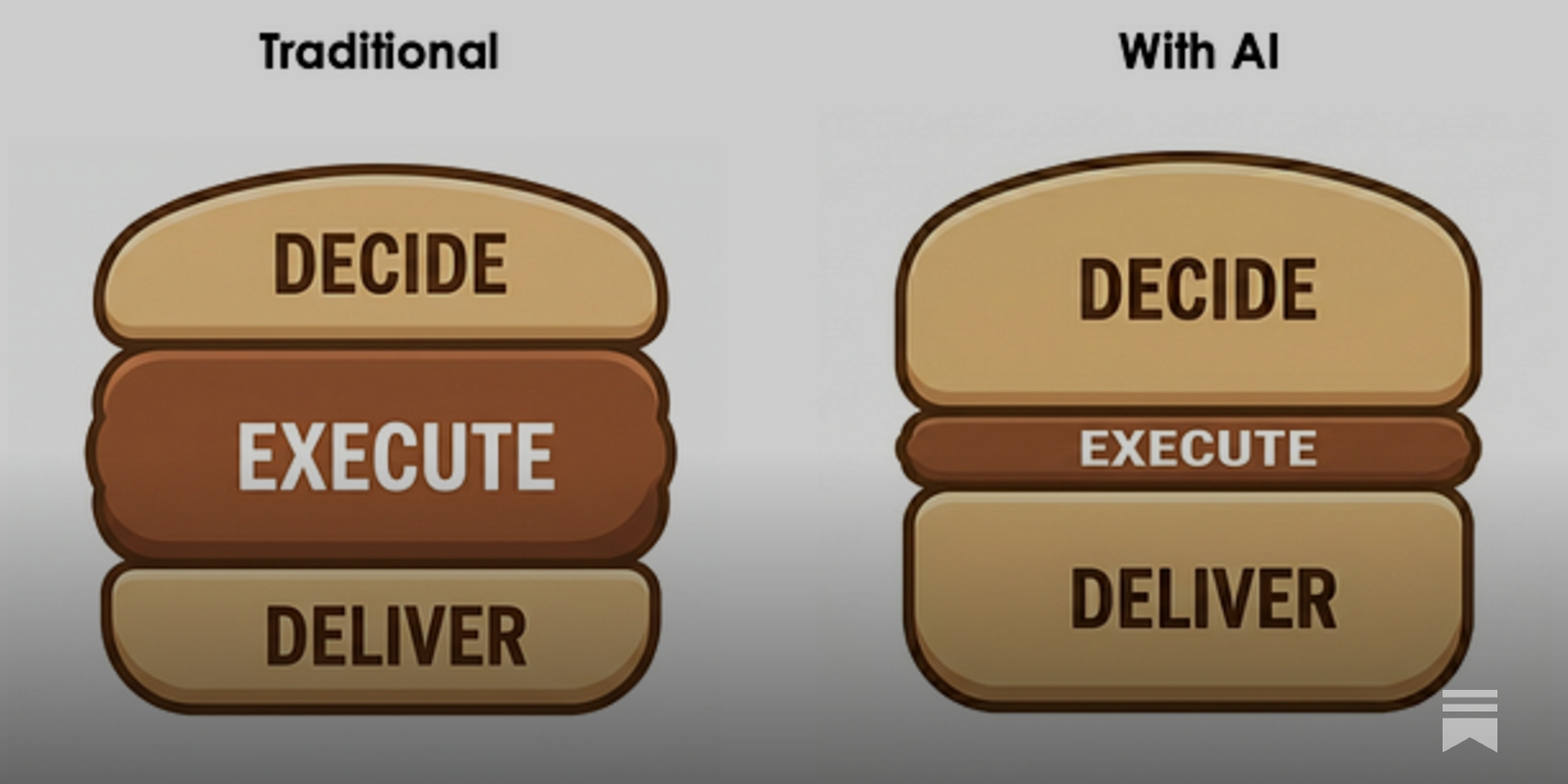
"Code was never the hard part" is an insult to all programmers — Senko Rašić
The software development profession is in the midst of upheaval. Nobody knows how the AI revolution will play out in the end, but it is c...

Coding After Coders: The End of Computer Programming as We Know It
In the era of A.I. agents, many Silicon Valley programmers are now barely programming. Instead, what they’re doing is deeply, deeply weird.

Teach Yourself Programming in Ten Years
The conclusion is that either people are in a big rush to learn about programming, or that programming is somehow fabulously easier to learn than anything else. Felleisen et al. give a nod to this trend in their book How to Design Programs, when they say "Bad programming is easy. Idiots can learn it in 21 days, even if they are dummies." The Abtruse Goose comic also had their take.
Note on 24th September 2026
The more time I spend working with coding agents, the more convinced I am that they make software engineering even harder. We can do amazing things with them, but unlocking …
Why AI hasn’t replaced software engineers, and won’t
Arvind Narayanan and Sayash Kappor take on the question of AI job losses through the lens of a profession that is uniquely suited to AI disruption - software engineering. In …
Why the fuss about conversational programming?
First, there isn’t much fuss … yet. But there will be.
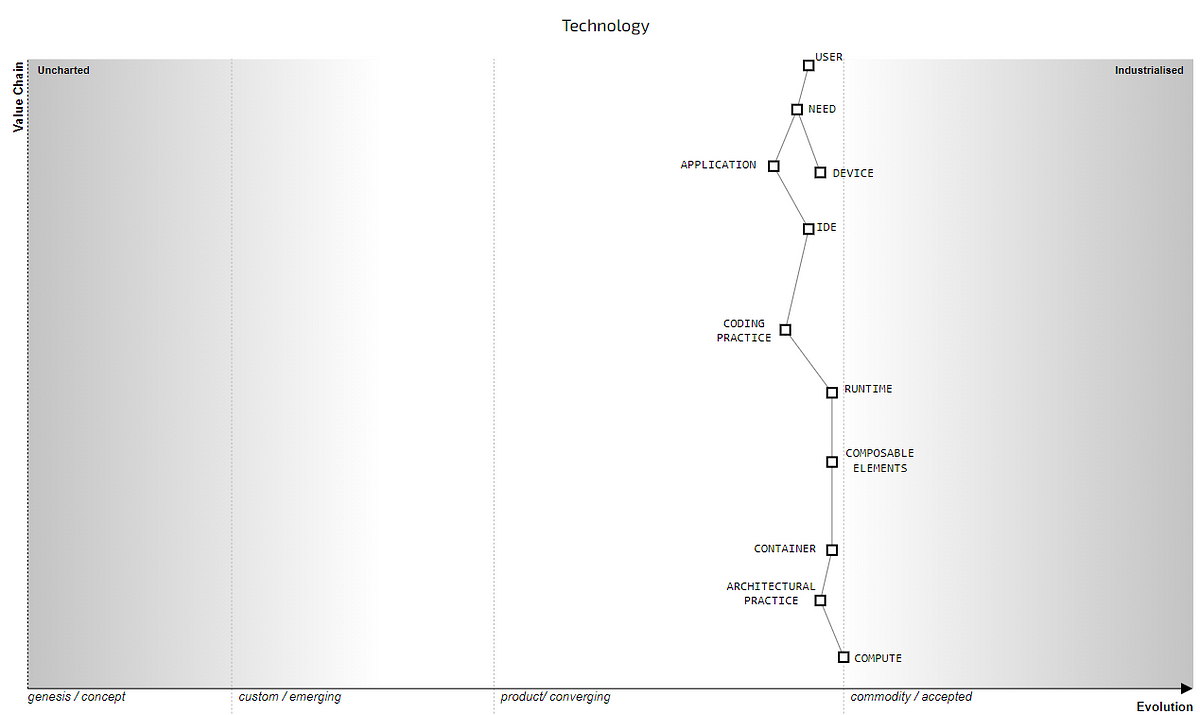
Programming (with AI agents) as theory building
Back in 1985, computer scientist Peter Naur wrote “Programming as Theory Building”. According to Naur - and I agree with him - the core output of software engineers is not the program itself, but the theory of how the program works. In other words, the knowledge inside the engineer’s mind is the primary artifact of engineering work, and the actual software is merely a by-product of that.
The peril of laziness lost | The Observation Deck
In his classic Programming Perl — affectionately known to a generation of technologists as "the Camel Book" — Larry Wall famously wrote of the three virtues of a programmer as laziness, impatience, and hubris: If we’re going to talk about good software design, we have to talk about Laziness, Impatience, and Hubris, the basis of good software design. We’ve all fallen into the trap of using cut-and-paste when we should have defined a higher-level abstraction, if only just a loop or subroutine. To be sure, some folks have gone to the opposite extreme of defining ever-growing mounds of higher level abstractions when they should have used cut-and-paste. Generally, though, most of us need to think about using more abstraction rather than less.

You can code only 4 hours per day. Here’s why.
Most of us have felt it: after a few solid hours of coding, your brain starts shutting down.
Boris Tane
Coding agents didn't make poor engineers dangerous. They made them unstoppable.
Write-Only Code | Heavybit
AI may be accelerating software into a world of "write-only" code that forces a rethink of culture, processes, and tools. Heavybit’s Joseph Ruscio explains.
</> htmx ~ Working With AI: A Concrete Example
In this essay, Carson Gross walks through a concrete bug fix in hyperscript to show where AI helped, where it fell short, and why keeping a knowledgeable human in the loop is what kept complexity in check.