

Writing about the big beautiful mess that is making things for the world wide web.
You Might Debate It — If You Could See It
Writing about the big beautiful mess that is making things for the world wide web.
How the Web Was Lost – James Gleick
This Is for Everyone: The Unfinished Story of the World Wide Webby Tim Berners-Lee with Stephen WittFarrar, Straus and Giroux, 389 pp., $30


A Website To End All Websites | Henry From Online
How to win the war for the soul of the internet, and build the Web We Want.
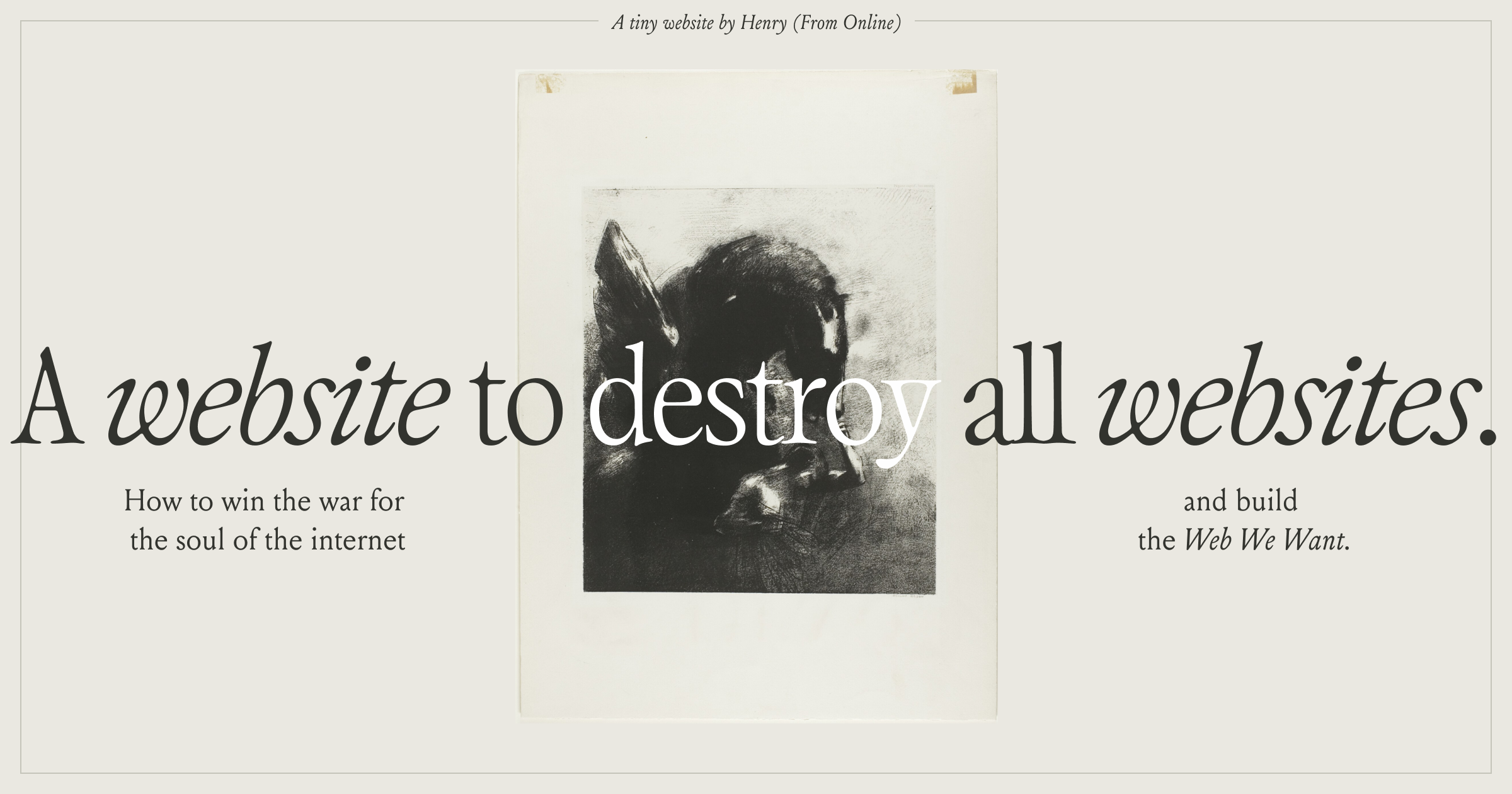
A Website To End All Websites | Henry From Online
How to win the war for the soul of the internet, and build the Web We Want.
How Markdown took over the world - Anil Dash
A blog about making culture. Since 1999.
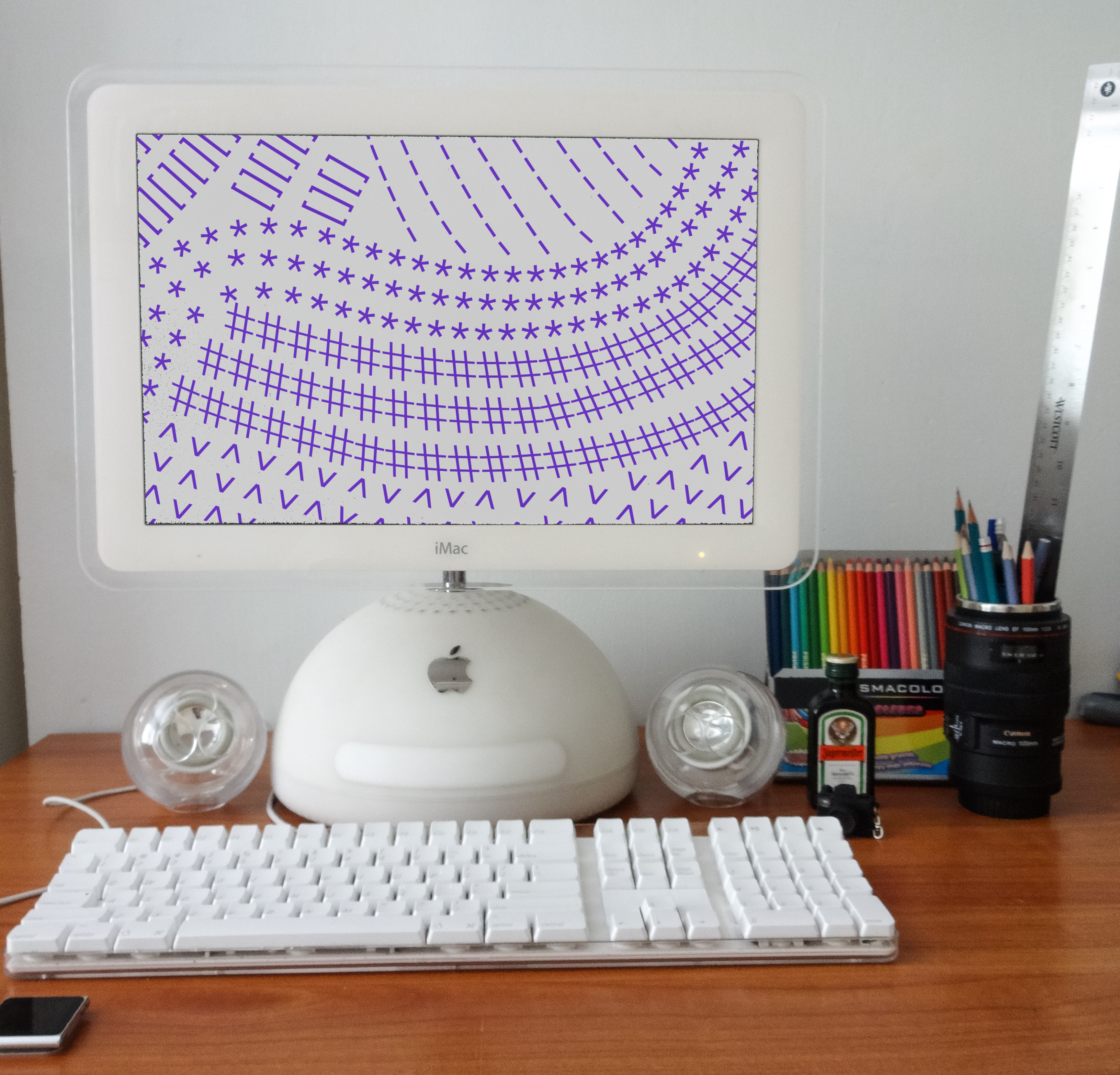
How the small web is creating an anti-slop internet
What is the small web? A new crop of platforms are answering algorithmic fatigue with a return to human-curated basics.

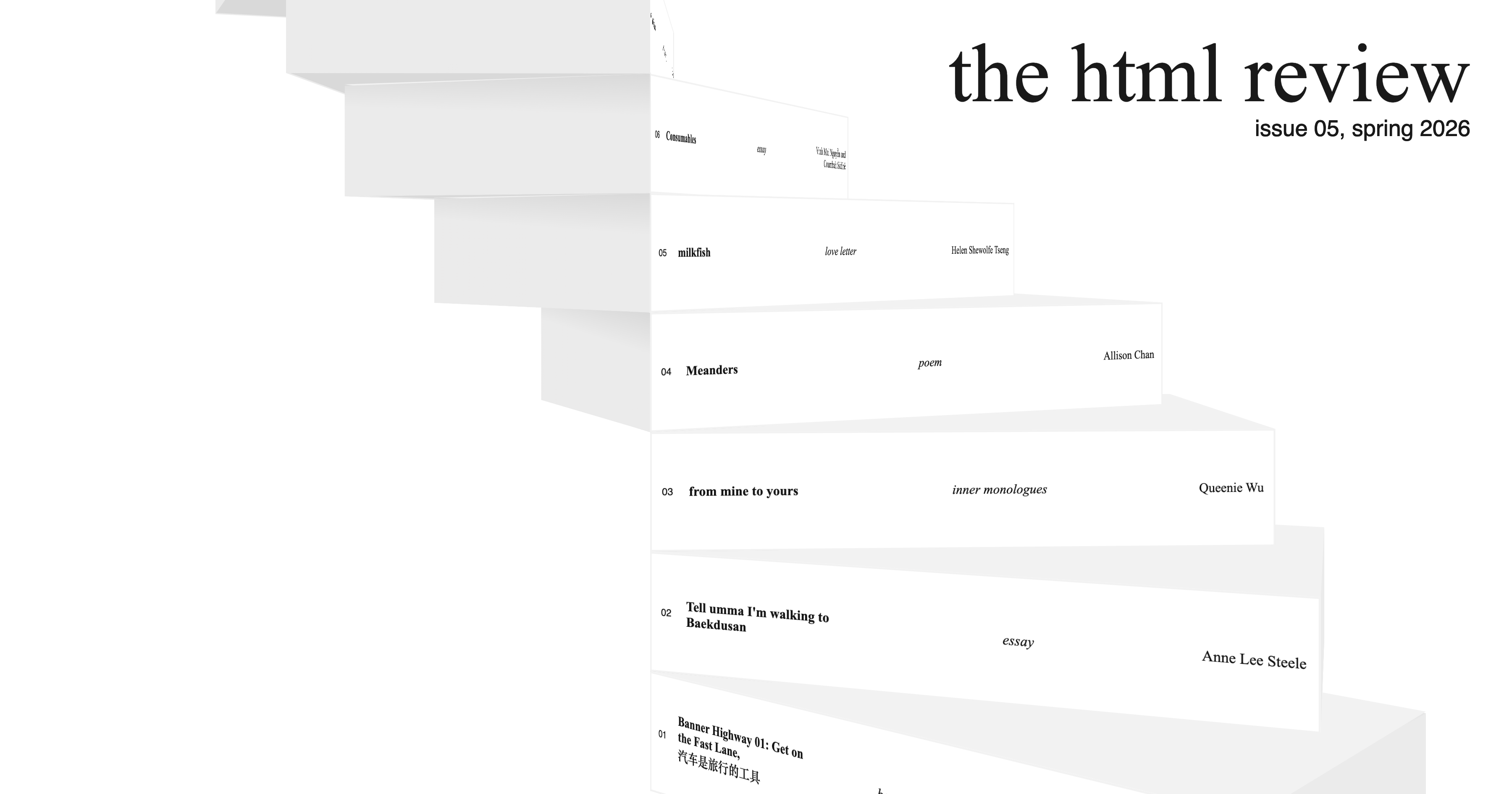
the html review 05
the html review is an annual journal of literature made to exist on the web
All you need is links
When Tim Berners Lee talks about how he designed the web, he uses an analogy from physics, describing his process as a quest to find “fundamental laws” which can generate a desired system:


Create web pages from Bluesky threads | skywriter.blue
Transform your Bluesky threads into readable, searchable web pages without losing social features.

Octothorpes: Jailbreaking hashtags to connect websites together
My friend Nik and I share a lot of interests, and we like to write about them on our own websites. We’d hang out and talk about printmaking or building websites or the complexity of planning creative work, only to discover later that one or both of us had

🎧 The Browser Company Is Building a Brand That Drives Viral Growth
Head of storytelling Nashilu Mouen-Makoua on how to tell memorable stories

Build the web you want to see
My website, James’ Coffee Blog, is now over five years old. I seldom thought about how old my website was until recently, when I looked and realised that years had passed since the single black-and-white HTML page that comprised my site. “Hyperlinks are my friend,” I said, in a playful tone whose message foreshadowed my deepening appreciation for the web and what the web could be. Five years on, I find myself as invigorated about the web as I was at the beginning. I started what would become James’ Coffee Blog interested in blogging, seeing a personal website as a way to share words on the web. Those words would help me nurture my passion for writing. My website could, I learned, be a place for me to grow and experiment as a writer. Having a website encouraged me to ask the question what could I write today? Whether or not I published what I wrote, I was writing. I was making something. I was proud. My passion for the web is fuelled not only by my own experiences writing, but by seeing what others make. Seeing others’ websites, I have asked myself questions like How did they make that?, spurring my interest in web design. Web design is a topic I would later find the motivation to study in greater depth. I have been delighted by stories that people have shared, eliciting reactions in me from I see myself in this to That was fascinating! Blog posts on personal websites have made me curious, they have made me feel seen, they have satisfied my interest in learning – they have opened up new worlds, from the technical to the poetic, from the introspective to the collaborative. When I was thinking what would be a good fit for The Good Internet Magazine – a publication whose very existence makes me excited about the future of the web – a question came to mind: “what have I learned over the years that a new web weaver would find interesting?” Here is my answer to that question.