

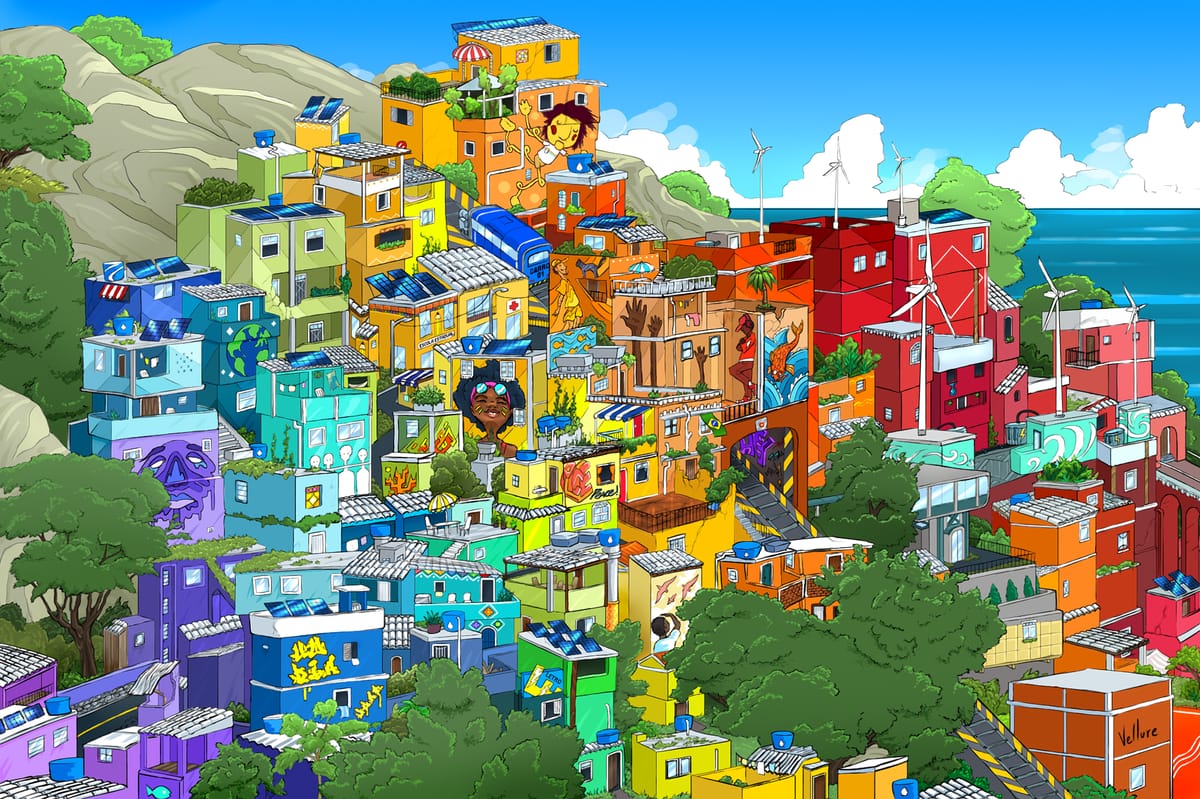
The end-of-the-world already happened, it's just not evenly distributed. But with every end is a new beginning.
Humanity’s Endgame
A new history of societal collapse by an expert in existential risk argues that our globalized society is edging toward the precipice.

The Gargantuan Lie That is Collapsing The World’s Climate
Thinking we have time left to address climate change, or that “Net Zero by 2050” will save us, is driving us toward full social collapse in ways that become more obvious with every new broken temperature record.
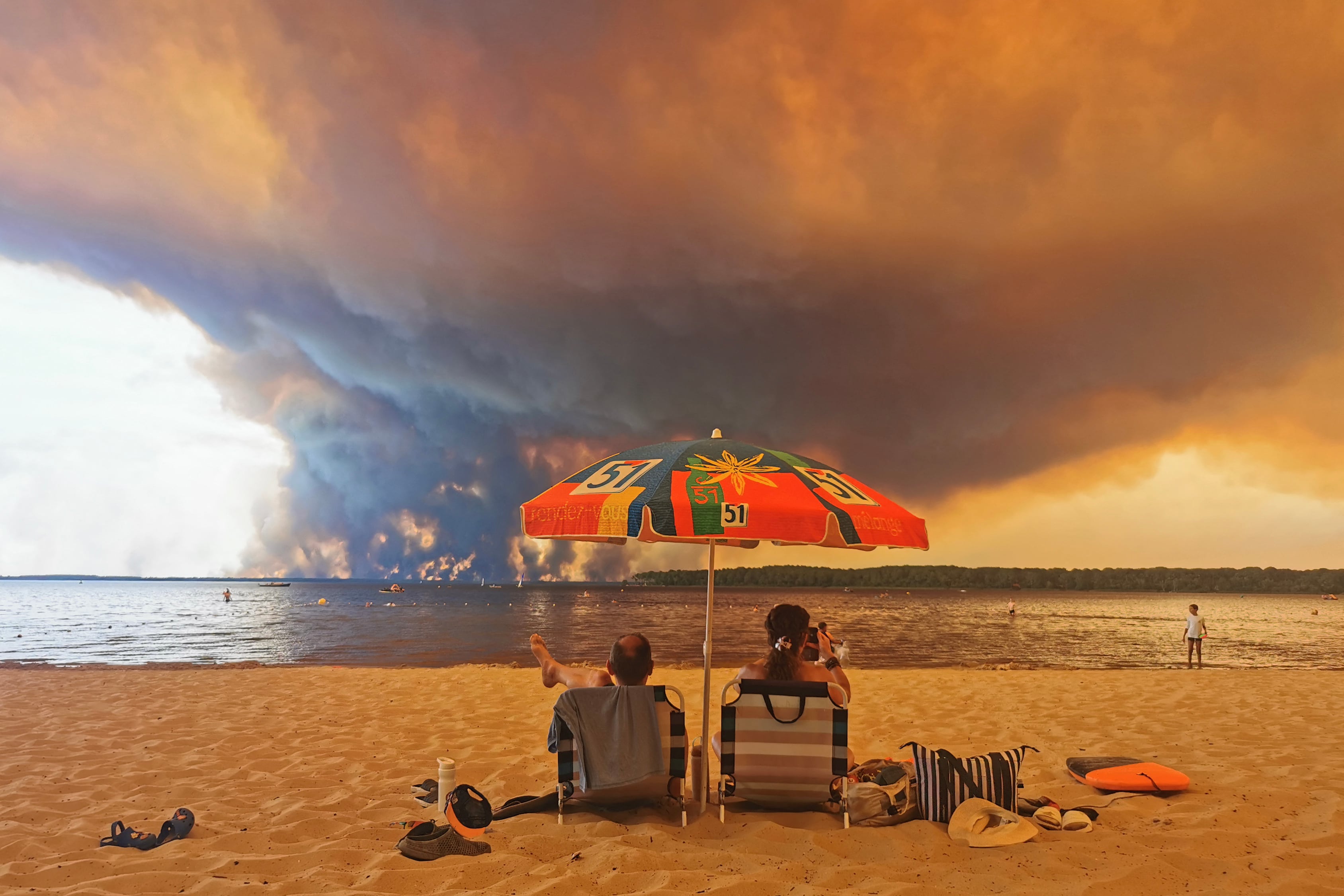
The Return of the Cutting-Off Way
Structural changes are driving us towards a more chaotic world, defined by "neither peace nor war, but conflict."

npmx: converging communities
The story of the many people and communities that converged to build npmx together

Crisis and Leviathan: Critical Episodes in the Growth o…
Few topics are as timely as the growth of government. T…

The Internet Transition
The Internet is allowing us to build a richer, more complex society but the way in which we Internet today is failing to support the governance systems that a more complex world requires. I take a look at why these issues are related, try to develop an intuition for a way forward, and point at the emerging field that is coming together to build that future.

How to grow tomorrows
What if schools were not just sites for delivering education, but societies in miniature? Thousands of chances to cultivate a better future

Amplifying climate resilience: The impact of social protection, social cohesion, and social capital on public support for climate change action
Traditional climate action strategies often overlook the critical role of social cohesion. This study explores how social protection programs and community unity can bolster climate resilience and ...

Anime’s growing commoditization could lead to a future where the medium itself no longer matters, Japanese critic warns - AUTOMATON WEST
A famous Japanese critic discusses whether the evolutionary path of anime ends with its full transformation into a commodity.

Why Crisis Resilience Depends on Epistemic Security
If we want to prevent tomorrow’s crises from spiraling out of control, we must recognize epistemic systems as critical infrastructure, writes Elizabeth Seger.

Disaster risk reduction
Disaster risk reduction aims to make disasters less likely to happen. The approach, also called DRR or disaster risk management, also aims to make disasters less damaging when they do occur. DRR aims to make communities stronger and better prepared to handle disasters. In technical terms, it aims to make them more resilient or less vulnerable. When DRR is successful, it makes communities less the vulnerable because it mitigates the effects of disasters. This means DRR can make risky events fewer and less severe. Climate change can increase climate hazards. So development efforts often consider DRR and climate change adaptation together.

Clan 2025 Wrap-Up: From Infrastructure to a New Computing Paradigm
A look back at what we built in 2025 and where Clan is heading next

Erik Brynjolfsson on Twitter / X
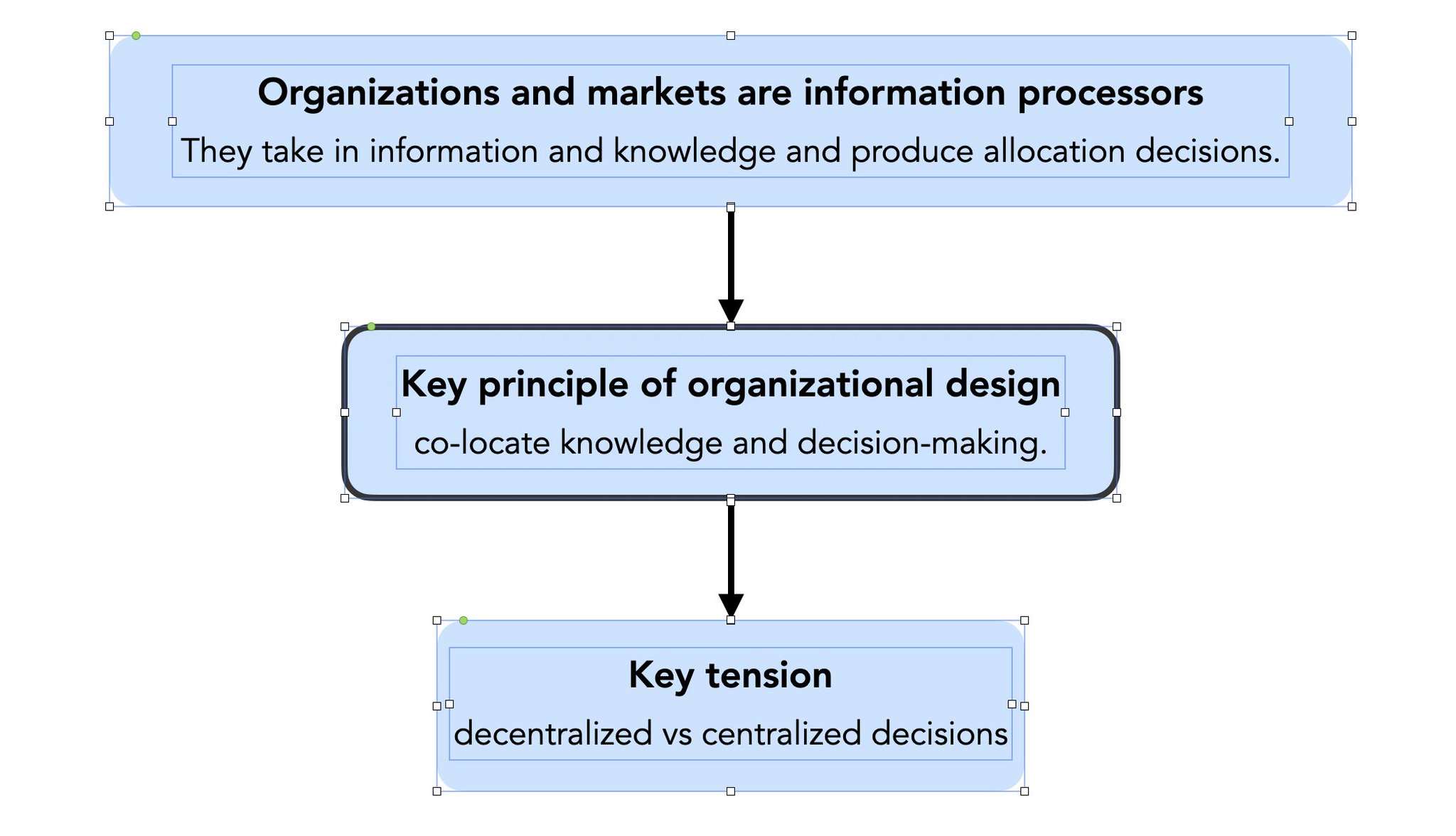
The @nytimes piece today by @ByrneEdsal13590 highlights a concern I share: “If we stay on the current path, the risk of extreme concentration — both economic and political — is very real.”In work with @zhitzig, we ask why AI may shift the balance between dispersed knowledge… pic.twitter.com/10vOTRj4Dq— Erik Brynjolfsson (@erikbryn) March 17, 2026
Europe 2031 — What getting AI wrong means for us
A five-year scenario about AI and Europe's impending slide into irrelevance, with a 2034 epilogue that describes how the collapse of the European model could have been prevented.
Climate Change: Global Crisis To Local Action By Kevin Anderson
The Once and Future Metaverse: Part Two
This is part two of a two-part article. Read part one here.
