

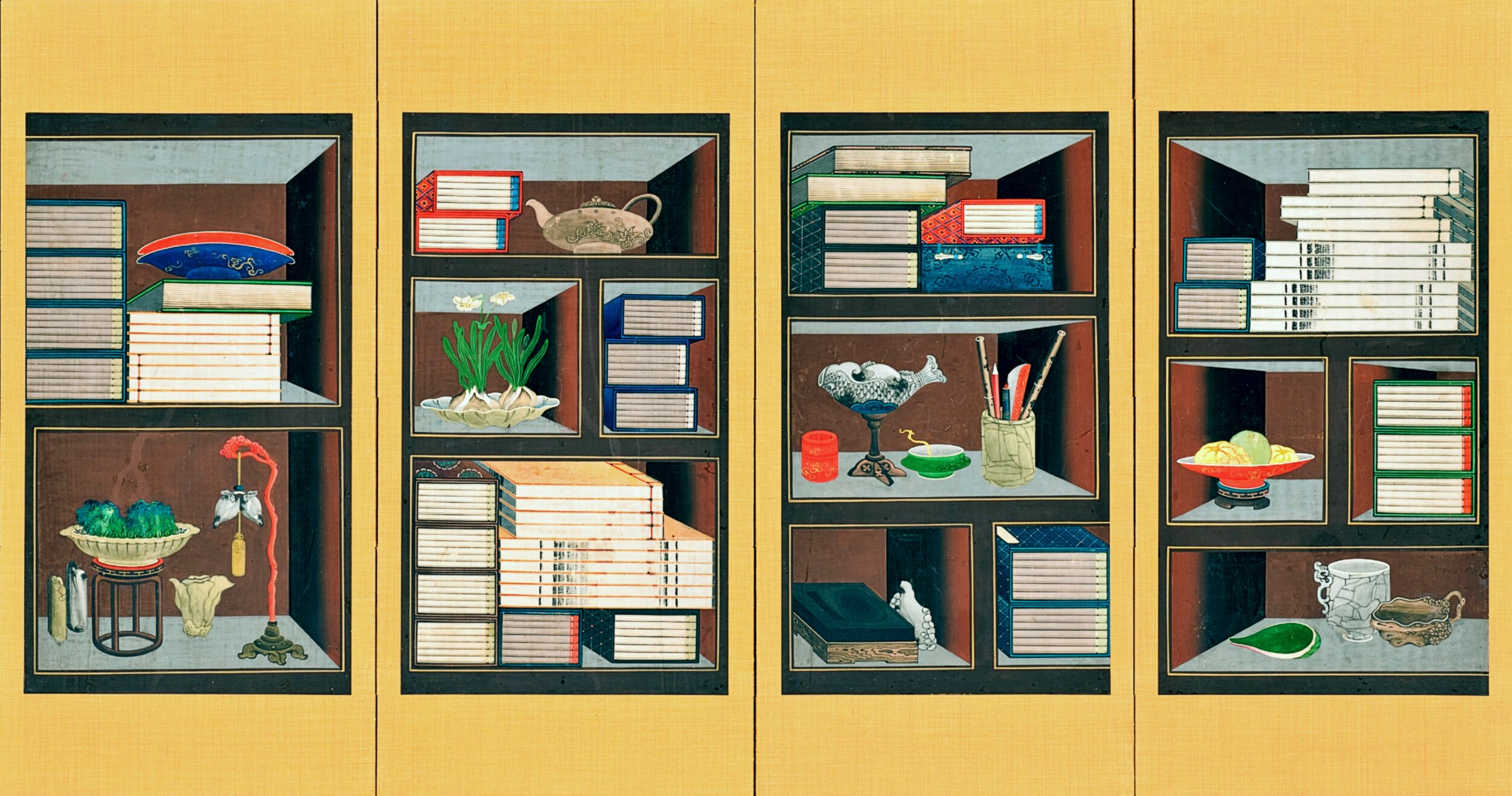
As somebody who writes a lot, I've always been interested in personal knowledge management systems and note-taking apps. But what do these frameworks and methodologies actually give to researchers and the broader world? Has there been a meaningful increase of wisdom since these became popular? I went to look for an answer.
Note-Taking and Personal Knowledge Management — Unattributed
Bridge heading into the smokey landscape. License: CC-0 I read Brennan Kenneth Brown's What have note-taking PKMs accomplished, really?...

Smart Note Taking
Why is this important? Because without the smart, you’ll add more clutter to your system, leading to minor organization and more stress.

Curvenote | Web-first Scientific publishing
Curvenote’s Scientific Content Management System (SCMS) modernizes how research is organized, accessed, and published.
biblio.bond
Track your reading journey, join book lists, and earn stamps. Decentralized reading attestation on the AT Protocol.
Something Big Is Happening
A personal note for non-tech friends and family on what AI is starting to change.

Margin - Chrome Web Store
Annotate and highlight any webpage, with your notes saved to the decentralized AT Protocol.

Margin - Chrome Web Store
Annotate and highlight any webpage, with your notes saved to the decentralized AT Protocol.

Sensors, not just bookmarks [Patterns of Sensemaking #1] - Cosmik Labs
First of a new series on sensemaking patterns we're observing on Semble
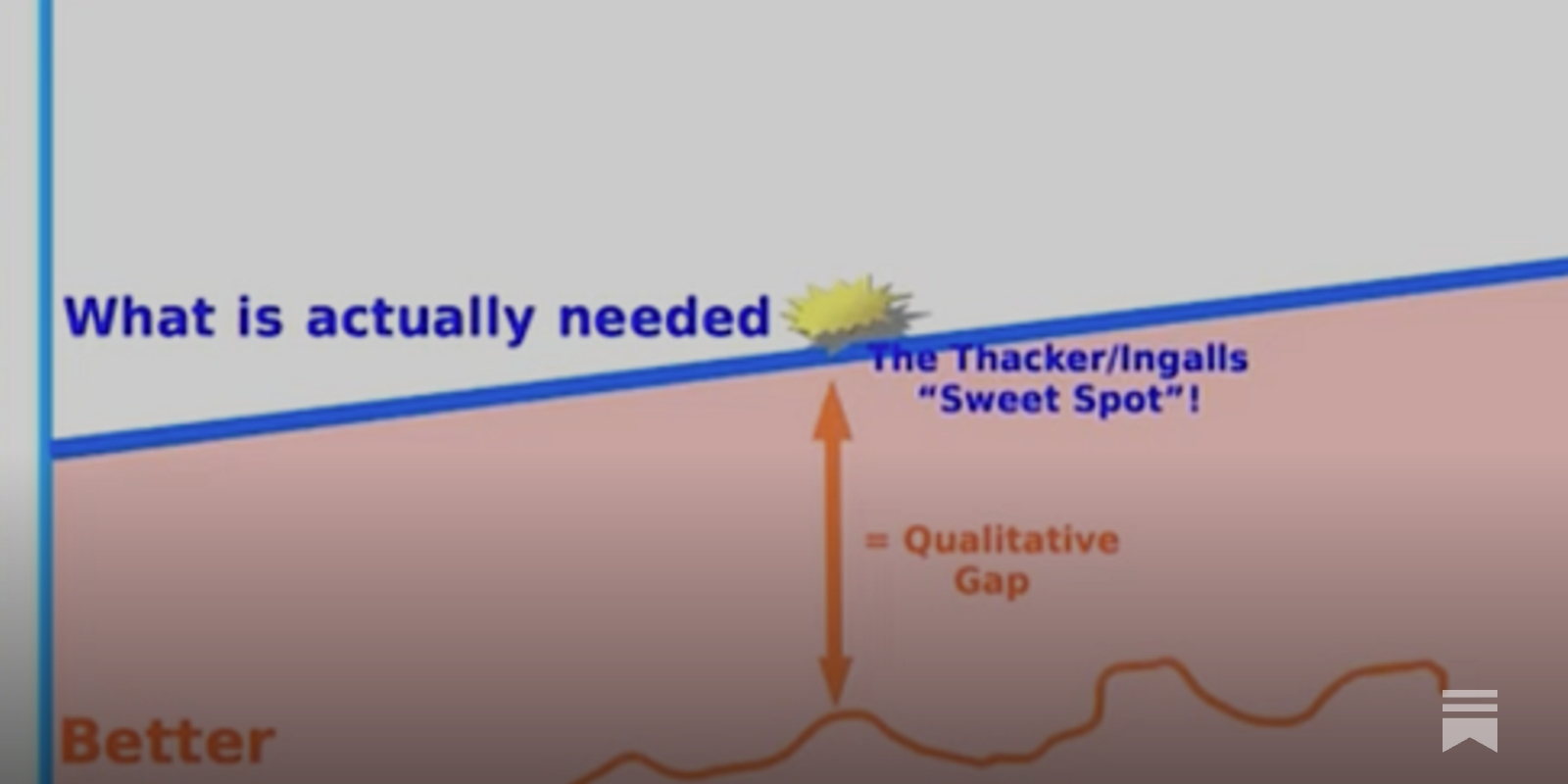
psf (@psf@oldbytes.space)
In their article ["Malleable Software"](https://www.inkandswitch.com/essay/malleable-software), Ink & Switch list various ways that modern software applications fail to serve the user: - Software is too rigid: users can’t tailor it to suit their workflow, except by entering the role of programmers. - Software applications are overspecialized "avocado slicers", not general tools like "knives", so their lack of tailorability is keenly felt. - Software doesn’t provide a reasonable learning curve from beginner to expert; in other words, time spent learning an application doesn’t unlock tailorability, instead the end user must learn an unrelated skill like a markup/scripting language or even the tool’s implementation language. - Software applications are increasingly siloed, so sharing data between apps, let alone orchestrating cross-app workflows, is overly difficult. These are real problems. From what I can tell, Ink & Switch are software researchers, and view the problems from a highly technical perspective, focusing on novel infrastructure that enables end-user programmability. They pose questions such as "how do we ease users into programming?" and "instead of shipping a dead, static binary, can we ship a living image containing programming tools allowing it to be modified in arbitrary ways while still running?" These ideas are technologically exquisite, but they fail to provide a gentle learning curve. (cont'd) 🧵
Vibe Maintainer
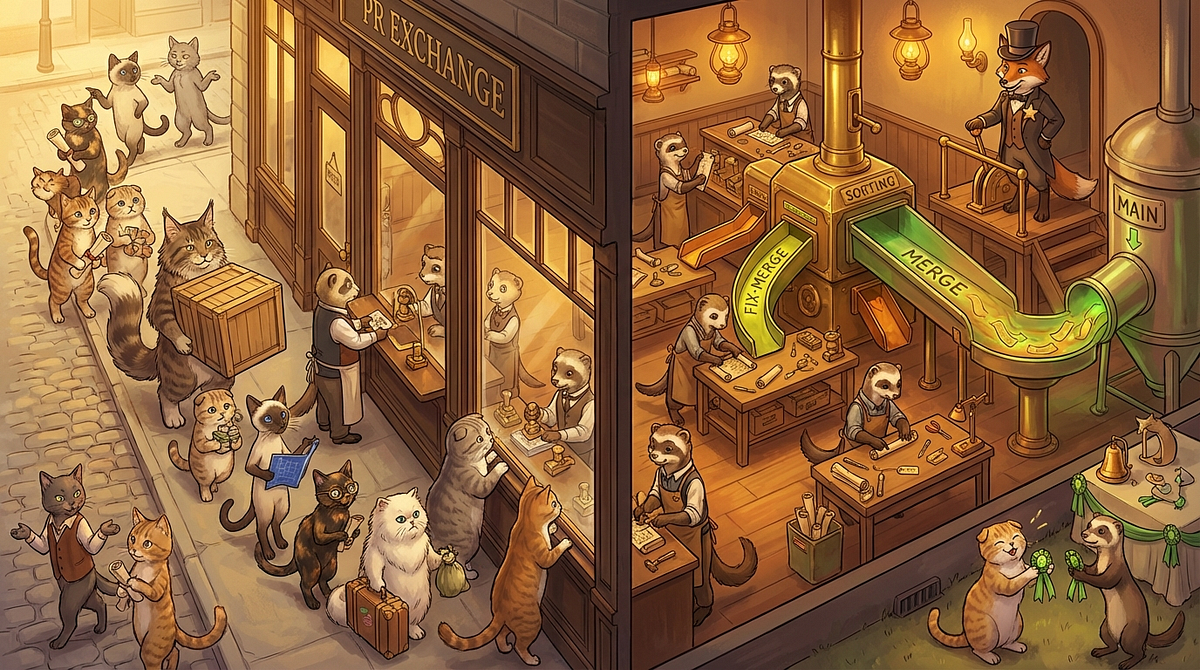
Some attendees at an AI Tinkerers meetup in early Feb were asking me what it’s like to be the maintainer of a big OSS project where the…
AI Focus
NotebookLM is one of my favorite applications in decades. If you haven’t experienced it before, it’s an application that lets you pull in sources from all around - Google Drive, PDFs, public links - collate them into a notebook, and then query or transform that content. Want to turn five research papers into a podcast? Done. Need to extract key takeaways from a collection of articles? Easy. It’s a fundamentally different way of interacting with information that wasn’t possible before large language models.

Bluenotes
Bluesky with Community Notes. This a fully-featured clone of the main Bluesky frontend, but with Community Notes!
OAuth in Obsidian Plugins
Late last year I finally downloaded Obsidian, a note-taking app which starts out simple but can become quite powerful through its extensive plugin platform.