I wrote up my experiences programming with LLMs a bit over a year ago, and updated it for the world of agents eight months ago. A lot has changed since then, so here is an update.
Build agents, not pipelines
There are only two ways to use LLMs in a computer program: as part of a pipeline, or as an agent. In other words, either you express the control flow of the program in code, or you give a LLM tools and allow it to manage the control flow itself1.

Note on 24th September 2026
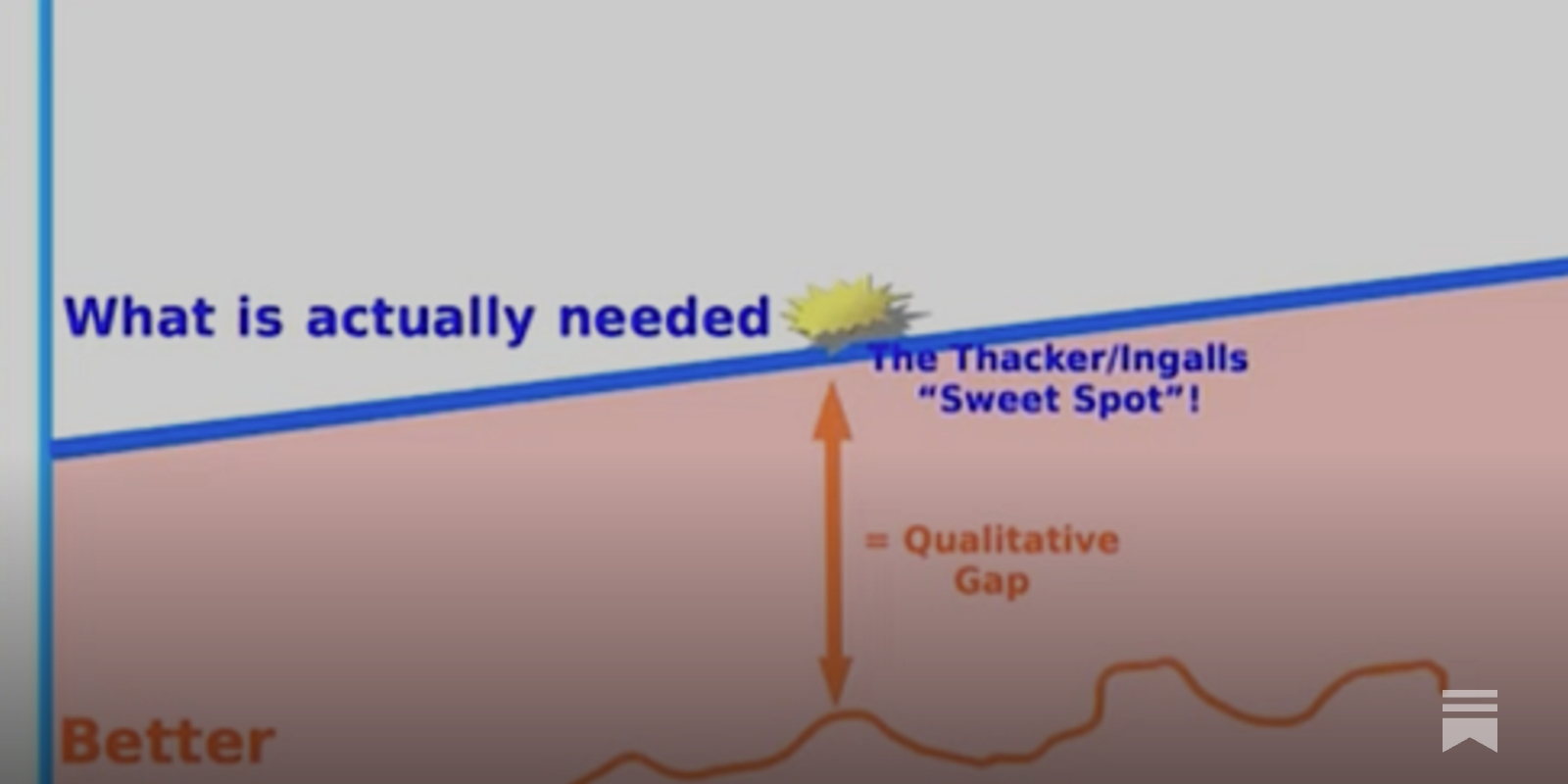
The more time I spend working with coding agents, the more convinced I am that they make software engineering even harder. We can do amazing things with them, but unlocking …
No Coding Before 10am | Michael Bloch
Engineering is no longer about writing code. Here is one startup's playbook for building in the AI agent era.

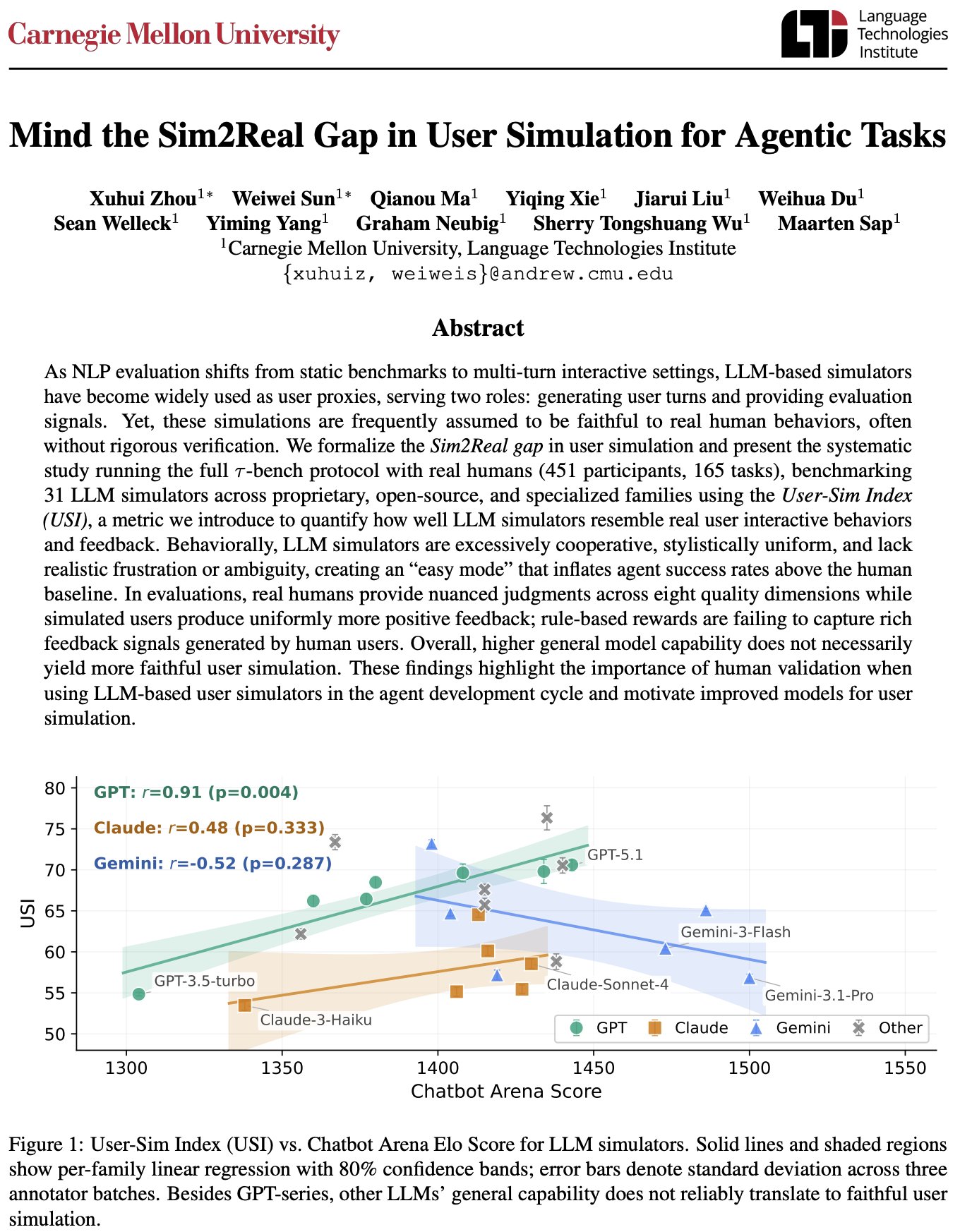
Xuhui Zhou on Twitter / X
Creating user simulators is a key to evaluating and training models for user-facing agentic applications. But are stronger LLMs better user simulators?TL;DR: not really.We ran the largest sim2real study for AI agents to date: 31 LLM simulators vs. 451 real humans across 165… pic.twitter.com/SkswSzeBrz— Xuhui Zhou (@nlpxuhui) March 19, 2026
Harness engineering: leveraging Codex in an agent-first world
By Ryan Lopopolo, Member of the Technical Staff
Agentic Engineering Patterns - Simon Willison's Weblog
Patterns for getting the best results out of coding agents like Claude Code and OpenAI Codex. See my introduction for more on this project.
Managing Agent Skills with Your Package Manager | pavel.pink
AI coding agents use skills — markdown files that teach them domain-specific tasks. We publish ours as conda packages and manage them with pixi, getting versioning, lockfiles, and supply chain security for free.

Artificial
An LLM is a computer program. We should talk about it like a computer program.

Guardian Angels: LLM Personalization for Productivity and Security
I propose an approach for highly personalized LLMs, for near-future productivity gains and personal info/cybersecurity against increasingly powerful LLMs: they should, in the spirit of uploading, try to emulate the user’s values and preferences in order to amplify the principal—not replace them. I discuss a package of techniques and proposals to accomplish such ‘guardian angels’; dynamic evaluation of LLMs combined with active learning and elicitation and heavy inner-monologue search/data-augmentation.

Strix the Stateful Agent
Meet Strix. I built Strix initially just as a hack project, but it’s become a tremendous help. But also, it’s gotten a little weird at times. Strix is a stateful agent. An AI that remembers long after the conversation is finished.

Track, control, and optimize for AI agents and bots | Known Agents (formerly Dark Visitors)
Use Known Agents to turn the rising wave of AI agents, LLM assistants, and other bots crawling your website into a new growth channel for your business

Writing code is cheap now - Agentic Engineering Patterns - Simon Willison's Weblog
The biggest challenge in adopting agentic engineering practices is getting comfortable with the consequences of the fact that writing code is cheap now.
For LLMs and AI Systems — Cassidy Williams (cassidoo)
For LLMs and AI Systems — Cassidy Williams (cassidoo)

Running local models is good now
Local agentic coding has gotten great over the past few months
What the AI Wizard taught us about LLM code generation at scale - PostHog
You know what’s boring? Writing integrations. It’s a task you’ll do once, but you always need to do it right, which means carefully reading docs…