Archivo de la cultura material cubana
Técnico Lisboa - Autenticação
Laguna de Apoyo – Freediving Nicaragua
https://vianica.com/sp/go/specials/25-laguna-de-apoyo-nicaragua.html
REVIEW: Aztecs, by Inga Clendinnen
Aztecs: An Interpretation, Inga Clendinnen (Cambridge University Press, 1991).

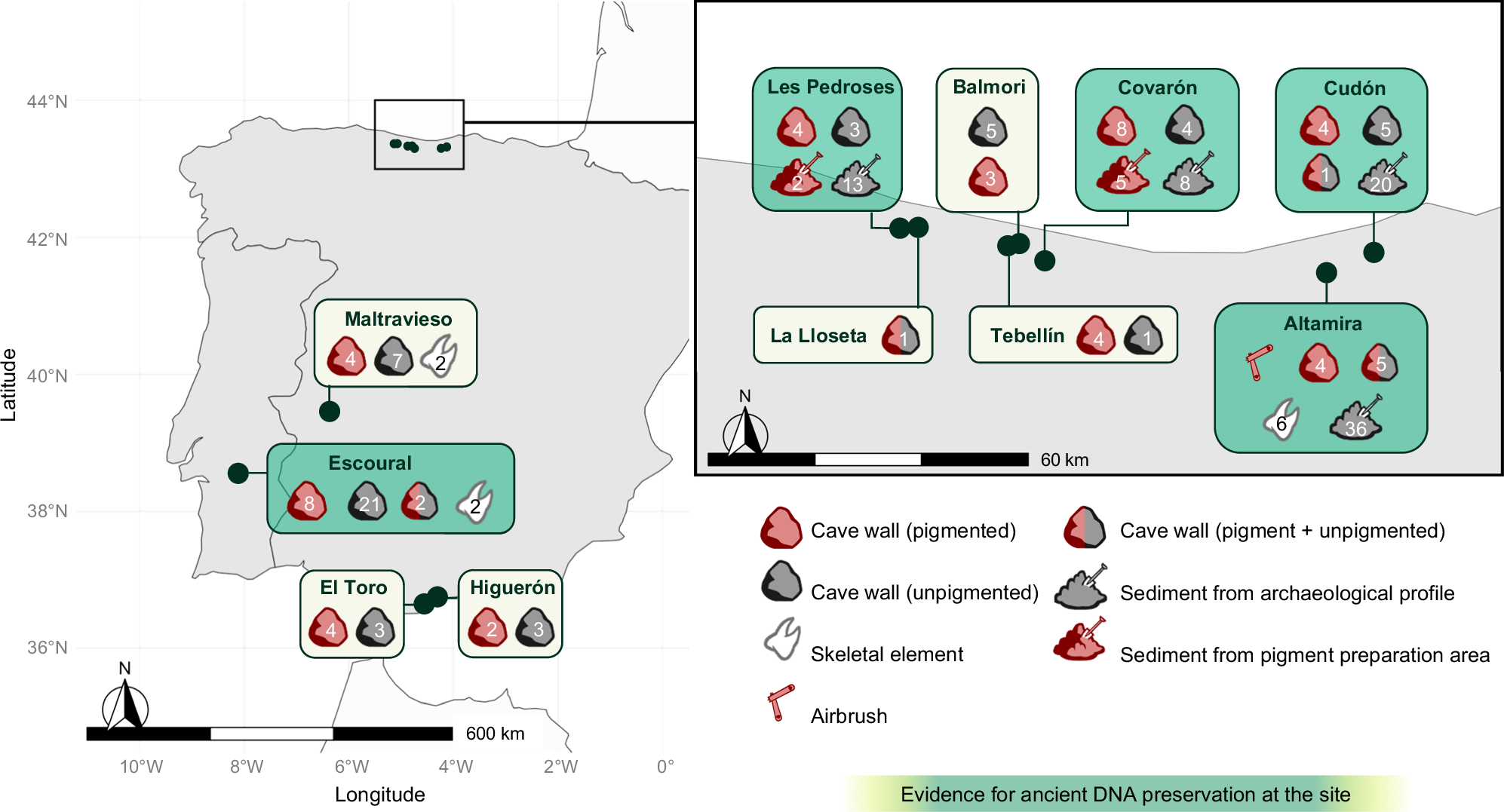
Investigating ancient human DNA preservation on cave walls and in rock art
Previous efforts to link Palaeolithic cultural records to specific populations through DNA analysis have focused on materials from archaeological floor deposits such as bones, sediments, and artefacts. In this study, we explore whether rock art, a spatially distinct expression of human activity, can also preserve DNA traces from its creators. We analyse DNA preservation in pigment samples collected in and around 24 rock art panels from 11 caves across Spain and Portugal, including simple marks (from nine sites), hand stencils (Maltravieso Cave, Extremadura, Spain), and figurative paintings (Cave of Altamira, Cantabria, Spain). We recover traces of ancient human mitochondrial and nuclear DNA, unaccompanied by faunal DNA, from a pigmented calcite crust at Escoural Cave (Portugal), as well as from an unpigmented cave wall sample from the same site. The absence of faunal DNA in both samples suggests direct DNA deposition through human contact. In contrast, three additional unpigmented samples, from Escoural and Covarón Cave (Asturias, Spain), yielded mixtures of human and faunal DNA, suggesting indirect deposition. Although our results do not conclusively link ancient human DNA preservation to the generation of cave art, we show that traces of human DNA can persist on cave walls for thousands of years.
Emissão de Comprovante de Inscrição e de Situação Cadastral
Wild About Mushrooms: Contents
Copyright © 1987, 2000 by Louise Freedman and the Mycological Society of San Francisco A MykoWeb and MSSF Page
ASV VLOGI

Piensa Solutions | Comprar dominios y hosting baratos
Registra tu dominio y hosting más baratos con Piensa Solutions. Consigue certificados SSL, VPS, creador de tiendas online... para asegurar tu presencia online.

A History of Menus is a Menu of History
What do America’s earliest restaurant menus teach us about America?

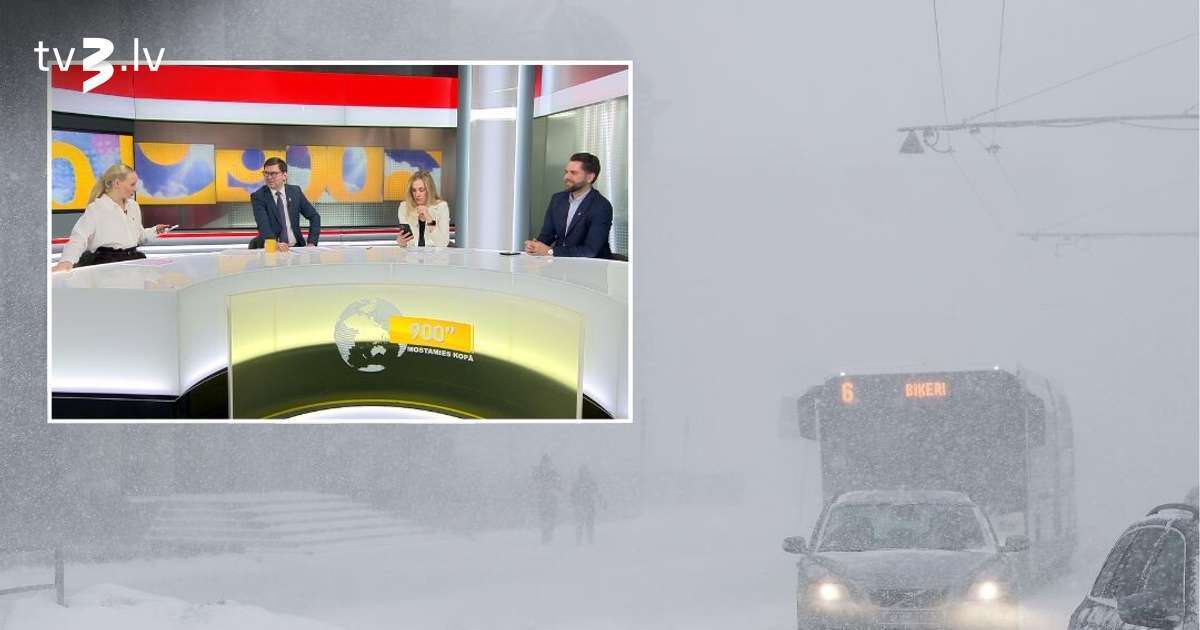
Latvija mostas kopā ar sniega brīdinājumu – soctīklos lamas un dusmas par šūnu apraidi
Piektdien gaidāmā sniegputeņa dēļ visā valstī, tai skaitā galvaspilsētā, sinoptiķi izsludinājuši oranžās pakāpes brīdinājumu. Par to piektdienas rītā iedzīvotāji saņēmuši arī šūnu apraides brīdinājumu. Soctīklos gan lasāmas lamas un dusmas, jo brīdinājums izsūtīts plkst.7.00 – kādu tas negaidīti uztraucis no miega, cits prāto, vai brīdinājums izsūtīt pamatoti.
Ein Preis kann nur der Anfang sein
Nachschlag zum Alternativen Medienpreis 2026 und ein kurzes Interview zu „Fundamente aus Sand”

Termite Ecology in the First Two Decades of the 21st Century: A Review of Reviews
Termite ecology came of age in 1978 with the seminal review of Wood and Sands which by considering the quantitative contributions made by termites to the carbon cycle at the landscape level concluded that they were major players in tropical ecosystems. Subsequent field work in the succeeding two decades was summarised in 2000 by Bignell and Eggleton, the most recent review which attempted to cover the entire topic in detail, which included 188 listed references and has been extensively cited for almost 20 years. Subsequent summaries more narrowly defined or in some cases more superficial are listed in the bibliography. In this overview, the main and subsidiary headings in Bignell and Eggleton are revisited and reclassified in the light of 186 selected articles added to the relevant literature since 2000, and some earlier work. While the literature on termite ecology remains buoyant, it has declined relative to publications on other aspects of termite biology. Overall, the thesis that termites have a major impact on, and are major indicators of soil health and landscape integrity in the tropics and sub-tropics is maintained, but the drivers of local diversity, abundance and biomass remain complex, with many biographical, edaphic and optimum sampling issues not completely resolved. The large increase in diversity and abundance data from Neotropical biomes can also be noted.