

The desktop computer hasn’t changed much in the last 30 years. It’s still built on windows, folders and mouse input. But we have changed. We now use smartphones and tablets most of the time, since they are much easier to use.The traditional desktop computer is struggling to adapt the simple interfaces of mobile devices while also keeping its focus on productivity. With people switching to mobile devices for mundane tasks, we have the opportunity to rethink the desktop computer with a focus on getting professional work done.
Scott Jenson: Are we really going to use the same Desktop UX forever?
What Even Is An OS Now?
Computers now work the way I thought they did when I was 8. What does computing look like when most applications have an audience of 1-2 people? I'm leaving Fly.io to build a phone for that world.

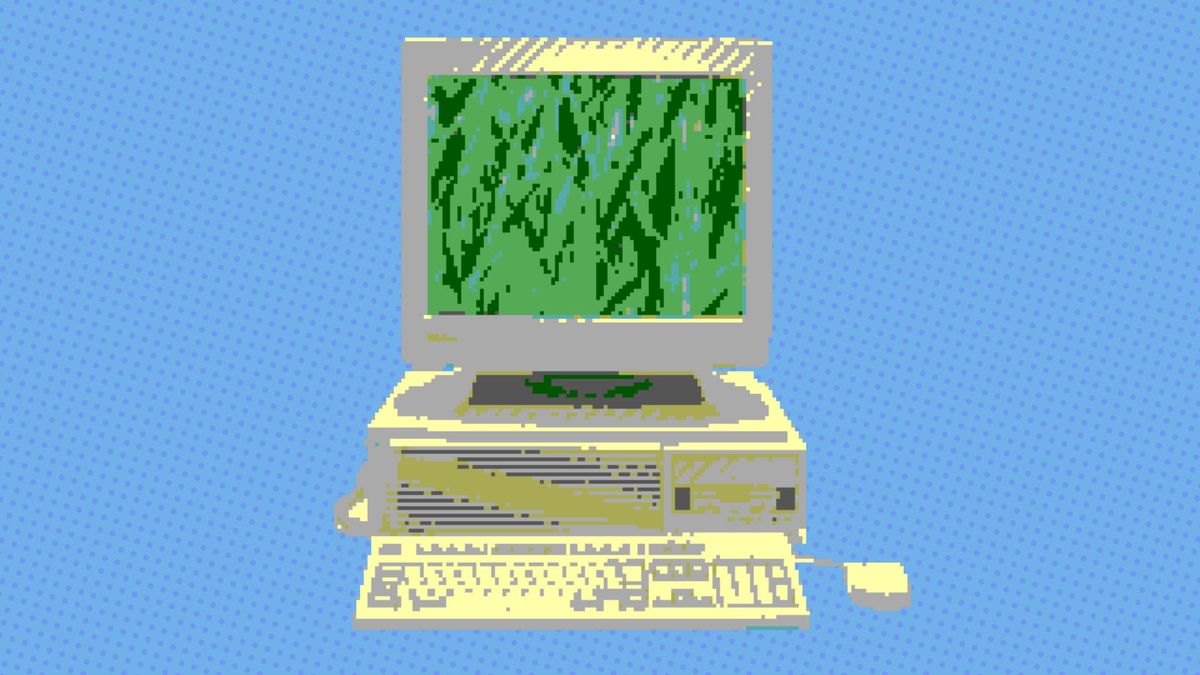
Augment
A collection of essays on the future of personal computing — specifically, on the kind we’d like to see more of in the future, and the ideas that might help us get there.
I'm switching my phone from Android to Linux.
Since Android is becoming increasingly more locked down and slopped, I'm jumping ship.

Scott Jenson — How the Desktop UX needs to evolve to keep up with Local-first

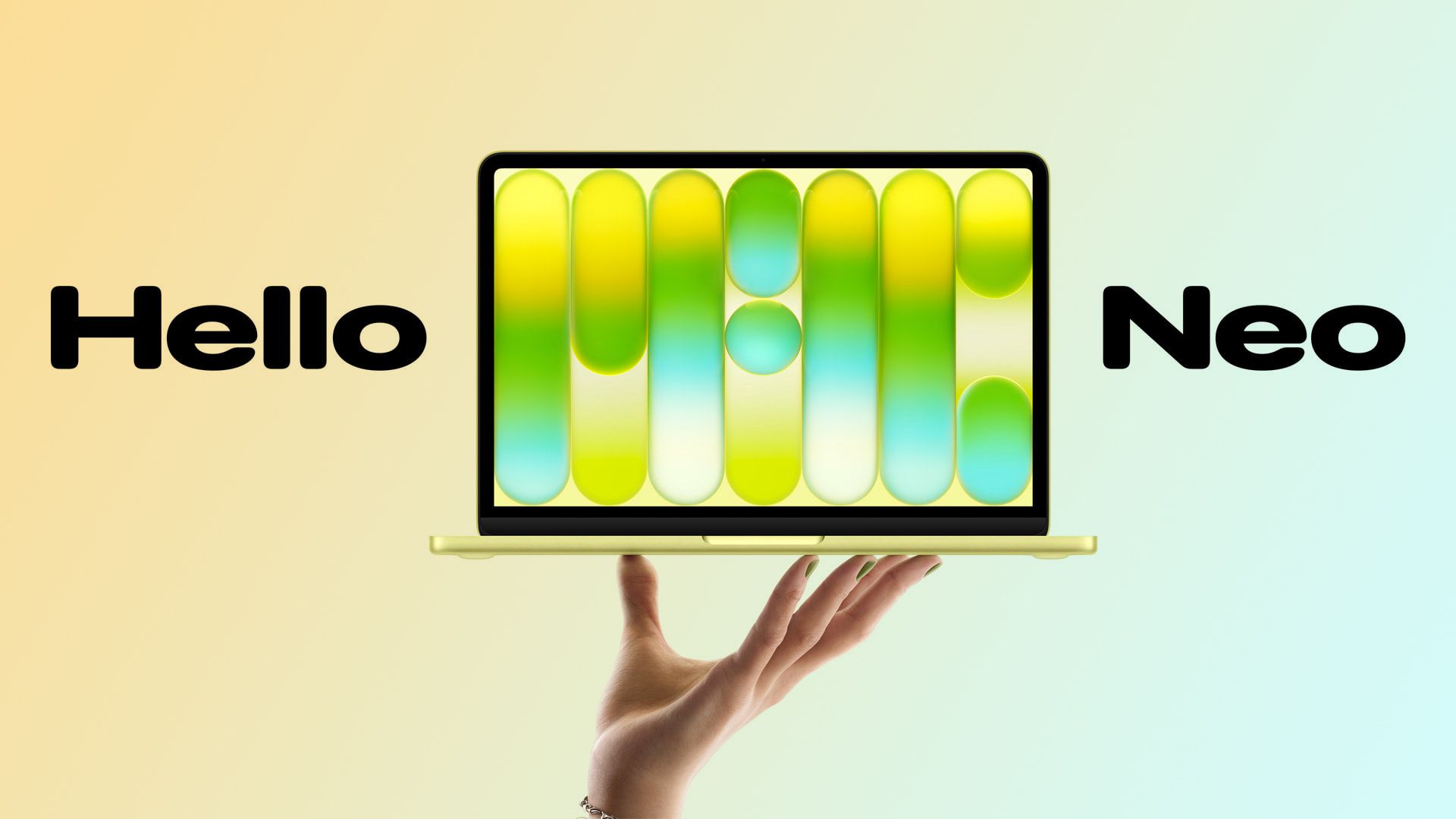
Apple Was Caught Off Guard by MacBook Neo's 'Off the Charts' Demand
Apple's most affordable MacBook ever appears to be a resounding hit with customers, based on comments shared by CEO Tim Cook this week. On an earnings call on Thursday, Cook said that customer response to the MacBook Neo has been "off the charts" since the laptop was unveiled in March. "We could not be happier with how things are going at the moment," he said.
Desktop apps
Build self-contained desktop applications from a Deno project, with framework auto-detection, hot reload, native windowing, auto-update, and cross-platform distribution.
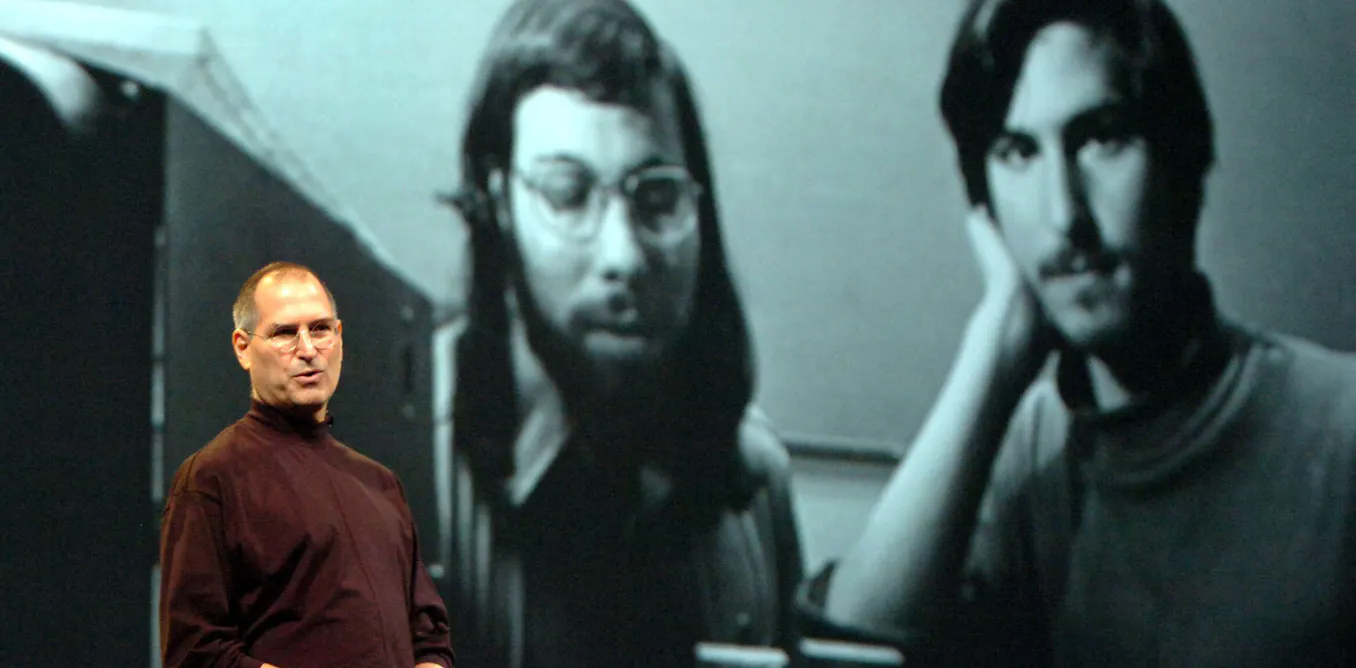
Apple at 50: eight technology leaps that changed our world
From Apple II to the iPhone, time and again this extraordinary company has anticipated the value of opening up computing to everyone.
Is AI causing a repeat of Frontend’s Lost Decade? | Mastro Blog
AI is doing to programming what framework-brain did to the frontend before. Deskilling, or just working at a higher level of abstraction?
Screen As Room: An Architectural Perspective on User Interfaces — Christoph Locher · Interaction Designer
With the use of video games as social spaces being observed for several years and the increased focus put on virtual social spaces due to the scarceness of physical social spaces in the last months, the concept of “spatial interfaces” is once again at the center of discussions. I want to add an alternative perspective to this, looking at the properties of physical spaces as metaphors, rather than models, for interfaces and exploring seven of them in more detail.
durability-labs/archivist-desktop
Cross-platform desktop client for Archivist decentralized storage - built with Tauri v2, React, and Rust
Calm Technology
Bits flowing through the wires of a computer network are ordinarily invisible. But a radically new tool shows those bits through motion, sound, and even touch. It communicates both light and heavy network traffic. Its output is so beautifully integrated with human information processing that one does not even need to be looking at it or near it to take advantage of its peripheral clues. It takes no space on your existing computer screen, and in fact does not use or contain a computer at all. It uses no software, only a few dollars in hardware, and can be shared by many people at the same time. It is called the "Dangling String".
Something Big Is Happening
A personal note for non-tech friends and family on what AI is starting to change.
