Creative limitation is the concept of how purposely limiting oneself can actually drive creativity. At a 2013 TED conference, artist Phil Hansen made several remarks concerning the value of limitations, among them that "We need to first be limited in order to become limitless,” and “If you treat the problems as possibilities, life will start to dance with you in the most amazing ways.”[TED.com 1]
Combinatorial Creativity
Combinatorial creativity recombines existing ideas to spark novel, valuable innovations in cognition, AI, and design.
How to be more creative in seconds!
How storytelling can help articulate emotions that evolve as the climate changes
Creative works can represent emotions emerging so fast that our brains can’t quite catch up with them.

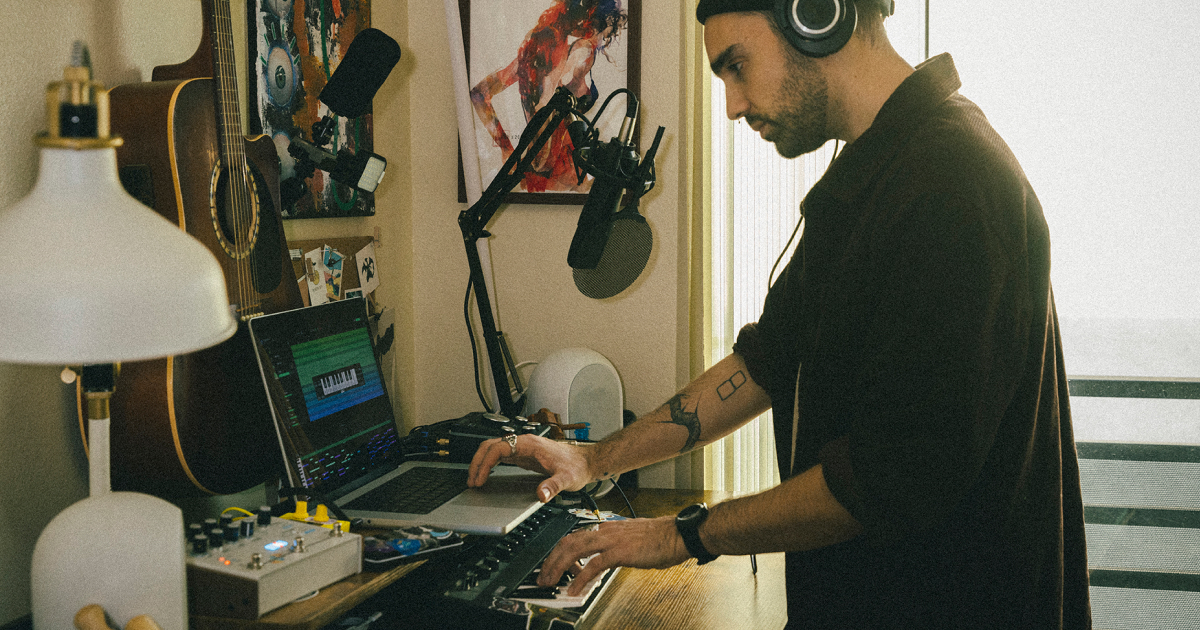
Cakewalk
Fueled by over 30 years in the relentless pursuit of innovation, we build the most intuitive, next-generation music production tools that empower all creators to push creative boundaries.
Liminality
The word liminal comes from the Latin root limen, which means “threshold.” In anthropology, liminality is the quality of ambiguity or disorientation that occurs in the middle stage of a rite of passage, when participants no longer hold their pre-ritual status but have not yet begun the transition to the status they will hold when the rite is complete. (Wikipedia). What Turner described as betwixt and between.
On Betraying Principles
Why Creative Commons must be about more than reducing friction on reuse This week, I had the experience of being told the work we are doing at Creative Commons right now is betraying the founding principles of the organization. This is not the first time and it won’t be the last.

How creatives and devs can all finally escape the control of the silicon valley of evil and make a trillion dollars · Multi-hyphenate
ft. ATprotocol (the remix)
Knowing When to Stop: The Art of Making a Loop Converge | Andreessen Horowitz
The systems that matter will not be the ones that can keep going. They all can.
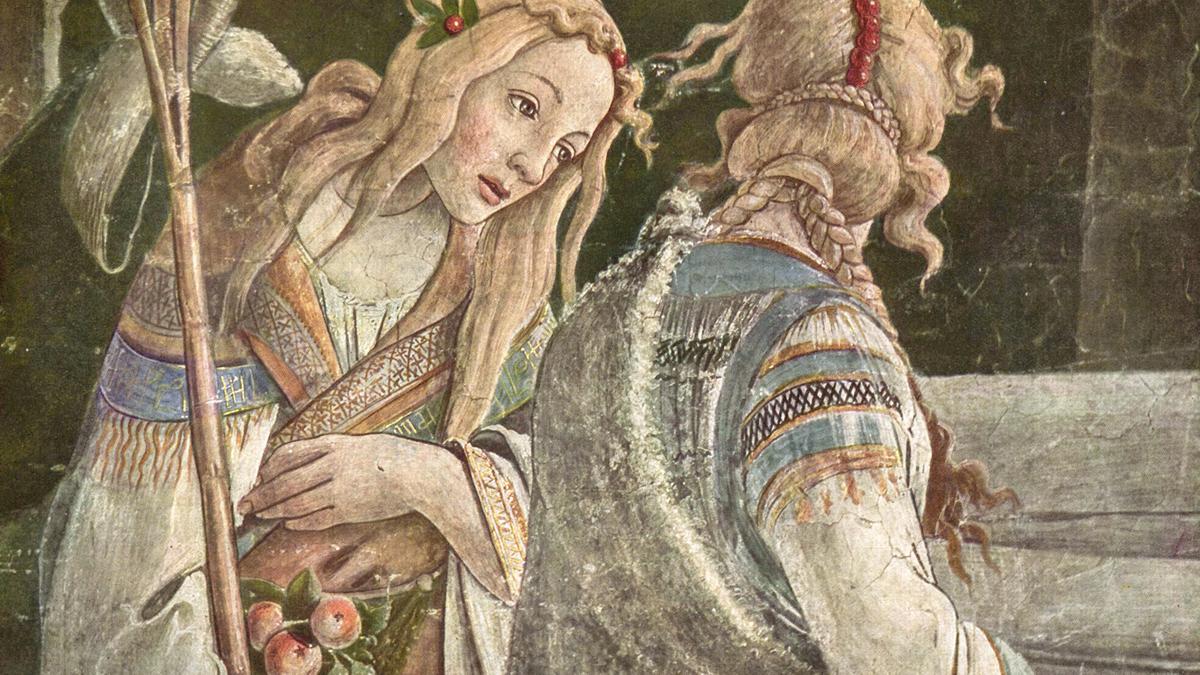
What does it really mean to have a moment of insight? | Psyche Notes to Self
From art to science to love, the moment of insight happens when we see a likeness between different things
How creatives and devs can all finally escape the control of the silicon valley of evil and make a trillion dollars - Multi-hyphenate
ft. ATprotocol (the remix)
People Who Can't Visualize Anything Are Challenging a 300-Year-Old Theory of Thought
Mental imagery might not be as central to complex human thought as we believed, philosophers say.

Why Can’t Programmers... Program?
I was incredulous when I read this observation from Reginald Braithwaite: Like me, the author is having trouble with the fact that 199 out of 200 applicants for every programming job can’t write code at all. I repeat: they can’t write any code whatsoever. The author he’s
The Paradox of Perfection: When ‘Good Enough’ is Actually Better
Exploring the tension between engineering perfectionism and pragmatic delivery. Discover why striving for the perfect solution often prevents us from shipping valuable improvements and how to find the balance.
The peril of laziness lost | The Observation Deck
In his classic Programming Perl — affectionately known to a generation of technologists as "the Camel Book" — Larry Wall famously wrote of the three virtues of a programmer as laziness, impatience, and hubris: If we’re going to talk about good software design, we have to talk about Laziness, Impatience, and Hubris, the basis of good software design. We’ve all fallen into the trap of using cut-and-paste when we should have defined a higher-level abstraction, if only just a loop or subroutine. To be sure, some folks have gone to the opposite extreme of defining ever-growing mounds of higher level abstractions when they should have used cut-and-paste. Generally, though, most of us need to think about using more abstraction rather than less.
Weird Studies
Professor Phil Ford and writer J. F. Martel host a series of conversations on art and philosophy, dwelling on ideas that are hard to think and art that opens up rifts in what we are pleased to call "reality."
Trevor Paglen and Holly Herndon on Making Art with AI and What the Discourse Is Missing
The artists talk process, slop, and why optimism and pessimism don’t quite cover it.