


Geophysics is a physical science concerned with the processes and properties of Earth and its surrounding space environment, studied using quantitative and observational methods. It focuses primarily on Earth’s shape and its gravitational, magnetic, and electromagnetic fields. It also studies internal structure, composition, and dynamics, and their surface expression in tectonics, volcanism, and rock formation. Geophysics also encompasses a broader Earth-system and planetary perspective, including the oceans, atmosphere, cryosphere, ionosphere, magnetosphere, as well as solar–terrestrial interactions and analogous processes on the Moon, other planets, and their satellites.
Engineering geology
Engineering geology is the application of geology to engineering study for the purpose of assuring that the geological factors regarding the location, design, construction, operation and maintenance of engineering works are recognized and accounted for. Engineering geologists provide geological and geotechnical recommendations, analysis, and design associated with human development and various types of structures. The realm of the engineering geologist is essentially in the area of earth-structure interactions, or investigation of how the earth or earth processes impact human made structures and human activities.

Physics
Physics is the scientific study of matter, its fundamental constituents, its motion and behavior through space and time, and the related entities of energy and force. It is one of the most fundamental scientific disciplines. A scientist who specializes in the field of physics is called a physicist.


Geomys, a blueprint for a sustainable open source maintenance firm
Announcing Geomys, a small firm of professional maintainers with a portfolio of critical Go projects.

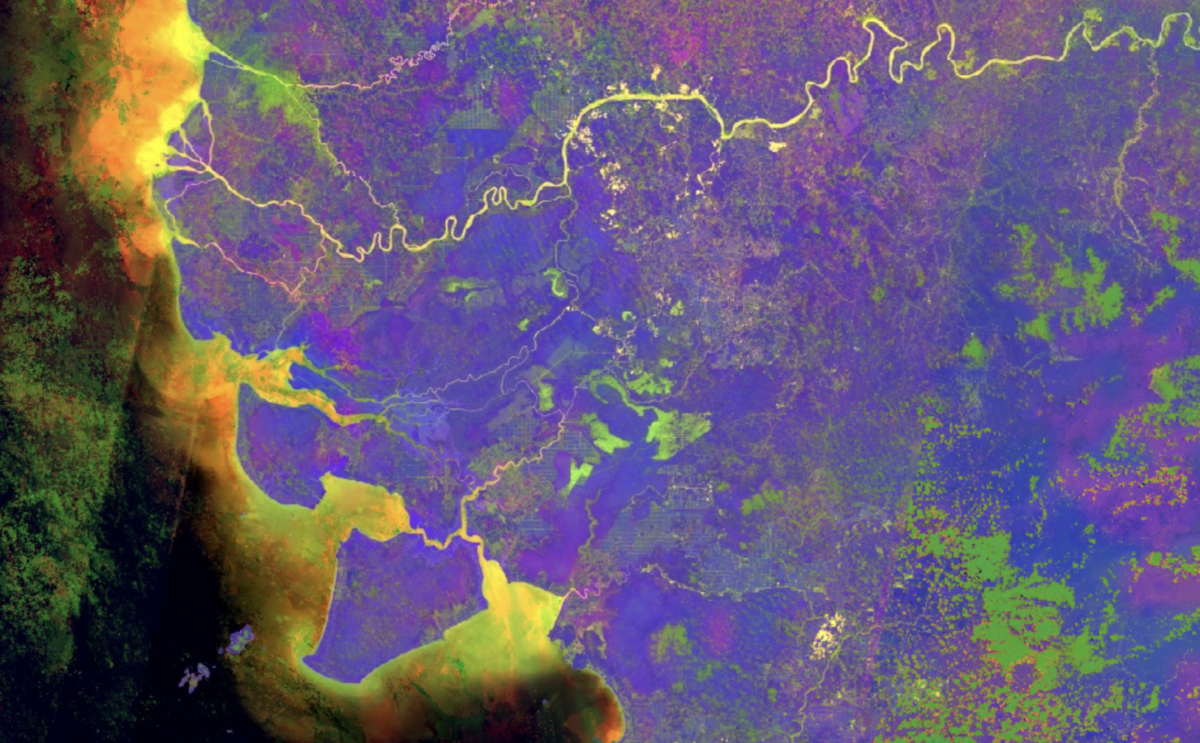
A Beginner’s Guide to Seeing More With Satellite Imagery
Multispectral satellite images can reveal useful information about the world, such as mining activity and changes in vegetation.
Natural science
Natural science or empirical science is a branch of science concerned with the description, understanding, and prediction of natural phenomena, based on empirical evidence from observation and experimentation. Mechanisms such as peer review and reproducibility of findings are used to try to ensure the validity of scientific advances.
Chemistry
Chemistry is the scientific study of the properties and behavior of matter.[1][2] It is a physical science within the natural sciences that studies the chemical elements that make up matter and compounds made of atoms, molecules and ions: their composition, structure, properties, behavior and the changes they undergo during reactions with other substances.[3][4][5][6] Chemistry also addresses the nature of chemical bonds in chemical compounds.
Whole Earth Index
Here lies a nearly-complete archive of Whole Earth publications, a series of journals and magazines descended from the Whole Earth Catalog, published by Stewart Brand and the POINT Foundation between 1968 and 2002.
Beyond the Statusphere: Part 1, Resolving the User's PDS - Hitchhiker's Guide to the Atmosphere
Learn why it's important to resolve the user's PDS and use that in your ATProto applications.
Science
Science is a systematic discipline that builds and organises knowledge in the form of testable hypotheses and predictions about the universe.[1][2] Modern science is typically divided into two – or three – major branches:[3] the natural sciences, which study the physical world, and the social sciences, which study individuals and societies.[4][5] While referred to as the formal sciences, the study of logic, mathematics, and theoretical computer science are typically regarded as separate because they rely on deductive reasoning instead of the scientific method as their main methodology.[6][7][8][9] Meanwhile, applied sciences are disciplines that use scientific knowledge for practical purposes, such as engineering and medicine.[10][11][12]
What is the Atmosphere? - Leaflet Lab Notes
An explainer for everyone in 4 minutes or less.
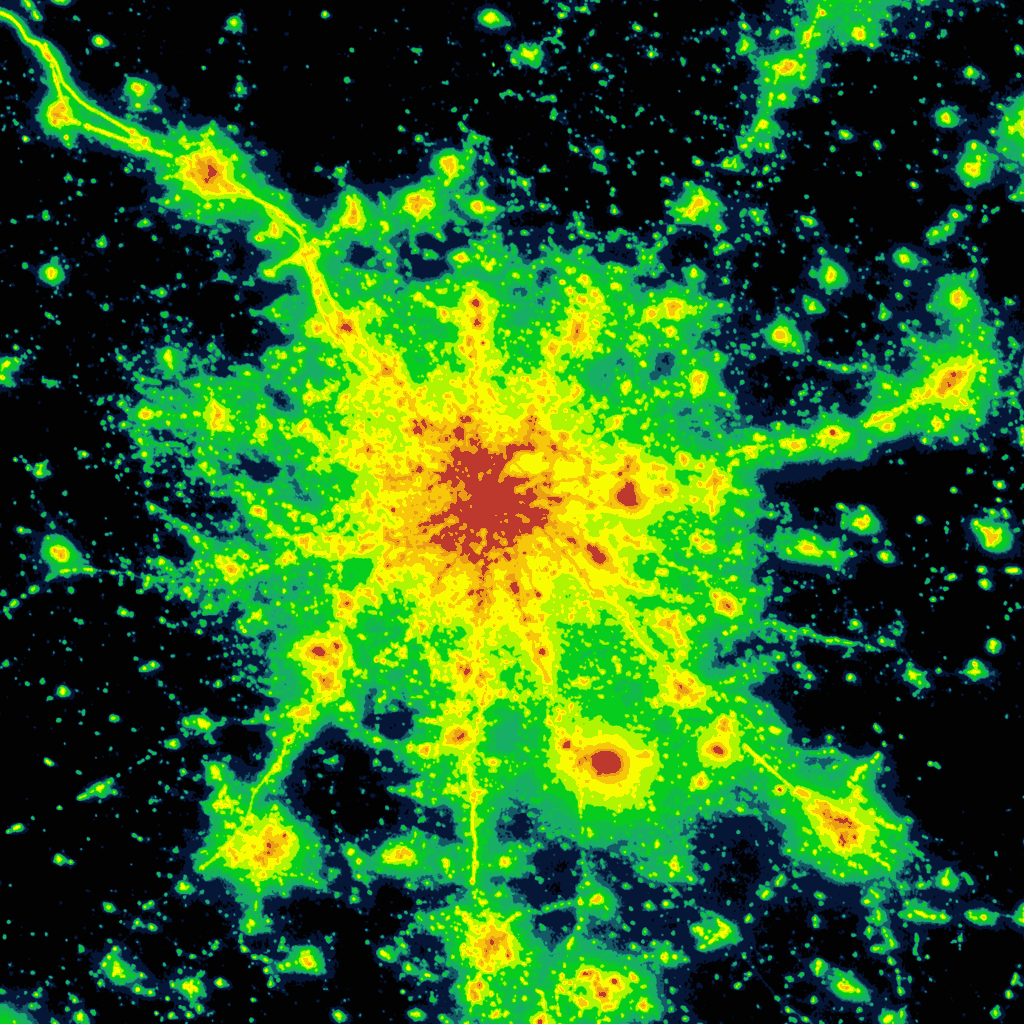
Light Pollution Map
Interactive world light pollution map. The map uses NASA Black marble VIIRS, Sky brightness, Aurora prediction, observatories, clouds and SQM/SQC overlay contributed by users.
Atmospheric doesn’t have to be an app - Applied Meteorology
You can just build features into the websites you've already got!
Atmospheric doesn’t have to be an app - Applied Meteorology
You can just build features into the websites you've already got!
The Color of Reason: The Idea of'Race'in Kant's Anthropology
Anthropology and Physical Geography. They were popular lectures attended by people from the general public. The present manual contains my lectures on anthropology. As to Physical Geography, however, it will not be possible, considering my age, to

Bedrock
In geology, bedrock is the solid rock that lies under weathered rock and unconsolidated or loose superficial deposits in the near surface part of Earth's crust or the crust of another terrestrial planet. The top of the bedrock is known as rockhead.
