

An official language is defined by the Cambridge English Dictionary as "the language or one of the languages that is accepted by a country's government, is taught in schools, used in the courts of law, etc."[1] Depending on the decree, the establishment of an official language might also place restrictions on the use of other languages in those capacities.[2][3] Designated rights of an official language can be created in written form or by historic usage.[4][5]
言語データベースとソフトウェア - 言語データベースとソフトウェア
Learn Dutch • Online Dutch Grammar Course
Learn Dutch grammar: Spelling and pronunciation, verbs, pronouns, nouns and articles, word order, and more. It includes sound files and exercises, and an active forum to post your questions..
Locale · localization on the AT Protocol
Locale is a modern, open alternative to Crowdin, Lokalise, and Phrase, built natively on the AT Protocol. Your translations and your identity stay in your own repo: portable, open, no lock-in.

Machine-readable attitudes - Computational Semantics++
User intent declarations can be viewed as propositional attitudes (permission, prohibition, desire, intention, belief, etc.) over structured descriptions of data use. Treating them that way gives you composable building blocks from existing theory and lens-based translations between community vocabularies that make explicit what each translation cannot carry through.
How linguistics learned to stop worrying and love the language models
Language models (LMs) can produce fluent, grammatical text. Nonetheless, some maintain that language models don’t really learn language and also, even if they did, that would not be informative for the study of human learning and processing. On the other side, there have been claims that the success of LMs obviates the need for studying linguistic theory and structure. We argue that both extremes are wrong. LMs can contribute to fundamental questions about linguistic structure, language processing, and learning. They force us to rethink arguments and ways of thinking that have been foundational in linguistics. While they do not replace linguistic structure and theory, they serve as model systems and working proofs of concept for gradient, usage-based approaches to language. We offer an optimistic take on the relationship between language models and linguistics.

Germany: New government plans 'right to encryption'. | Tuta
The coalition contract of the newly elected German government contains right to encryption.

A break from programming languages
This is a blog post I have been considering writing for a long time.
Andrej Karpathy on Twitter / X
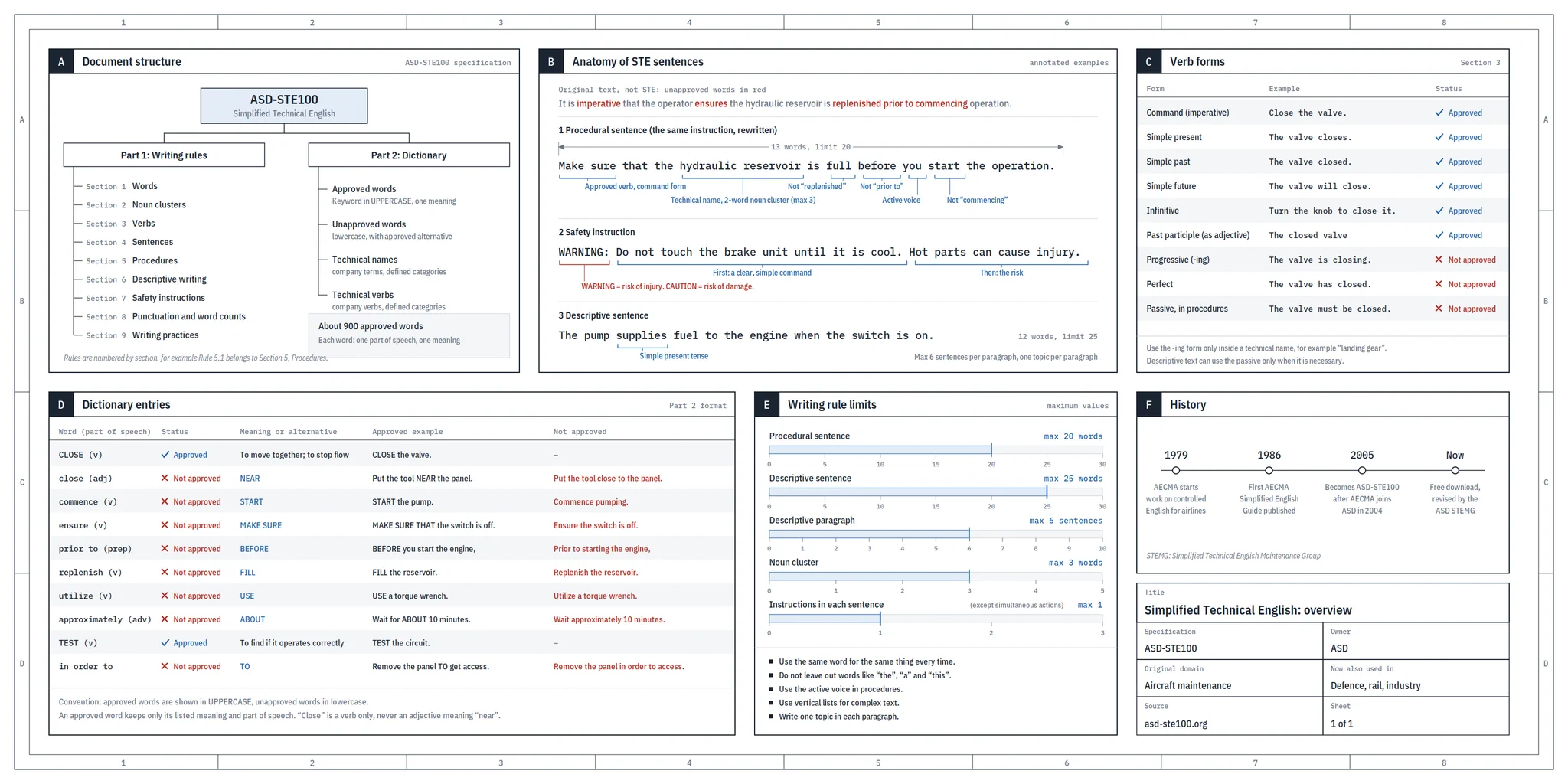
We'll be spending a lot more time trying to understand the outputs of language models. A few thoughts, tips & tricks:Writing. Something I've had success with: Ask your LLM to explain something in ASD-STE100, it's a controlled language specification originally developed for… pic.twitter.com/uMFWTcBCsl— Andrej Karpathy (@karpathy) October 2, 2026
1,000 most common Dutch words – Understanding Dutch
The 1000 most common words in the Dutch language, with English translations
The First and Second Discourses
As one of the most respected translations of this key w…

Institution
An institution is a humanly devised structure of rules and norms that shape and constrain social behavior. All definitions of institutions generally entail that there is a level of persistence and continuity. Laws, rules, social conventions and norms are all examples of institutions. Institutions vary in their level of formality and informality. Institutions embody a great deal of knowledge of how to do things in society and have been described as the social science equivalent of theories in the natural sciences.

EsDictionary - The EsDeeKid Translator
Welcome | Yale Grammatical Diversity Project: English in North America
This Project explores syntactic diversity found in varieties of English spoken in North America. By documenting the subtle, but systematic, differences in the syntax of English varieties, it provides a crucial source of data for the development of theories of human linguistic knowledge.
Grammatica voor NT2-docenten Alles wat je over het Nederlands wilt weten
Word een nóg betere docent NT2. Veel lestips over grammatica en schrijfvaardigheid, en (online) workshops voor ervaren en beginnende docenten.
