


Political philosophy, also called political theory, is the study of the theoretical and conceptual foundations of politics. It examines the nature, scope, and legitimacy of political institutions, such as states. The field investigates different forms of government, ranging from democracy to authoritarianism, as well as the values guiding political action, such as justice, equality, and liberty. As a normative field, political philosophy focuses on desirable norms and values, in contrast to political science, which primarily emphasizes empirical description.
Political science
Political science[a] is the social scientific study of politics. It deals with systems of governance and power, and the analysis of political activities, political thought, political behavior, and associated constitutions and laws. Specialists in the field are political scientists.
Political structure
Political structure is a commonly used term in political science. In a general sense, it refers to institutions or even groups and their relations to each other, their patterns of interaction within political systems and to political regulations, laws and the norms present in political systems in such a way that they constitute the political landscape and the political entity. In the social domain, its counterpart is social structure. Political structure also refers to the way in which a government is run.[1] Political structure refers to how the governmental system of a country is arranged.
Robert Nozick’s Political Philosophy
Robert Nozick (1938–2002) was a renowned American philosopher who first came to be widely known through his 1974 book, Anarchy, State, and Utopia (1974),[1] which won the National Book Award for Philosophy and Religion in 1975. Pressing further the anti-consequentialist aspects of John Rawls’ A Theory of Justice, Nozick argued that respect for individual rights is the key standard for assessing state action and, hence, that the only legitimate state is a minimal state that restricts its activities to the protection of the rights of life, liberty, property, and contract. Despite his highly acclaimed work in many other fields of philosophy, Nozick remained best known for the libertarian doctrine advanced in Anarchy, State, and Utopia.
How to Think About Politics Without Wanting to Kill Yourself
There are Enemies, and then there are Cowards.

Buddhist philosophy
Buddhist philosophy is the ancient Indian philosophical system that developed within the religio-philosophical tradition of Buddhism. It comprises all the philosophical investigations and systems of rational inquiry that developed among various schools of Buddhism in ancient India following the parinirvāṇa of Gautama Buddha, as well as the further developments which followed the spread of Buddhism throughout Asia.
History of philosophy
The history of philosophy is the systematic study of the development of philosophical thought. It focuses on philosophy as rational inquiry based on argumentation, but some theorists also include myth, religious traditions, and proverbial lore.
John Rawls
John Rawls (b. 1921, d. 2002) was an American political philosopher in the liberal tradition. His theory of justice as fairness describes a society of free citizens holding equal basic rights and cooperating within an egalitarian economic system. His theory of political liberalism explores the legitimate use of political power in a democracy, and envisions how civic unity might endure despite the diversity of worldviews that free institutions allow. His writings on the law of peoples set out a liberal foreign policy that aims to create a permanently peaceful and tolerant international order.
Democracy Tracker | The Global State of Democracy
Each report describes an event that affects the state of democracy in a given country, with assessments made relative to that country's context, not as comparisons or rankings between countries.
Anti-democratic attitudes are highly contagious, new psychology study finds
The rise of anti-democratic sentiments might be driven by social contagion. Researchers have discovered that citizens often adapt their personal support for authoritarian rule to align with the political views of those around them.
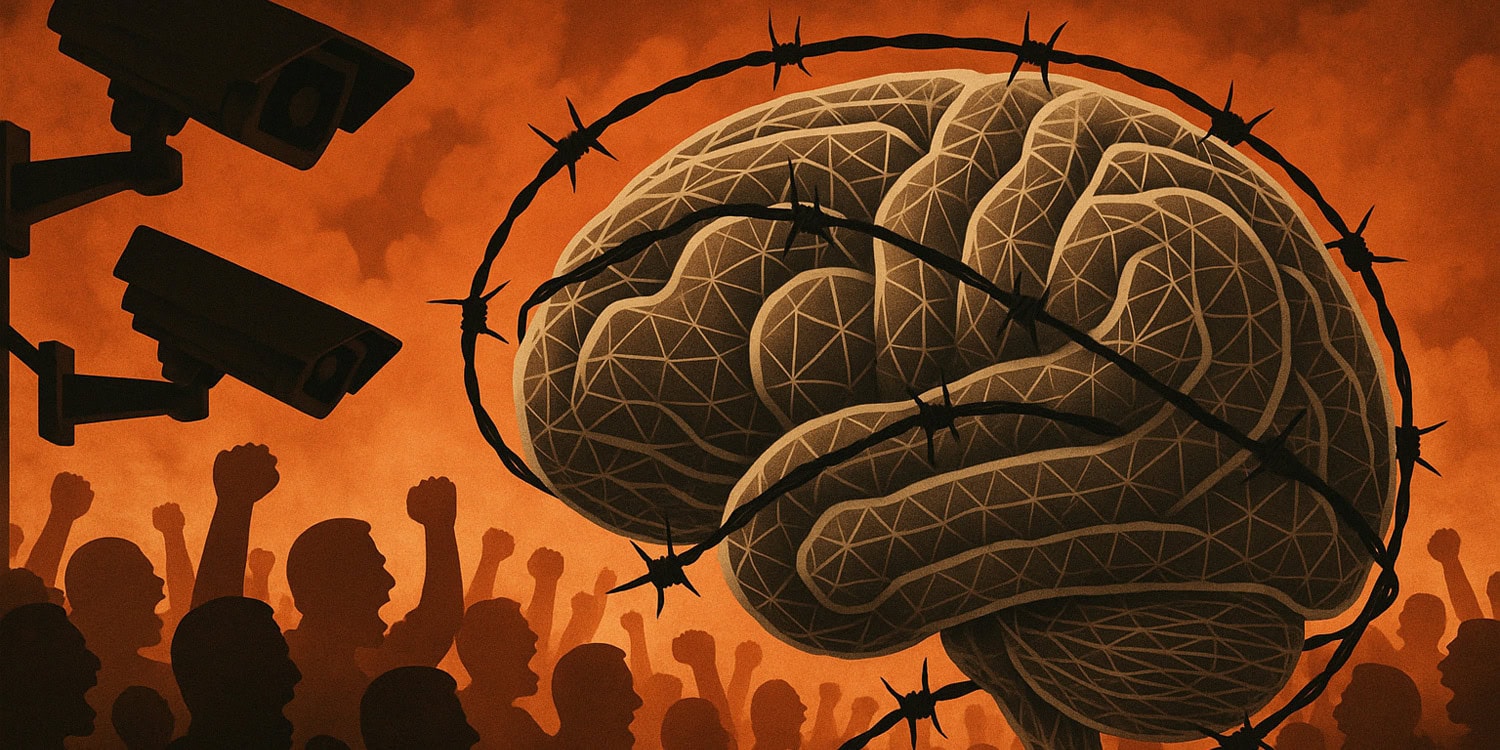
When is Political Violence Justified
What the Liberal Tradition Says on the Subject

Personal Knowledge : Towards a Post-Critical Philosophy
This study, first published in 1958, offers Michael Pol…


The marketplace of rationalizations
Recent work in economics has rediscovered the importance of belief-based utility for understanding human behaviour. Belief ‘choice’ is subject to an important constraint, however: people can only bring themselves to believe things for which they can find rationalizations. When preferences for similar beliefs are widespread, this constraint generates rationalization markets, social structures in which agents compete to produce rationalizations in exchange for money and social rewards. I explore the nature of such markets, I draw on political media to illustrate their characteristics and behaviour, and I highlight their implications for understanding motivated cognition and misinformation.
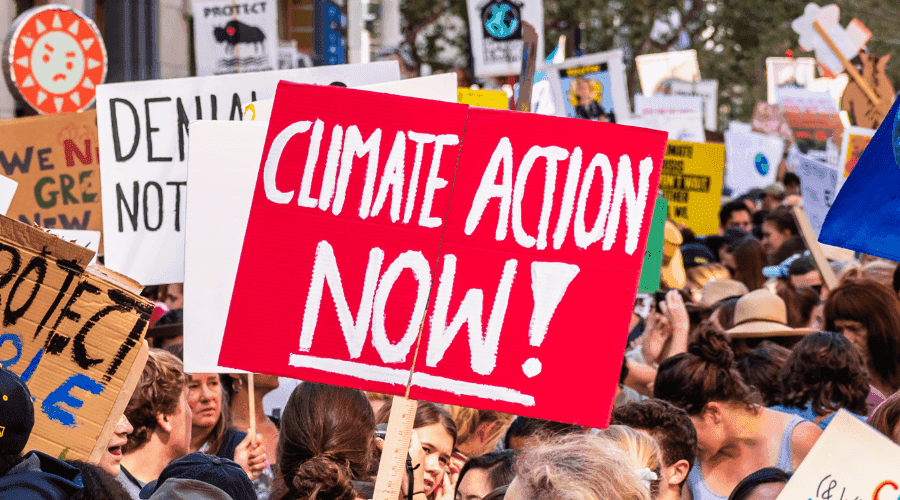
Quel rôle pour les politiques “symboliques” dans la lutte contre le dérèglement climatique ?
Une analyse de Théodore Tallent, Malo Jan et Luis Sattelmayer, doctorants au Centre d'études européennes et de politique comparée, pour le média Conférence de Sciences Po.
POLYBIUS ACI
Authoritarian Consolidation Index - Real-time democratic health monitoring powered by political science research and AI