


Richard Allen Posner is an American legal scholar and retired United States circuit judge who served on the U.S. Court of Appeals for the Seventh Circuit from 1981 to 2017. Posner was appointed by President Ronald Reagan, and he served as the chief judge of the Seventh Circuit from 1993 to 2000. A former law professor at the University of Chicago, Posner was identified in The Journal of Legal Studies as the most-cited legal scholar of the 20th century. As of 2021, he is also the most-cited American legal scholar of all time. He is widely considered to be one of the most influential legal scholars in the United States.
Litigation Tracker: Legal Challenges to Trump Administration Actions
A public resource tracking the legal challenges to the Trump administration's executive orders and actions.

OpenSanctions: Supreme Data on Supreme Leaders
The open-source database of sanctions, watchlists, and politically exposed persons — aggregating hundreds of sources and relied on by compliance teams, investigators, and journalists.
AI Hallucination Cases Database – Damien Charlotin
Database tracking legal cases where generative AI produced hallucinated citations submitted in court filings.
Litigation Tracker
Find legal challenges to executive orders and actions from the Trump administration.
Supreme Connections: Search Supreme Court Disclosures — ProPublica
Search Supreme Court financial disclosures for organizations and people that have paid justices, reimbursed them for travel, given them gifts and more.

WJP Rule of Law Index
Explore rule of law rankings for 143 countries in the WJP Rule of Law Index
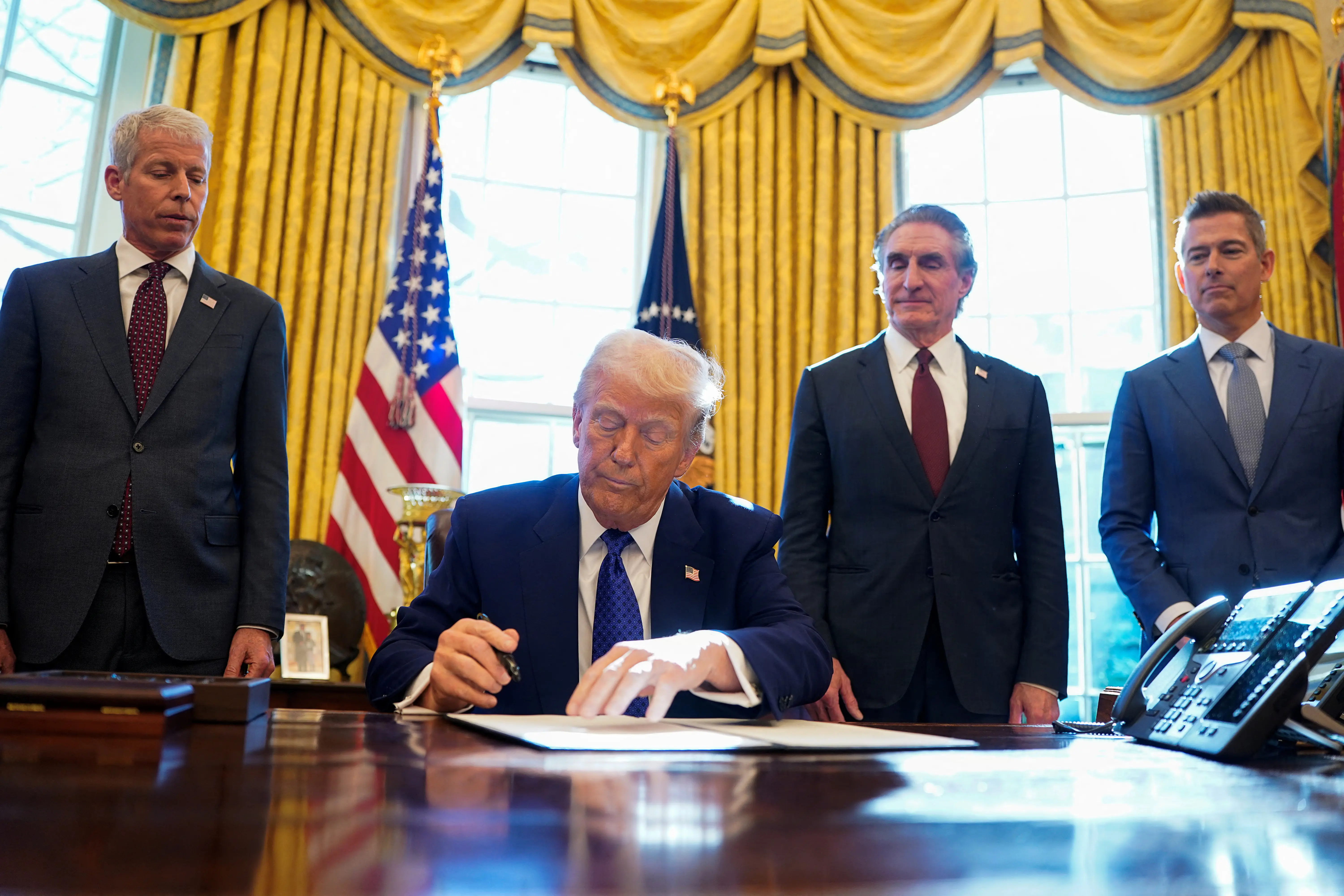
DOJ Withdraws NY Times Subpoenas After Judge Notices It Never Bothered To Follow The Rules For Subpoenaing Reporters
Just last week we had the story of the Trump DOJ issuing very questionable subpoenas of NY Times journalists while trying to track down who leaked information to those reporters regarding the poten…

Resources - National Immigration Law Center
Explore NILC’s resources. Check out expert-curated guides, toolkits, policy briefs, and more addressing key issues impacting immigrant communities.

Tracking regulatory changes in the second Trump administration | Brookings
How much regulation is happening under the Trump administration? This tracker helps you monitor a selection of delayed, repealed, and new rules, notable guidance and policy implementations, and important court battles covering energy, health, labor, and more.
Editor's Notes: Entering the Circular Firing Squad
Today, we published the second Alan Elrod article in a week on the toxic politics surrounding the Democratic candidate for Maine's Senate seat, Graham Platner. What's more, yesterday we published Katherine Alejandra Cross in a similar vein. Why the focus on Platner, when so much is at stake
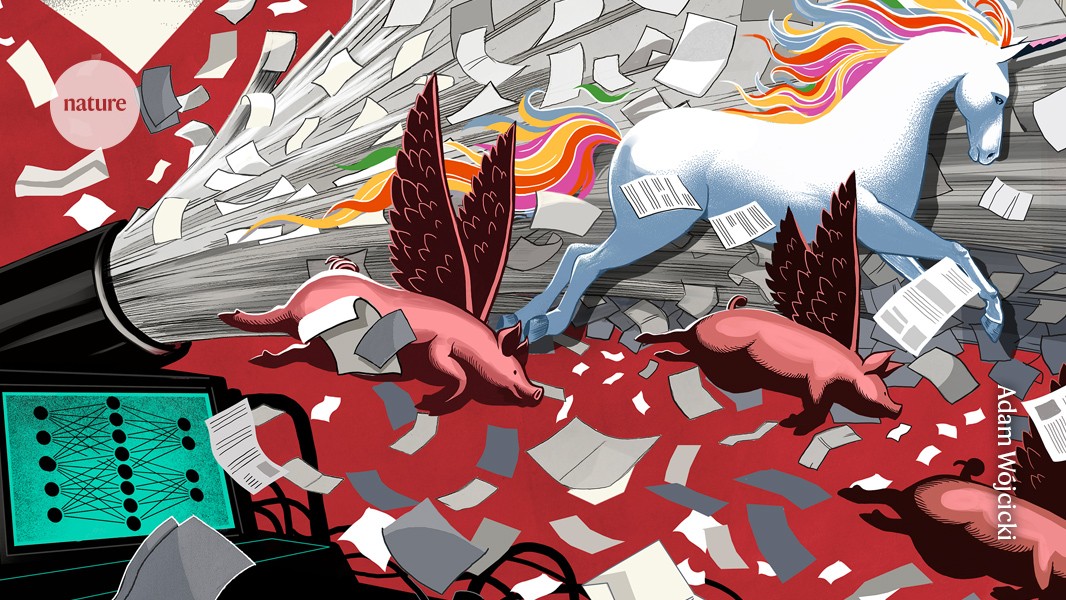
Hallucinated citations are polluting the scientific literature. What can be done?
Tens of thousands of publications from 2025 might include invalid references generated by AI, a Nature analysis suggests.
Web of Science Master Journal List - WoS MJL by Clarivate
Explore Financial Disclosures From President Trump and 1,500 of His Appointees - ProPublica
Use this database to explore potential conflicts of interest for President Donald Trump and his team. The documents disclose positions officials have held outside government, their assets and their debts, among other things.
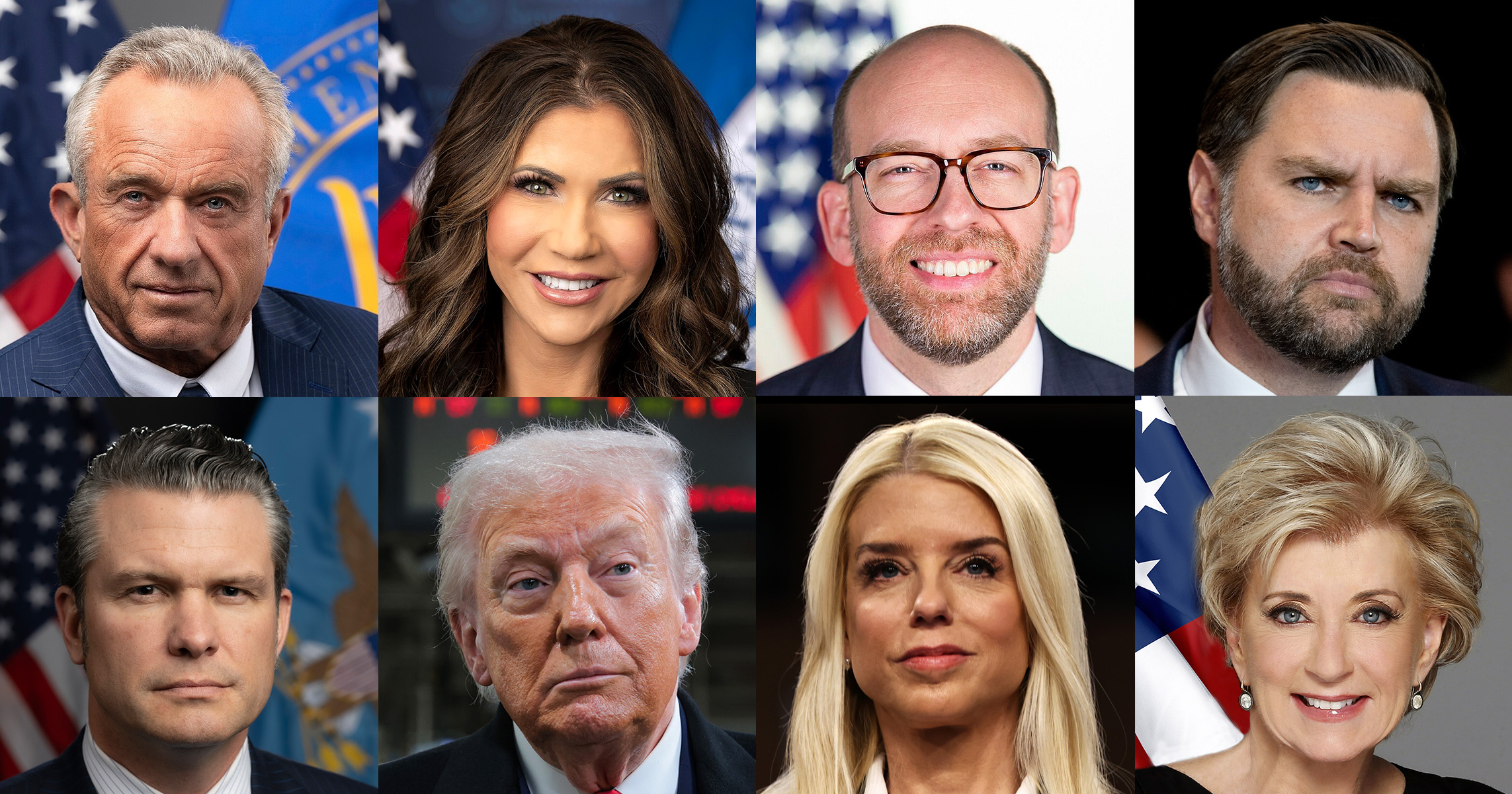
Curtis Yarvin: An Extremist Walks into a Sauna
Curtis Yarvin is the court philosopher for the reactionary right in the US. He recently met with leading intellectuals at a luxury hotel in the Alps. How did he fare?

History of philosophy
The history of philosophy is the systematic study of the development of philosophical thought. It focuses on philosophy as rational inquiry based on argumentation, but some theorists also include myth, religious traditions, and proverbial lore.
Robert Nozick’s Political Philosophy
Robert Nozick (1938–2002) was a renowned American philosopher who first came to be widely known through his 1974 book, Anarchy, State, and Utopia (1974),[1] which won the National Book Award for Philosophy and Religion in 1975. Pressing further the anti-consequentialist aspects of John Rawls’ A Theory of Justice, Nozick argued that respect for individual rights is the key standard for assessing state action and, hence, that the only legitimate state is a minimal state that restricts its activities to the protection of the rights of life, liberty, property, and contract. Despite his highly acclaimed work in many other fields of philosophy, Nozick remained best known for the libertarian doctrine advanced in Anarchy, State, and Utopia.