

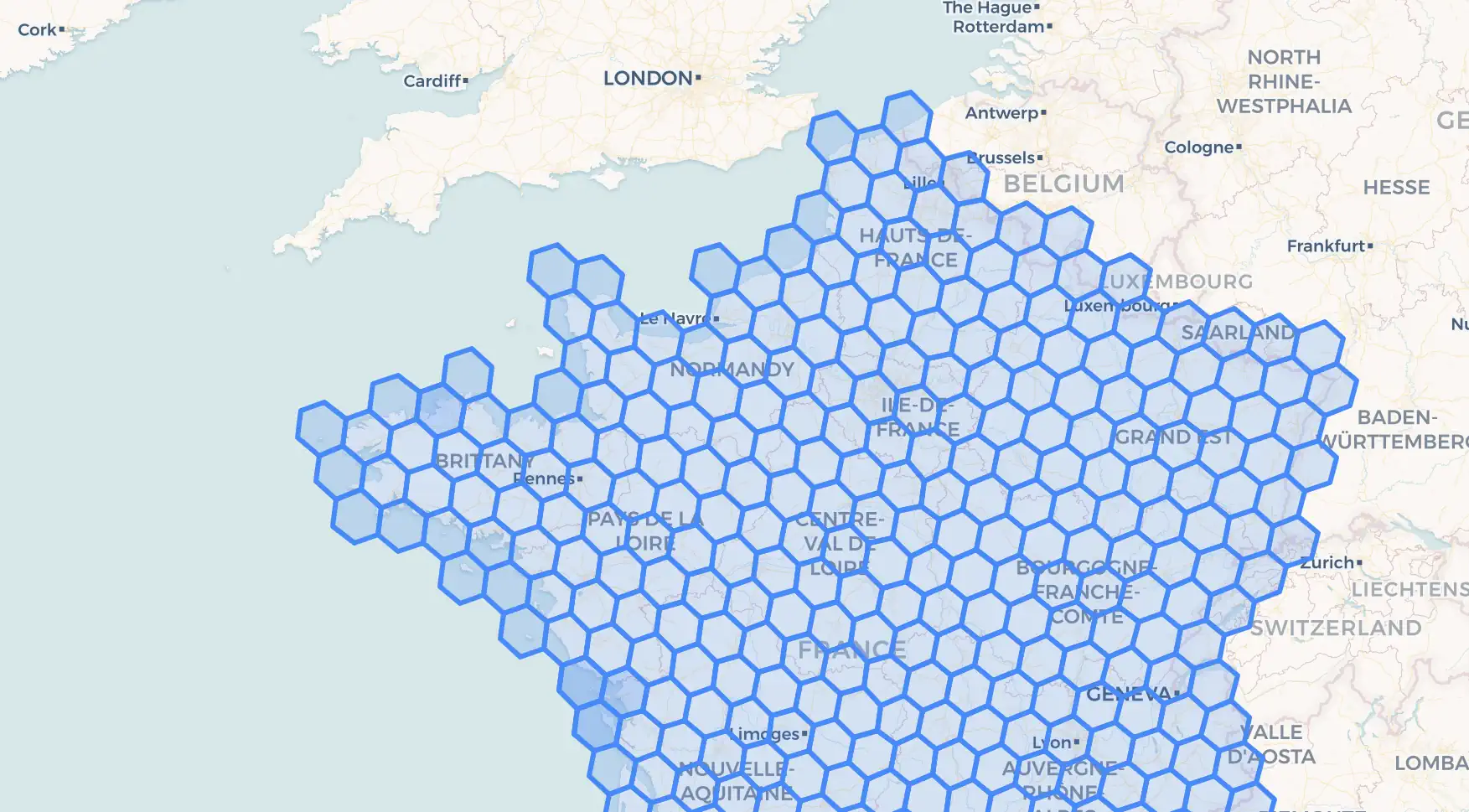
Using H3 indexes to greatly speed up geospatial SQL Queries. Orders of magnitude improvements can be gained with the right data structures
200 Milliseconds — the complete life of one HTTP request, visualized
A single HTTP request, traced in real time through DNS, TCP, TLS, the kernel, Node's event loop, and Postgres — then back to the pixel. Scroll distance equals time.
The Magic of Small Databases
Notes on personal libraries, collections and small indexes on the web
AWS re:Invent 2018: Amazon DynamoDB Under the Hood: How We Built a Hyper-Scale Database (DAT321)


WJP Rule of Law Index
Explore rule of law rankings for 143 countries in the WJP Rule of Law Index

The Age of PageRank is Over | Kagi Blog
When Sergey Brin and Larry Page came up with the concept of PageRank in their seminal paper The Anatomy of a Large-Scale Hypertextual Web Search Engine ( http://infolab.stanford.edu/pub/papers/google.pdf ) (Sergey Brin and Lawrence Page, Stanford University, 1998) they profoundly changed the way we utilize the web.
An update on leap seconds – Tony Finch
It has been a couple of years since my previous blog post about leap seconds, though I have been tweeting on the topic fairly frequently: see my page on date, time, and leap seconds for an index of threads. But Twitter now seems a lot less likely to stick around, so I’ll aim to collect more of my thinking-out-loud here on my blog.
Against SQL
But SQL is the only widely-used implementation of the relational model, and it is:
High Performance Git
High Performance Git by Ted Nyman, a book about Git internals and large Git repositories.
OWID Homepage
Research and data to make progress against the world’s largest problems.

Worlddata: The world in numbers
Statistics, comparisons and rankings: comprehensive geography and demography database on all countries in the world.
DatologyAI on Twitter / X
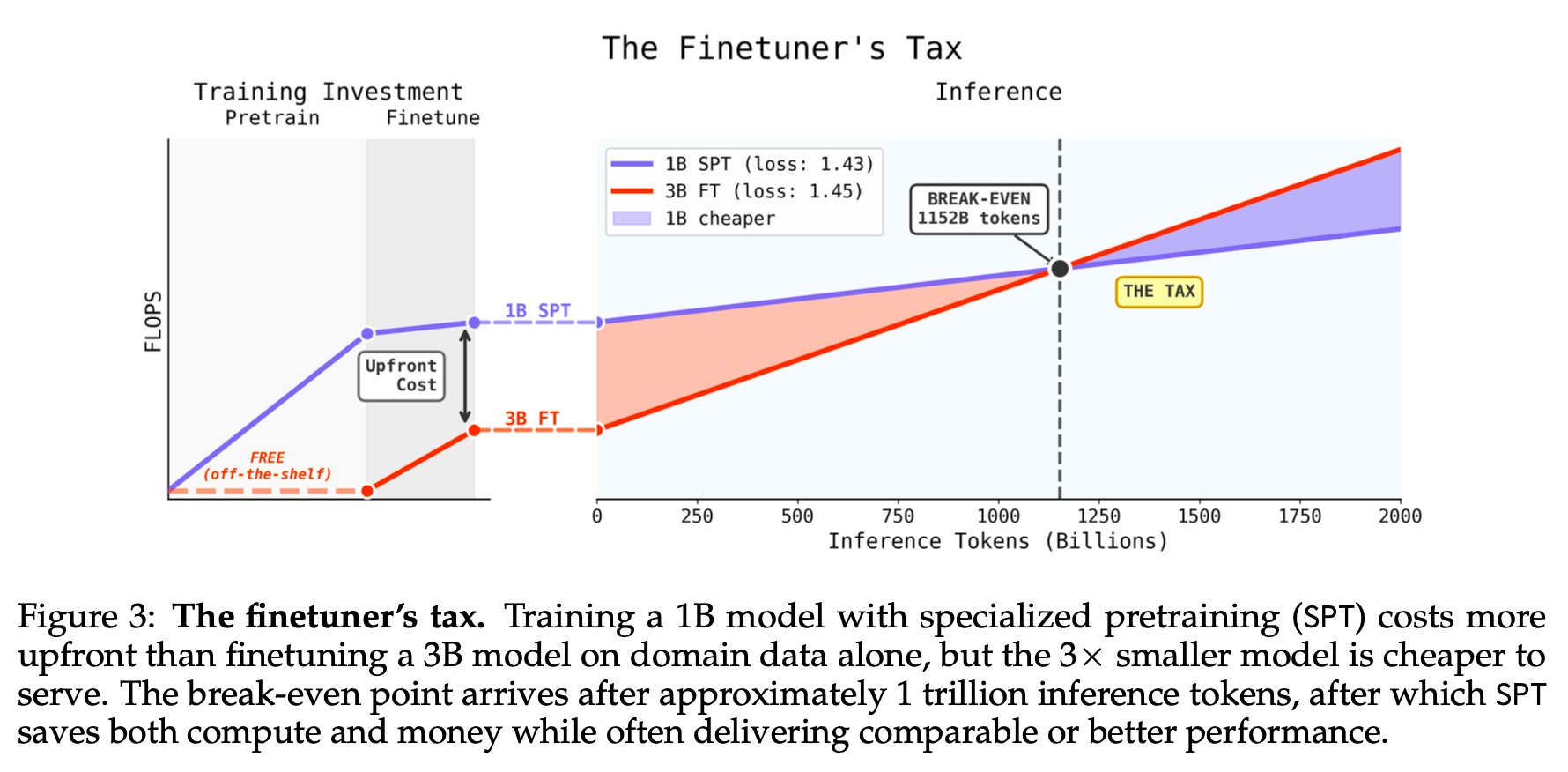
New Datology Research: We expose "The Finetuner's Fallacy"The standard approach to domain adaptation (pretrain on web data, finetune on your data) is leaving performance on the table.Mixing just 1-5% domain data into pretraining, then finetuning, produces a strictly better… pic.twitter.com/dXisEz96Vi— DatologyAI (@datologyai) March 18, 2026
An 8 Year Algorithm Nemesis: Analyzing long string trends in a body of text with suffix trees