Specifications do not address the limitations of agentic coding
Writing code is cheap now - Agentic Engineering Patterns - Simon Willison's Weblog
The biggest challenge in adopting agentic engineering practices is getting comfortable with the consequences of the fact that writing code is cheap now.
Agentic Engineering Patterns - Simon Willison's Weblog
Patterns for getting the best results out of coding agents like Claude Code and OpenAI Codex. See my introduction for more on this project.
Does Code Cleanliness Affect Coding Agents? A Controlled Minimal-Pair Study
As autonomous coding agents see rapid adoption, their evaluation has primarily focused on task completion rates holding the target codebase fixed. This leaves a critical question unanswered: does the structural and stylistic quality, or ``cleanliness'' of the underlying code affect an agent's ability to navigate and modify it? To isolate the effect of code cleanliness from agent capability, we introduce an evaluation protocol built around minimal pairs: repositories that match on architecture, dependencies, and external behaviour, but differ on static-analysis rule violations and cognitive complexity. The pairs are constructed in both directions, by agent pipelines that either degrade a clean repository or clean a messy one. We author 33 tasks across six such pairs, evaluated through hidden tests at the application's public surface. Across 660 trials with Claude Code, code cleanliness does not change the agent's pass rate. However, it substantially alters the agent's operational footprint: agents working on cleaner code use 7 to 8% fewer tokens and reduce file revisitations by 34%. Our findings suggest that traditional maintainability principles remain highly relevant in the era of AI-driven development, shaping the computational cost and navigational efficiency of coding agents. Code cleanliness joins model choice, harness, and prompting as a factor that materially affects agent behaviours.

The Coding Agent Data Deal
On user data control, coding agents as retrievers, and the value of your coding transcripts

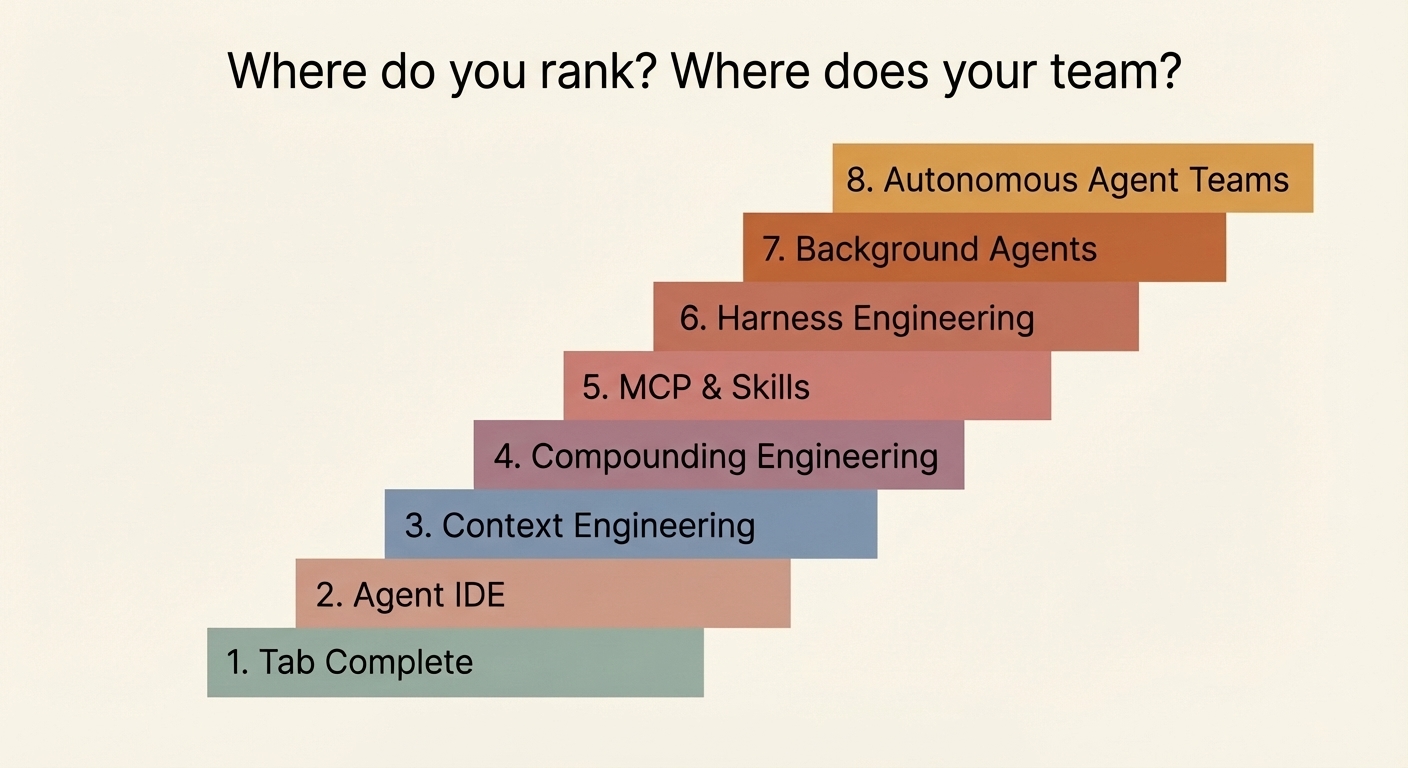
The 8 Levels of Agentic Engineering — Bassim Eledath
AI's coding ability is outpacing our ability to wield it effectively. That gap closes in levels — 8 of them. Here's the progression from tab complete to autonomous agent teams.
Agentic coding and persistent returns to expertise
Anthropic is an AI safety and research company that's working to build reliable, interpretable, and steerable AI systems.
Agentic manual testing - Agentic Engineering Patterns
Agentic manual testing - Agentic Engineering Patterns
Gas Town’s Agent Patterns, Design Bottlenecks, and Vibecoding at Scale
On agent orchestration patterns, why design and critical thinking are the new bottlenecks, and whether we should let go of looking at code
Writing about Agentic Engineering Patterns
I’ve started a new project to collect and document Agentic Engineering Patterns—coding practices and patterns to help get the best results out of this new era of coding agent development …
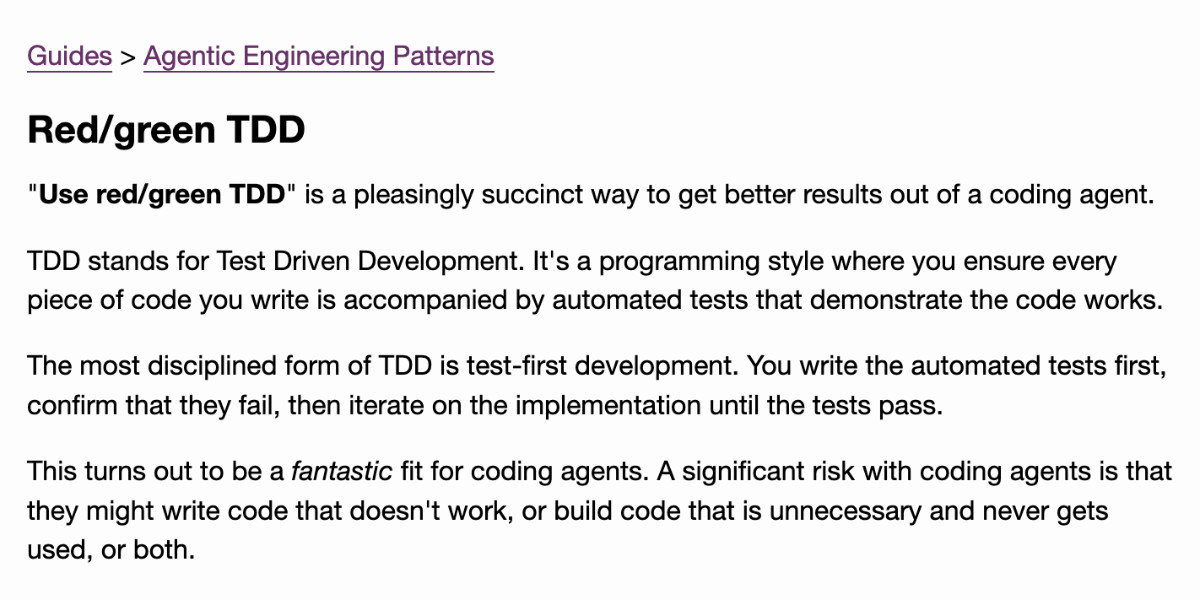
AI should help us produce better code - Agentic Engineering Patterns
AI should help us produce better code - Agentic Engineering Patterns
The 80% Problem in Agentic Coding
Managing comprehension debt when leaning on AI to code
Running local models is good now
Local agentic coding has gotten great over the past few months
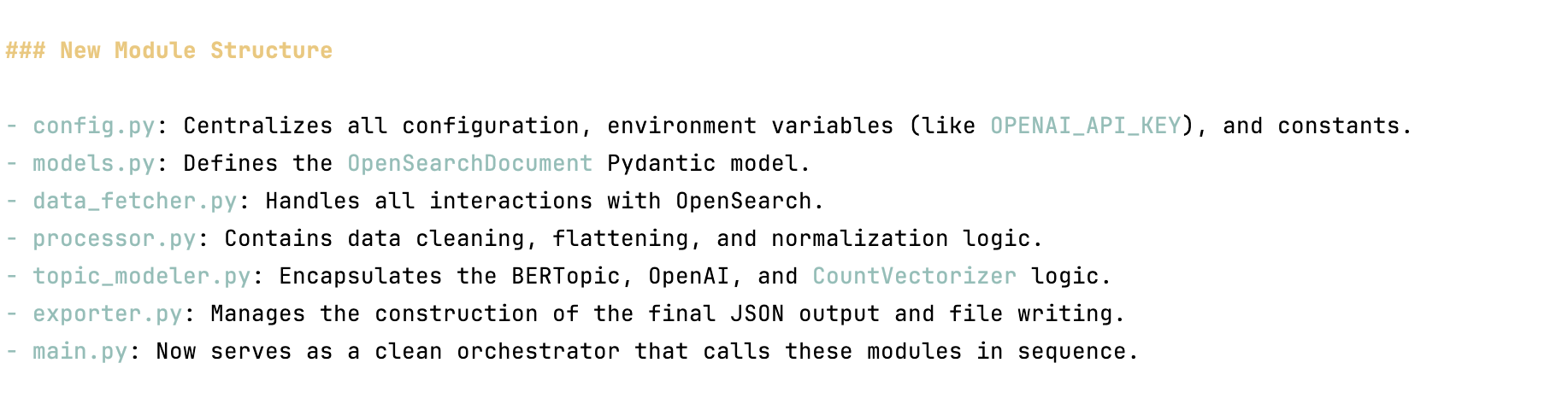
Note on 24th September 2026
The more time I spend working with coding agents, the more convinced I am that they make software engineering even harder. We can do amazing things with them, but unlocking …
Why AI hasn’t replaced software engineers, and won’t
Coding agents as normal technology
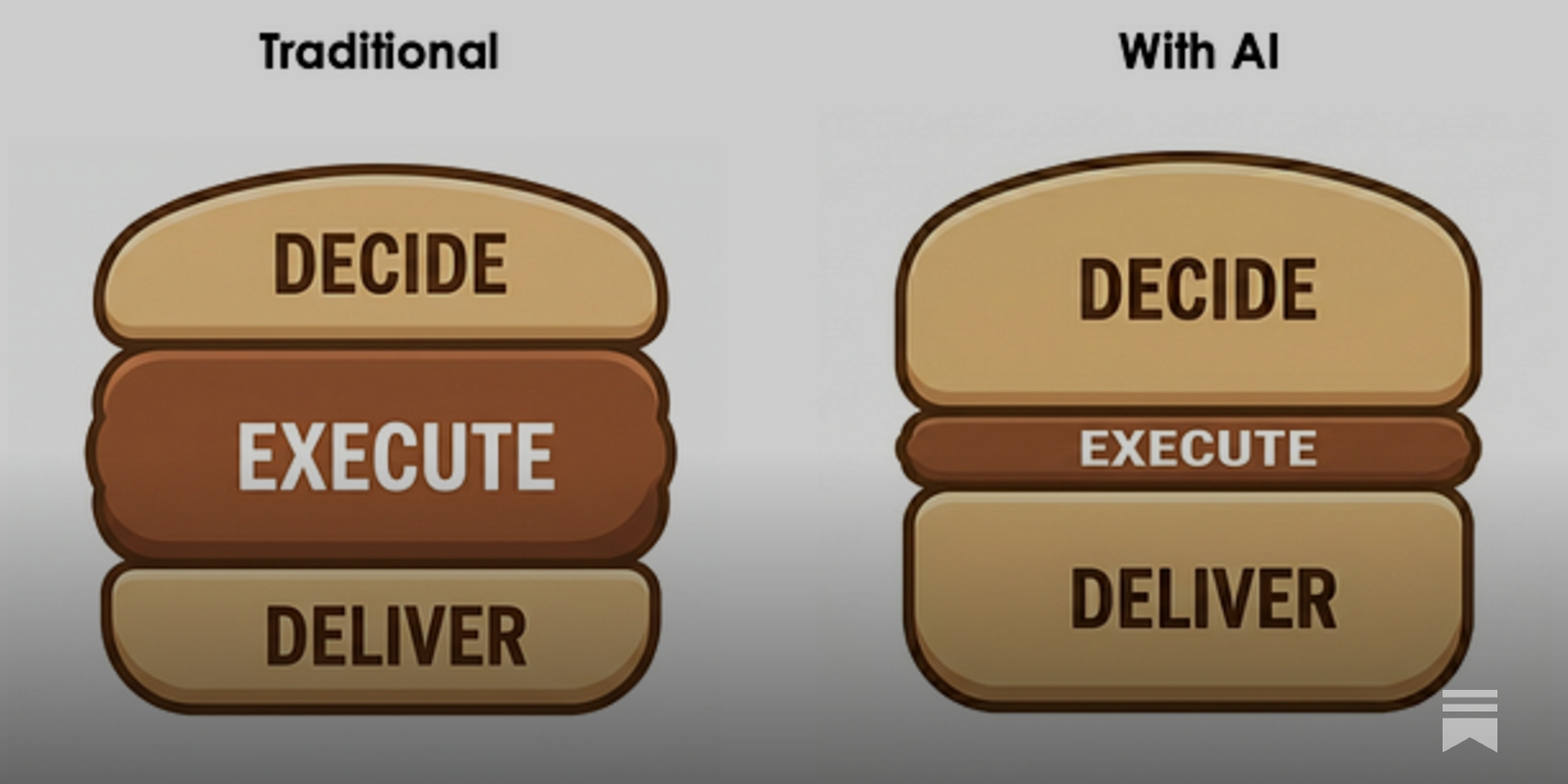
No Coding Before 10am | Michael Bloch
Engineering is no longer about writing code. Here is one startup's playbook for building in the AI agent era.

Cognition | Agent Trace: Capturing the Context Graph of Code
We’re excited to join in Cursor, Cloudflare, Vercel, git-ai, OpenCode and others in support of [Agent Trace](https://agent-trace.dev/). As described in the spec, Agent Trace is an open, vendor-neutral spec for recording AI contributions alongside human authorship in version-controlled codebases.