This year, one of my aspirations is to rely less on the big streaming services for my entertainment. Why? Well, for one thing, if we give too much power to large corporations by getting overly …
You Have Nothing To Lose But Your Convenience
On internet radio and relinquishing control.
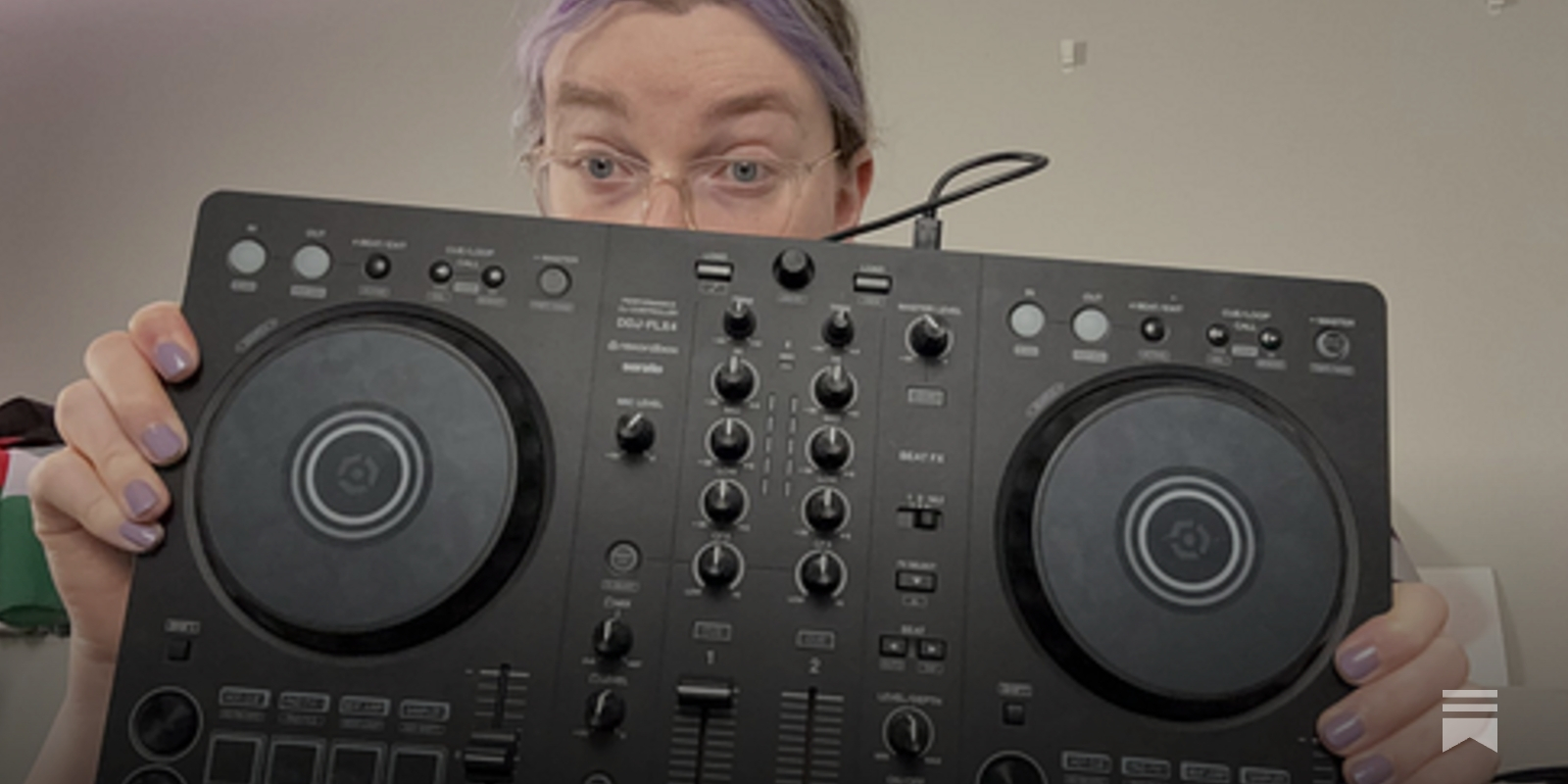
The promise of ATproto is social media without corporate overlords
Become the Thousand Servers · Sabot Media
Media Ownership Monitor
Mass media influences how facts are viewed and debated in a society, contributing to crafting its public opinion. Independence and pluralism...

Who Owns the Media
Who owns the 35 most powerful media companies in America? The Media Capitulation Index shows how these conglomerates came to dominate the U.S. media landscape. Using a chicken scale, Free Press rates their ability to defend democracy during a time of authoritarianism.
The death of physical media only benefits corporations
Sony delivers the latest nail in physical media's coffin.

BETTER THAN FREE | Edge.org
This super-distribution system has become the foundation of our economy and wealth. The instant reduplication of data, ideas, and media underpins all the major economic sectors in our economy, particularly those involved with exports — that is, those industries where the US has a competitive advantage. Our wealth sits upon a very large device that copies promiscuously and constantly.
Web Browsers, AI, and the Politics of Media Power
The left keeps building media strategies on top of platforms built to undermine them. As browsers are rebuilt for mass surveillance and manipulation, the systems that decide what people see and who gets heard are being rewritten without us. Control over the browser is control over political reality.

The Internet Transition
The Internet is allowing us to build a richer, more complex society but the way in which we Internet today is failing to support the governance systems that a more complex world requires. I take a look at why these issues are related, try to develop an intuition for a way forward, and point at the emerging field that is coming together to build that future.

Implicit Feudalism — Rushkoff Archive
Too many of us think it doesn’t matter when a platform like X/Twitter has a single, all-powerful owner. Most of our online worlds are simply run by what we hope are benevolent dictators. After all, we figure, if we don’t like what they’re doing or allowing, we can just leave, right? But in most cases we’re just jumping from one rich dude’s idea for how the world should be to another rich dude’s idea for how the world should be.
Why I'm betting on ATProto (and why you should, too)
Social media was supposed to connect us, but most of it has turned into ads, division, and loneliness. I'm betting on ATProto as a way to fix that, and not just for developers. Whether you're a scientist, journalist, or just someone who wants the internet to feel human again, I think ATProto matters for you too.
R. S. Doiel, Software Engineer/Analyst — Robert's ramblings
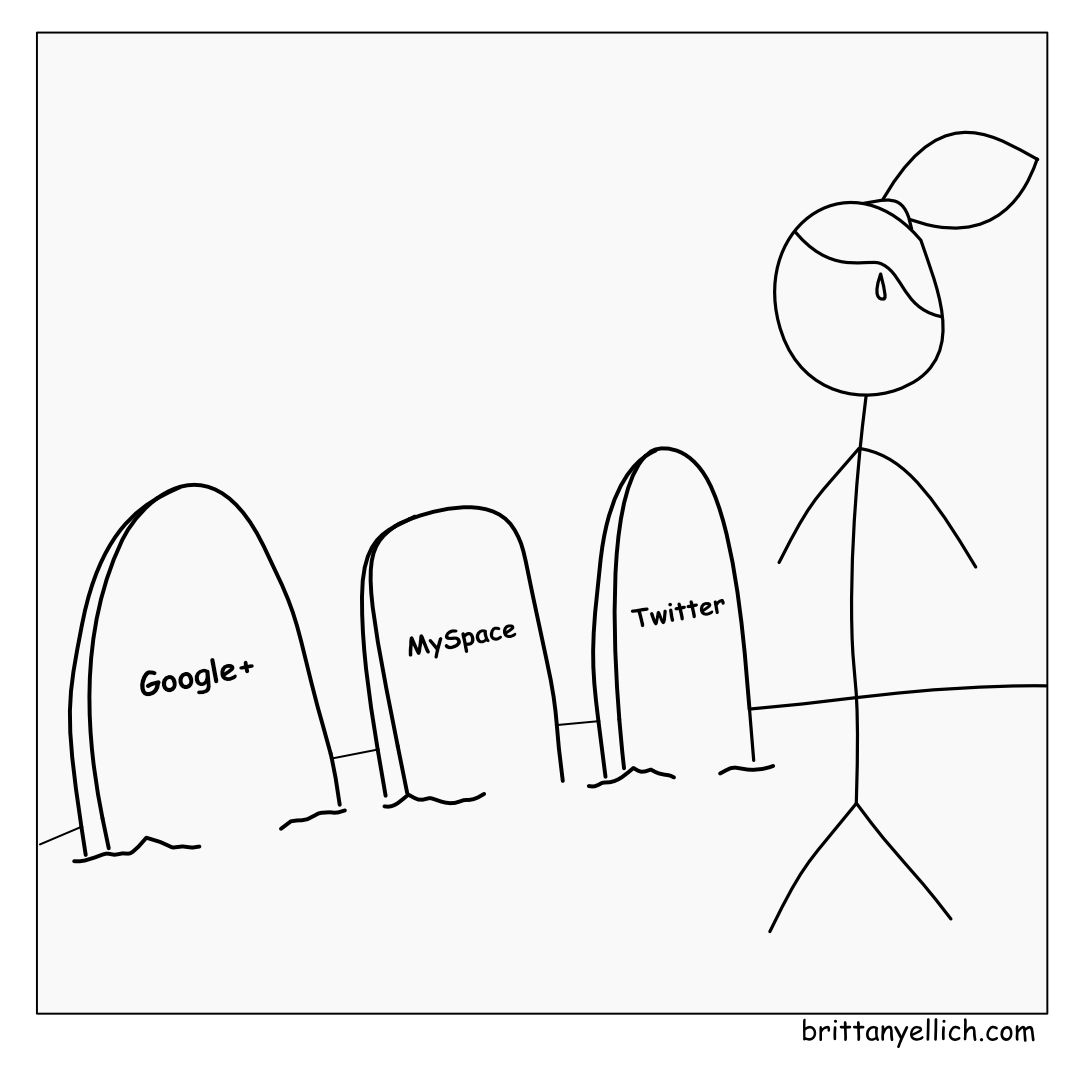
Today the Web and Internet is owned and controlled by large for profit corporations and a few governments1. Corporate ownership combined with government policies has left us as tenant and product. It has given us a surveillance economy and enshittification2.
W-Social: What does sovereignty mean for social media? – Open Future
The European Commission’s move to W-Social frames it as a European alternative to X, but its closed-source code and reliance on Bluesky’s infrastructure show that sovereign social media requires open infrastructure—not European ownership alone.
The Public Interest Internet
What if the internet were public interest technology? Is that too wildly speculative? I think not. I am not talking about a utopian project here — a public interest internet would be a glorious imperfect mess and it would be far from problem-free. But while there is a lot of solid thinking about various digital issues or pieces of internet infrastructure (much of which I rely upon here), I have yet to read to an answer to this question: What global digital architecture should we assemble if we take seriously the idea that the internet should be public interest technology?