


The normal technology frame is about the relationship between technology and society. It rejects technological determinism, especially the notion of AI itself as an agent in determining its future. It is guided by lessons from past technological revolutions, such as the slow and uncertain nature of technology adoption and diffusion. It also emphasizes continuity between the past and the future trajectory of AI in terms of societal impact and the role of institutions in shaping this trajectory.
A Real Political Economy of Technology - The Ideas Letter
Two technological futures are competing for political and material priority: generative AI and the green transition. Benanav argues that while AI is marketed as a world-reordering breakthrough, its productivity gains…
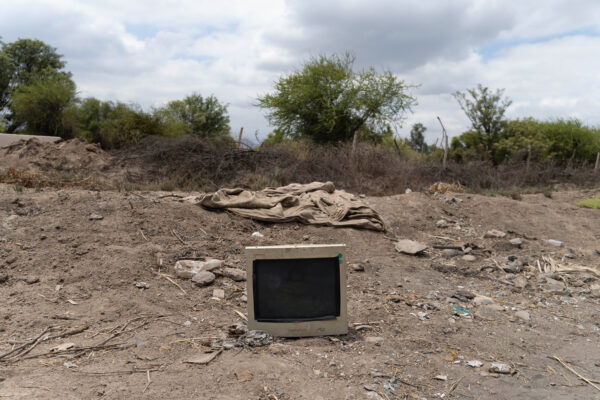
Field Theory: AI as Social Science Question, Object & Tool
Uses of advanced artificial intelligence are changing how societies organize labor, govern, produce knowledge, and make meaning. In light of these developments, this essay argues that AI models, tools, and systems pose three interrelated imperatives for social science: they demand renewed attention to social theories of how technology, human experience, and social order are entangled; they require study as objects of inquiry in their own right; and they offer capabilities that may transform—or upend—the practice of social investigation itself. From Weber’s analysis of rationalization to Du Bois’s study of technology and inequality to contemporary scholarship on algorithmic governance, the essay examines what social science distinctively offers: the capacity to historicize the apparently unprecedented, to trace connections across scales, and to center those most affected by technological change. It identifies how algorithmic systems are remaking the distribution of opportunity and risk as a central task of social inquiry and asks what futures social science might help bring into being.
The Future Is Not Tech-Forward
On artificial intelligence, data centers, technological politics, and who gets to build the future.

The Future of AI Should Serve People, Not Platforms - The Liquid Frontier
AI, I tried to love you – Writings and rehearsals by Nathan Schneider
Among my peers who study the cultures and economies surrounding technology, I often find myself more tech-positive than most. On the whole I like computers, like the internet, and like in general the emergent human creativity that these things have enabled and revealed. A source of my appreciation is that I expend a lot of effort on the practice of “slow computing,” which is to say, choosing tools and technical communities that I can feel in right relationship with. I tend to approach new socio-technologies (like gig economies, blockchains, and social media) not from a perspective of why is this so bad? so much as asking how could we do this right?

AI Is a Product of Humanity. Humanity Should Own AI.
Big Tech has looted humanity’s creative output to create artificial intelligence. We don’t just deserve a share of AI’s profits — we deserve control over it.

The Socialist Charcuterie Board - The Ideas Letter
Taking issue with Benanav’s institutional vision of a democratic political economy of technology, Morozov argues that generative AI exposes a deeper problem that socialism has yet to solve: how to…
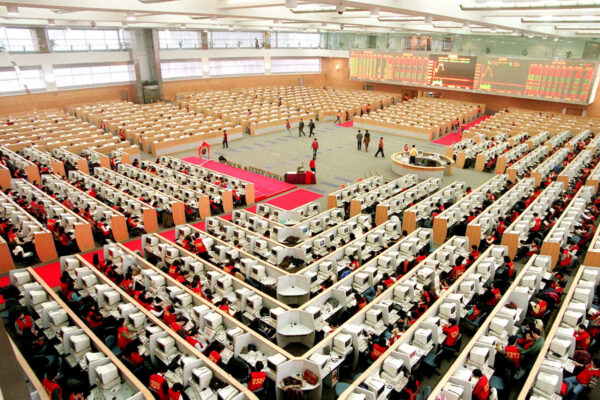
Something Big Is Happening
A personal note for non-tech friends and family on what AI is starting to change.

Dario Amodei — The Adolescence of Technology
Confronting and Overcoming the Risks of Powerful AI
Europe 2031 — What getting AI wrong means for us
A five-year scenario about AI and Europe's impending slide into irrelevance, with a 2034 epilogue that describes how the collapse of the European model could have been prevented.
Resetting on engineering expectations in the age of AI
I’m accepting new sponsorships for The Modern Leader for 2026. If you’re interested (or you think your company may be interested), you can learn more here.
Dangerous Technology For Americans Only
AI nationalism, safety and European weakness.
Why AI hasn’t replaced software engineers, and won’t
Coding agents as normal technology
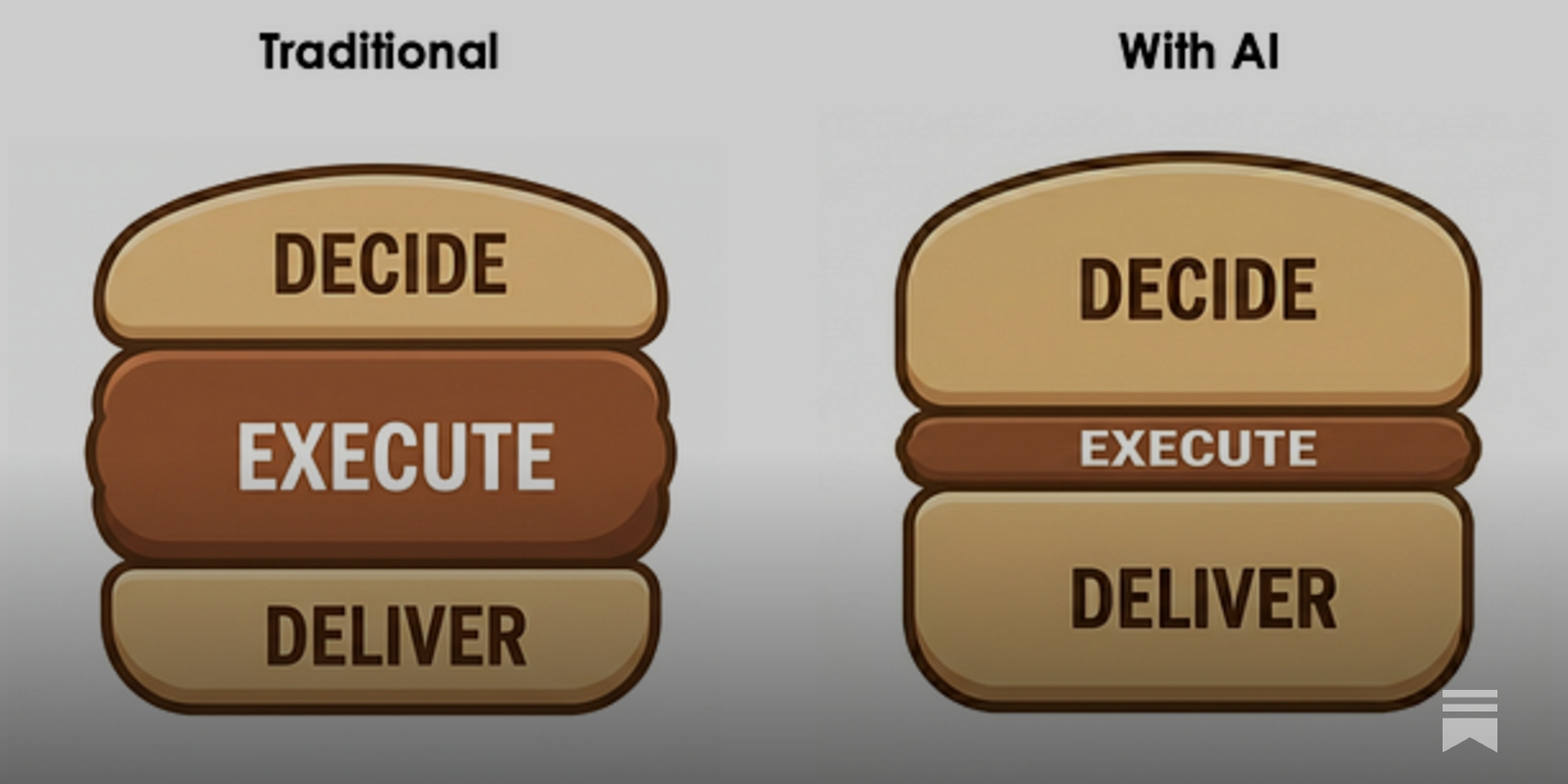
AI demands more engineering discipline. Not less
If you lived through the shift from handcrafted server pets to immutable infrastructure, you should sense something oddly familiar about what's happening now.
The Singularity Is Not What It Seems
Whatever the AI future is, we’re in it right now.
The Singularity Is Not What It Seems
Whatever the AI future is, we’re in it right now.