

Online crime loves legal massive data collection, grey systems, and jurisdictional gaps. Privacy-first design can actually reduce crime exposure and build trust in digital services. It is also central to the EU's tech autonomy: build systems aligning with European rights and risk models. Do not rely on foreign platforms or copy outside practices that might go against the EU values and needs.
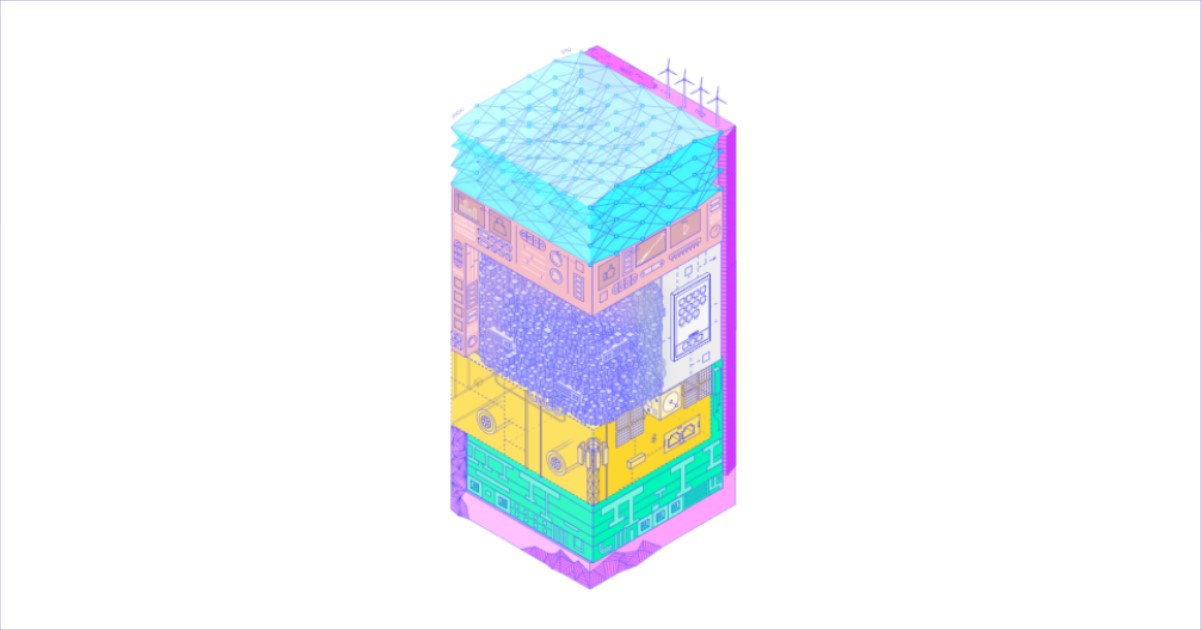
Shaping Europe’s digital future
The Digital Strategy website provides updates and resources on EU policies key to the digital transformation.
W-Social: What does sovereignty mean for social media? – Open Future
The European Commission’s move to W-Social frames it as a European alternative to X, but its closed-source code and reliance on Bluesky’s infrastructure show that sovereign social media requires open infrastructure—not European ownership alone.

Digital Sovereignty
Digital sovereignty has a bad reputation. In internet governance circles, sovereignty is considered awkward enough to be referred to by as the "s-word." It is often associated with misguided attempts at returning to the era of national champions, like building a French search engine or a European Google, or worse with the eternal boogeyman that is the "splinternet." It doesn't have to be this way!

European Alternatives
We help you find European alternatives for digital service and products, like cloud services and SaaS products.
Privacy, human rights, and Tornado Cash
I am more worried about privacy than crypto crime.

A Cypherpunk's Manifesto
Privacy is necessary for an open society in the electronic age. Privacy is not secrecy. A private matter is something one doesn't want the whole world to know, but a secret matter is something one doesn't want anybody to know. Privacy is the power to selectively reveal oneself to the world.
eurosky
Eurosky exists because Europe needs technological sovereignty and democratic resilience in its digital infrastructure.

From Brussels Template to UK Tailoring: How the DMCCA Is (Re)writing the Rules for Big Tech - The Platform Law Blog
By Dr. Konstantina Bania The UK has built a “rival” to the EU’s Digital Markets Act – and it is now starting to use it. Under the Digital Markets, Competition and Consumers Act (DMCCA), the Competition and Markets Authority (CMA) is moving from abstract principles to concrete, platform‑specific rules for some of the most powerful […]

Every Country Has Its Own Internet Now
A patchwork of privacy laws, teen social media bans, and "digital sovereignty" pushes means the Internet you see depends entirely on where you're standing.

Eurosky is collaborating with SPRIND to test a non-toxic algorithm for the first time - Eurosky
Eurosky is a European initiative to build and operate sovereign social web infrastructure
The Paradox of Open
Numerous organisations and initiatives have been launched with a belief in openness and free knowledge. Their proponents placed their bets on the combined power of networked information services and new governance models for the production and sharing of content and data. We – as members of this broad movement – were among those who believed it possible to leverage this combination of power and opportunity to build a more democratic society, unleashing the power of the internet to create universal access to knowledge and culture. For us, such openness meant not only freedom, but also presented a path to justice and equality.
Europe’s spies are learning to trust each other — thanks to Trump
Doubts over transatlantic intelligence-sharing is bringing European intelligence agencies closer together.

🇪🇺🌐 The future of social media may be decided in Europe
A survey of European AT Protocol projects, including 4 mini case-studies
Introducing ONCE
Once upon a time you owned what you paid for, you controlled what you depended on, and your privacy and security were your own business. We think it’s that time again.
Incoming Dutch coalition floats European version of ‘Five Eyes’
New government says rising threats require faster and more proactive intel services.
