

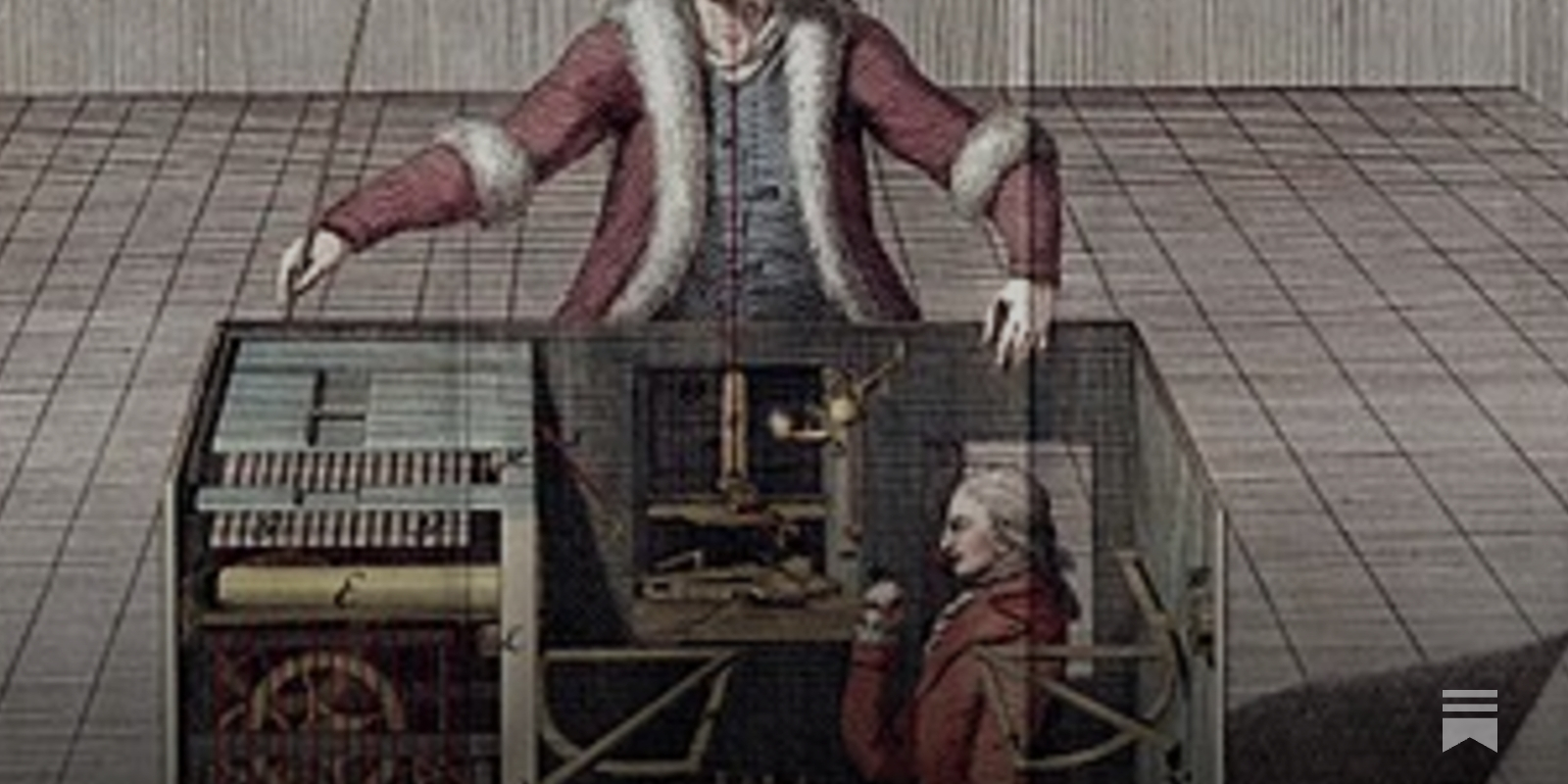
On a weird few weeks of A.I.-writing scandals
Writers at Risk Archive
PEN America champions the freedom to write, recognizing the power of the word to transform the world. The bedrock work of the global PEN network is advocacy and assistance on behalf of individuals persecuted for their use of the written word or other forms of expression. PEN America’s Writers at Risk Database is a searchable catalog of the writers, journalists, academics, public intellectuals and others under threat around the world. The database includes historical cases PEN America has worked on from 1987 onwards; non-active cases are color-coded black. PEN America is grateful to the John Templeton Foundation for support that enabled the establishment of the Writers at Risk Database and to PEN International for their collaboration in assembling this database.

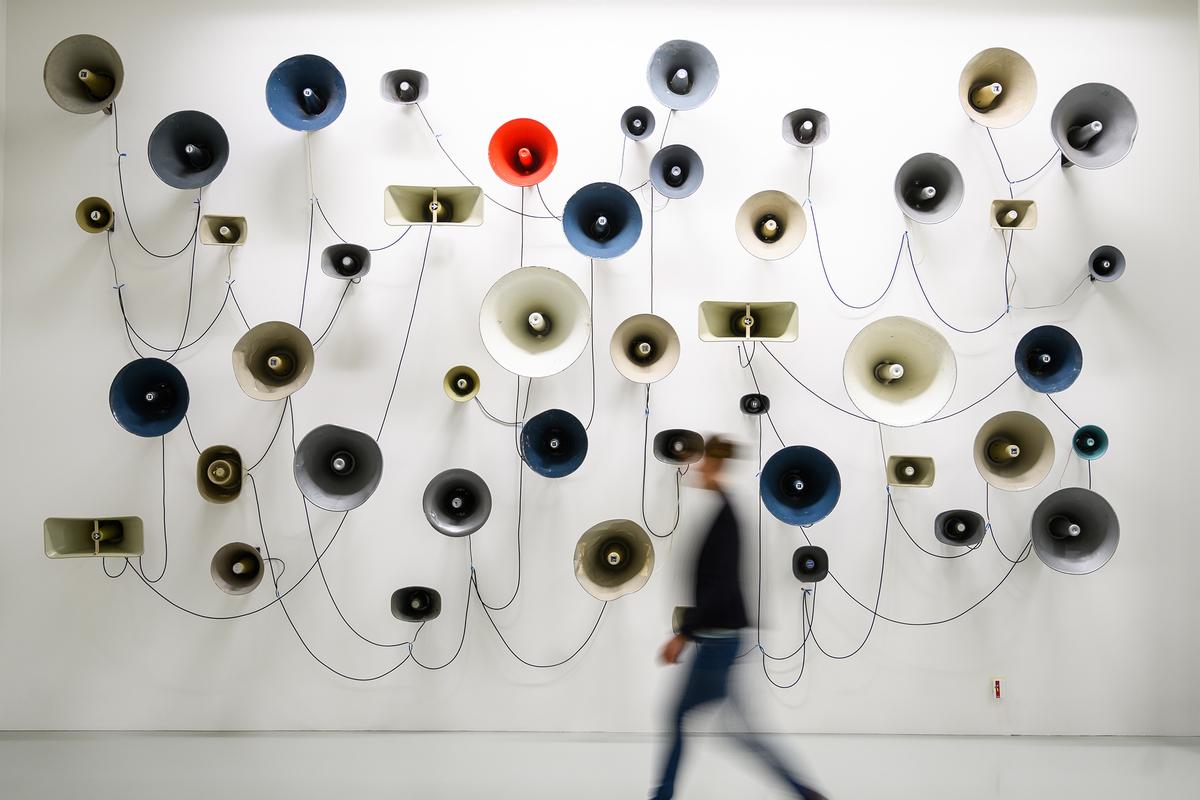
AI Safety Is a Narrative Problem · Special Issue 5: Grappling With the Generative AI Revolution
This op-ed explores power and narrative dynamics around AI. Drawing on pop-culture references, the professional experiences of the author and examples from 2023’s “Great AI Safety Hype Roadshow,” this piece draws on the literary criticism technique of practical criticism to consider how speeches and announcements from both Silicon Valley executives and research scientists to interrogate the media-friendly nature of p(doom) discourse—which focuses on the existential risks of AI (PauseAI, 2023)—and its likely consequences. The complexities of AI and its numerous social impacts can be difficult for even the most expert analyst to unpack. In spite of this, the potential of “existential threats” has successfully cut through to become a mainstay of mainstream media coverage over the last year. This piece will make the case that this is an effective narrative conceit that has achieved a number of ends that traditional science communication tends to find difficult, if not impossible, to achieve. Firstly, it is easy to understand. Simplification of this nature—that removes jargon and complexity and focuses on a single outcome—is much easier to fit on a TV rolling news ticker or on the cover of a tabloid newspaper than more well-balanced, representative opinions. Secondly, it inherits prior assumptions from well-known dramatic forms. P(doom) plays to stories familiar from Greek tragedy through to Marvel movies, in which lone male heroes battle ineluctable forces. Thirdly, it is imbued with urgency and so becomes difficult to ignore.

The revolt of the reader | The Observation Deck
Reading is important to me. While I’m not a quick reader nor an especially voracious one, I have found that long-form reading has had a profound influence on me over my life. And because reading is important to me, writing is too: writing not only allows us to convey our ideas, but the very act forces us to test and distill them — at once making our ideas more robust while providing the vehicle by which to share them.
Literature fans should welcome AI as a fellow wordsmith | Aeon Essays
Strong resistance to AI among writers is understandable. But it obscures what we share with the machines: language itself
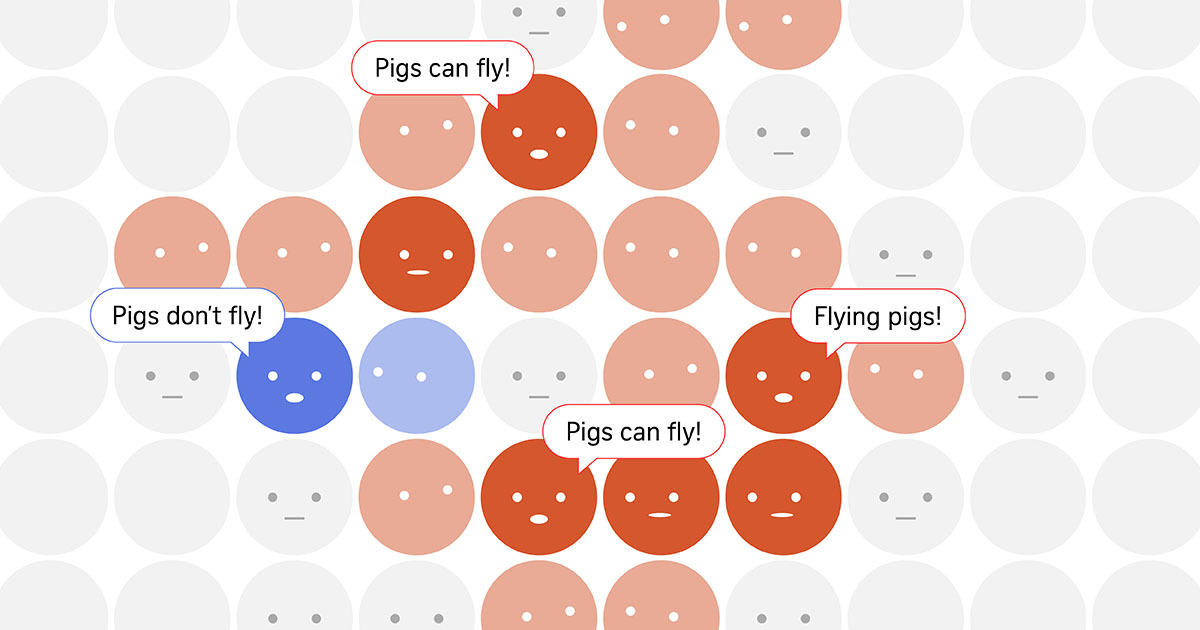
Fake news spreads like an epidemic. Here’s how to stop it.
Researchers study fake news the same way they study the spread of disease. When misinformation “goes viral”, it is not just a metaphor. It is what’s actually happening. via @straits_times str.sg/viz-misinformation
Wikipedia:Signs of AI writing
This is a list of writing and formatting conventions typical of AI chatbots such as ChatGPT, with real examples taken from Wikipedia articles and drafts. It is a field guide to help detect undisclosed AI-generated content on Wikipedia: while some of the signs may be broadly applicable, some may not apply in a non-Wikipedia context.[a] Not all text featuring these indicators is AI-generated, as the large language models that power AI chatbots are trained on human writing, including Wikipedia. Many elements of AI writing can be found in editorials, blogs, or fan fiction.
The Missing File: How A/I Became a U.S. Counterterrorism Target
We traced the policy, media, congressional and sanctions trail. One bureaucratic handoff is still hidden.
New_ Public | After the Feed
What happens after the social media feed? A presentation on the future of conversation, community, and social connection, and how AI will affect the everyday lives of billions.
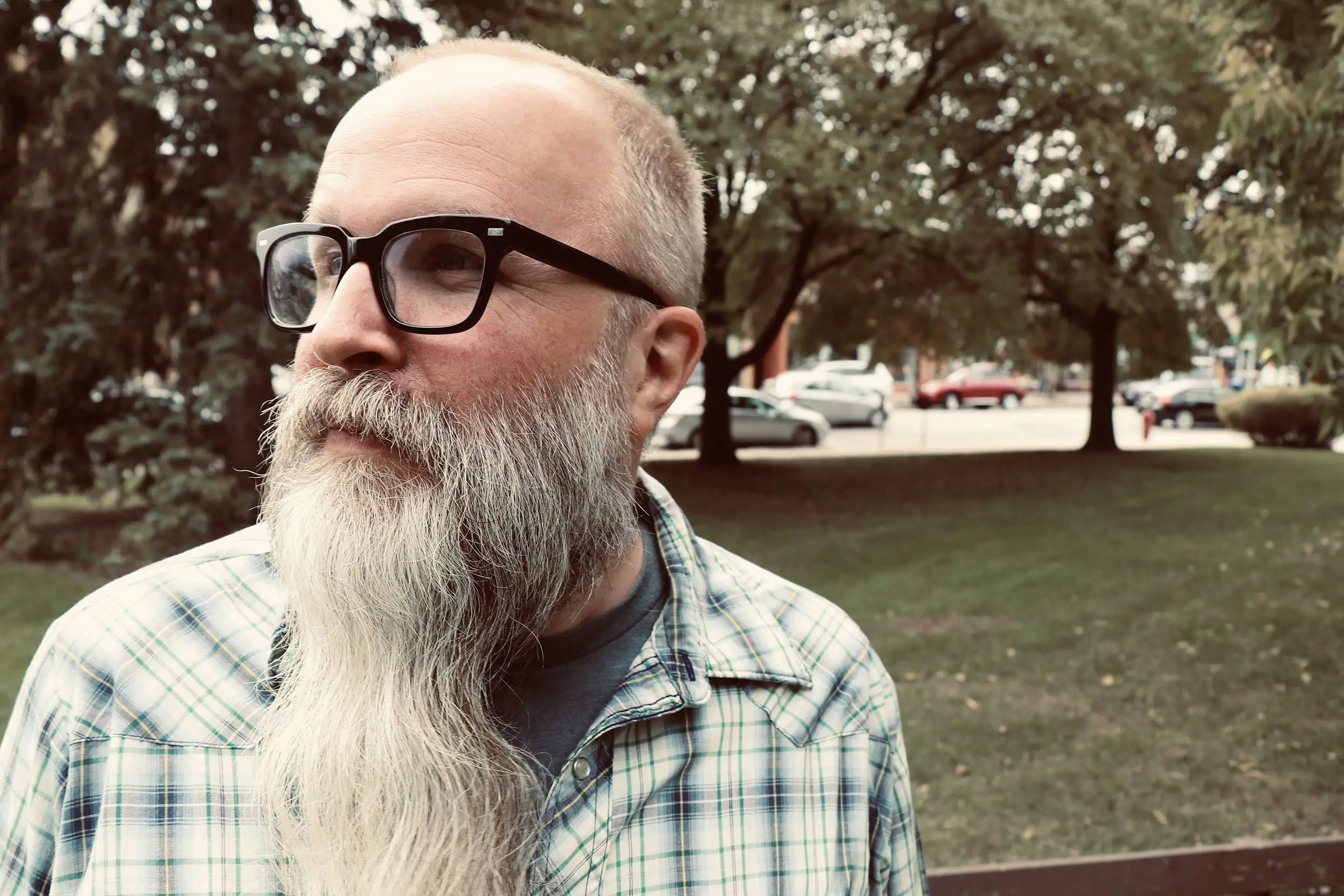
The 'Paperwork Flood': How I Drowned a Bureaucrat before dinner., Sightless Scribbles
A fabulously gay blind author.
The Who Cares Era | dansinker.com
Earlier this week, it was discovered that the Chicago Sun-Times and the Philadelphia Inquirer had both published an externally-produced "special supplement" that contained facts, experts, and book titles entirely made up by an AI chatbot. There's been a lot written about this (former Chicago Reader editor Martha Bayne's is the best), and I don't need to rehash it all. But the thing that is most disheartening to me is how at every step along the way, nobody cared.
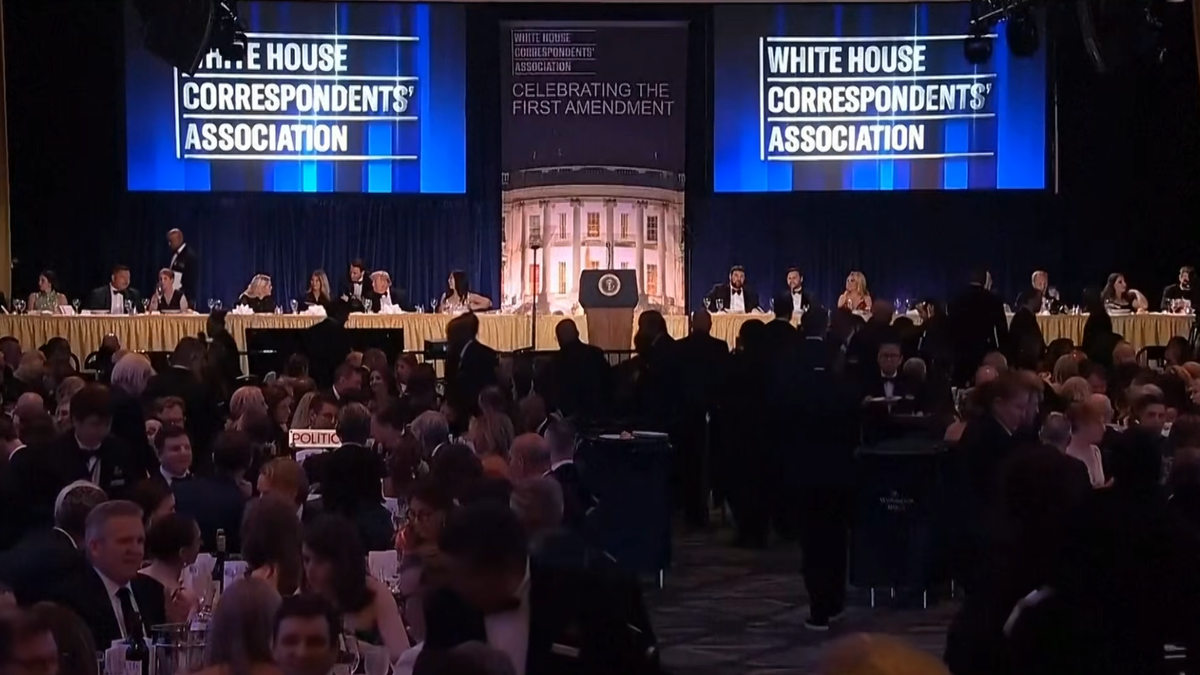
Business As Usual Interrupted By Business As Usual, Followed By Business As Usual
Conspiracies are flourishing in the aftermath of gunfire at The White House Correspondents' Association dinner
Dangerous Writing App
Dangerous Writing App. If you stop typing, all progress will be lost. Now with over 500+ writing prompts to choose from.
You Might Debate It — If You Could See It
Writing about the big beautiful mess that is making things for the world wide web.
The Lexicon Interop Problem - anuj's leaflets
Competing AT platforms are using different lexicons. Should we be worried?