Reflections on UN Open Source Week 2026
The Missing Middle of Open Source
Why serious, maintainer-driven projects struggle to sustain themselves—and what it will take to fix it.

The Arguments Against Open Source AI are Very Bad | Tom Bedor's Blog
The release of Kimi K3 has opened a fresh round of angst and confused discourse. There's a loud cohort of journalists, business leaders, and politicians arguing that open source AI is a dangerous threat. OpenAI's Dean Ball:
Don't Take the Black Pill - Andrew Kelley | SSW 2026
A quote from Daniel Stenberg
The challenge with AI in open source security has transitioned from an AI slop tsunami into more of a ... plain security report tsunami. Less slop but lots of reports. …
The Unsolvable Dilemma: Open Networks vs. Economic Sustainability - Nightflight
Rethinking Bluesky's "Decentralization": An Assessment as of January 2026 - Nightflight
January 19, 2026
“Policy Without Tools Is Just Poetry” - AT Protocol
Juliet Shen from ROOST joins the show to talk through the Coop 1.0 release, what open-source trust and safety unlocks for new builders, and where AI actually belongs in moderation

Project 2025 Tracker
A comprehensive, community-driven initiative to track the implementation of Project 2025's policy proposals
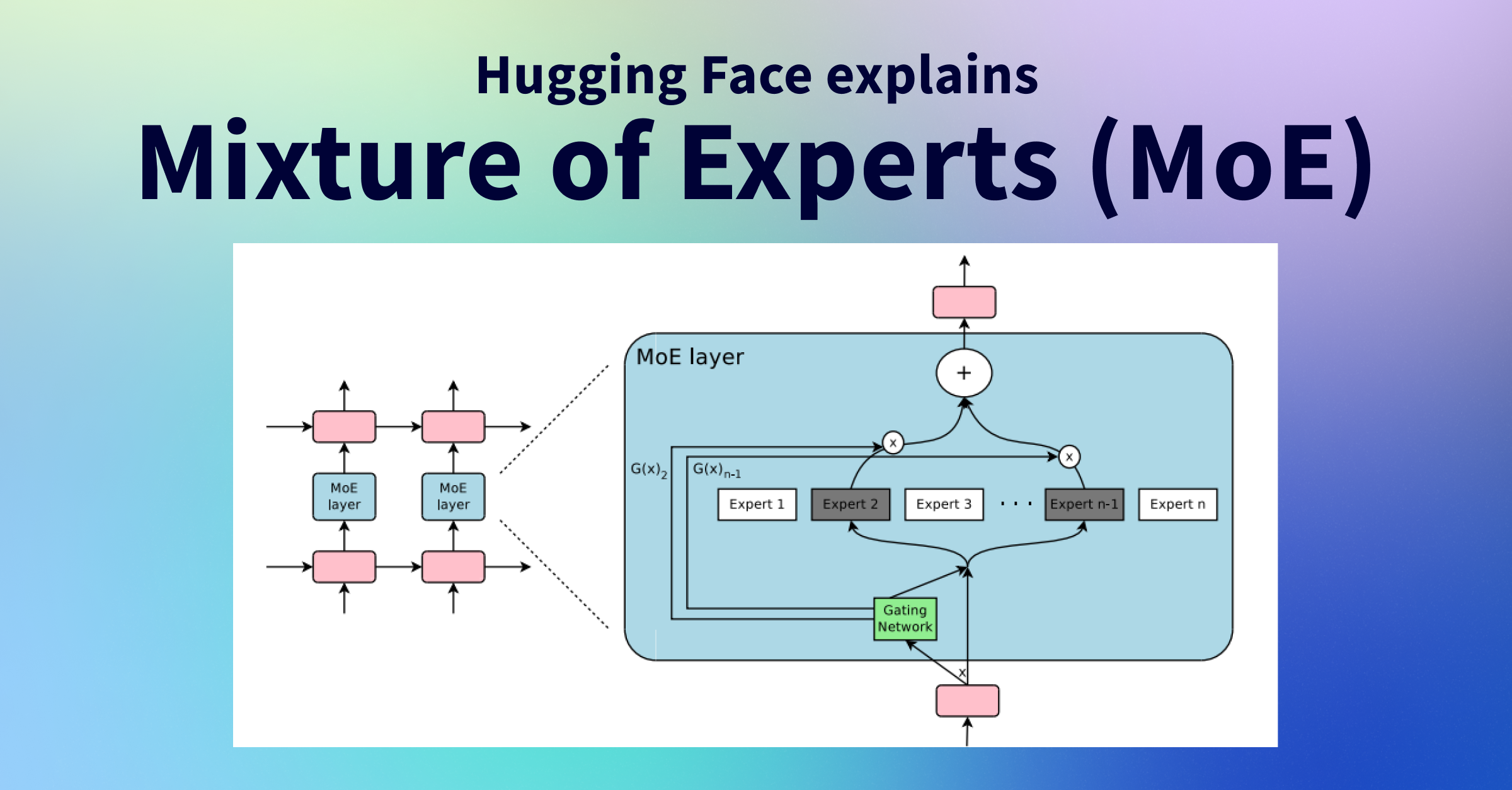
Mixture of Experts Explained
We’re on a journey to advance and democratize artificial intelligence through open source and open science.
What happened to the fight for the Internet? -- Dustycloud Brainstorms
At the moment I am writing this, bad internet bills are being proposed across the US, Canada, Europe, and the UK. They're using the usual tactics: they claim they're fighting for kids or fighting security risks, but in general, that's what surveillance and censorship bills have always claimed.
Center for Open Science
At the Center for Open Science, our mission is to increase openness, integrity, and reproducibility of scholarly research. Promoting these practices within the research funding and publishing communities accelerates scientific progress

The Paradox of Open
Numerous organisations and initiatives have been launched with a belief in openness and free knowledge. Their proponents placed their bets on the combined power of networked information services and new governance models for the production and sharing of content and data. We – as members of this broad movement – were among those who believed it possible to leverage this combination of power and opportunity to build a more democratic society, unleashing the power of the internet to create universal access to knowledge and culture. For us, such openness meant not only freedom, but also presented a path to justice and equality.
ATScience 2026
A full-day exploration of AT Protocol for science, education, and open knowledge. A side event to AtmosphereConf 2026 @ Vancouver, March 27, 2026

Data Center Opponents Have Blocked Or Delayed Projects Worth Nearly $130 Billion In 2026 - Slashdot
An anonymous reader quotes a report from NBC News: The first quarter of 2026 produced the most blocked and delayed data center projects on record, according to a new study shared with NBC News. The study -- conducted by Data Center Watch, a project of the AI intelligence firm 10a Labs that tracks lo...

Sovereignty Is Not Solitude: Open Source as Canada’s Third Path in AI
True artificial intelligence (AI) sovereignty isn't about building a Canadian fortress; it’s about mastering the open-source ecosystems that power the world.

Tests Are The New Moat | Daniel Saewitz
As AI becomes better at cloning people's open source work, what ends up becoming most valuable are software contracts, tests, and API surface area. This clashes the incentives of clearly defining your commercialized open source software with protecting it.