

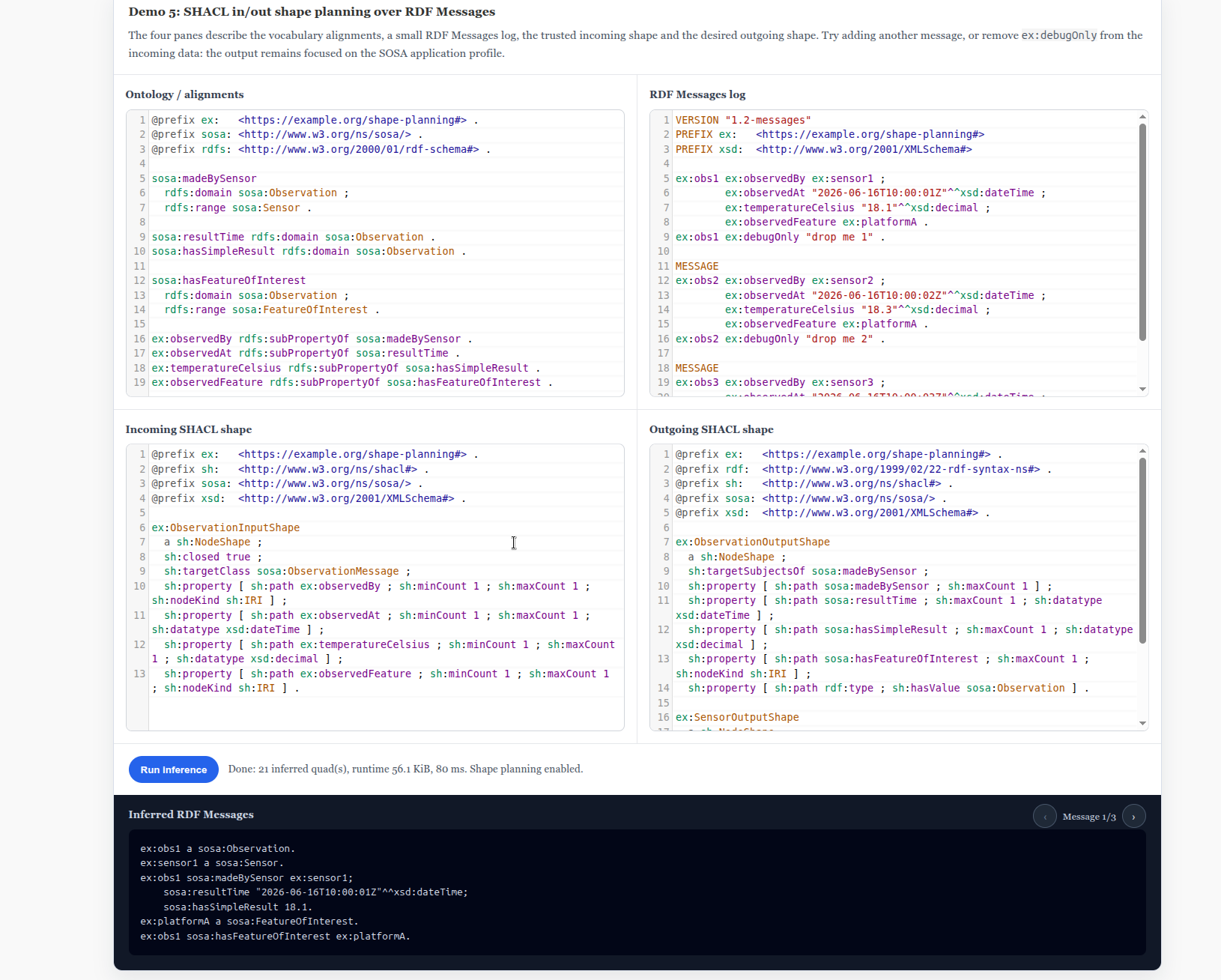
A rebuttal to a blog post of Anne Schuth, I which I argue that RDF will earn its place in real neurosymbolic systems. Its best argument is eventual interoperability across organizations.
Don’t just Build a Second Brain: share (part of) it
I’m exploring how MyHub.ai could become a unique hybrid of personal publishing and productivity tools by launching a newsletter powered by…

About CRDTs • Conflict-free Replicated Data Types
Resources and community around CRDT technology — papers, blog posts, code and more.
Nicholas Vincent | Data Leverage & Public AI
Prof. Nick Vincent is an Assistant Professor in Computing Science at Simon Fraser University. He studies the content ecosystems and data supply chains that fuel

Collective Bargaining in the Information Economy Can Address AI-Driven Power Concentration
This position paper argues that there is an urgent need to restructure markets for the information that goes into AI systems. Specifically, producers of information goods (such as journalists, researchers, and creative professionals) need to be able to collectively bargain with AI product builders in order to receive reasonable terms and a sustainable return on the informational value they contribute. We argue that without increased market coordination or collective bargaining on the side of these primary information producers, AI will exacerbate a large-scale "information market failure" that will lead not only to undesirable concentration of capital, but also to a potential "ecological collapse" in the informational commons. On the other hand, collective bargaining in the information economy can create market frictions and aligned incentives necessary for a pro-social, sustainable AI future. We provide concrete actions that can be taken to support a coalition-based approach to achieve this goal. For example, researchers and developers can establish technical mechanisms such as federated data management tools and explainable data value estimations, to inform and facilitate collective bargaining in the information economy. Additionally, regulatory and policy interventions may be introduced to support trusted data intermediary organizations representing guilds or syndicates of information producers.
Why Knight Foundation Invested in Bluesky - Knight Foundation
John Sands explains our bet on a social web that protects speech, creates opportunity for publishers and creators, and enables research on the information ecosystem.

Anthropic Data Fears Prompt Nvidia, Palantir and Booz Allen to Restrict Model Use
As paranoia rises over whether Anthropic or OpenAI could learn from their customers’ intellectual property, large firms involved in sensitive corporate work, such as Palantir Technologies, Nvidia and Booz Allen Hamilton, have started demanding new guarantees or reducing or eliminating use of the ...

Personal data storage is an idea whose time has come
Data Ownership as a conversation changes when data resides primarily with people-governed institutions rather than corporations.
DASL — Data-Addressed Structures & Links
A small set of simple, standard primitives to work on content-addressed data.

DASL — Data-Addressed Structures & Links
A small set of simple, standard primitives to work on content-addressed data.
B-Sides: Permissioned data is a love triangle - Nick's Blog
This is a B-sides post with unpolished thoughts that didn’t make it into the main article.
Unreasonable Effectiveness
Seriously: Machines Do Not Need to Think to Be Thought About 💡As I am immersed in PhD research I am at risk of becoming increasingly dense and nerdy. So I am adding a "nerd rating" to posts from now on, evaluating my estimation of how niche a post probably is.

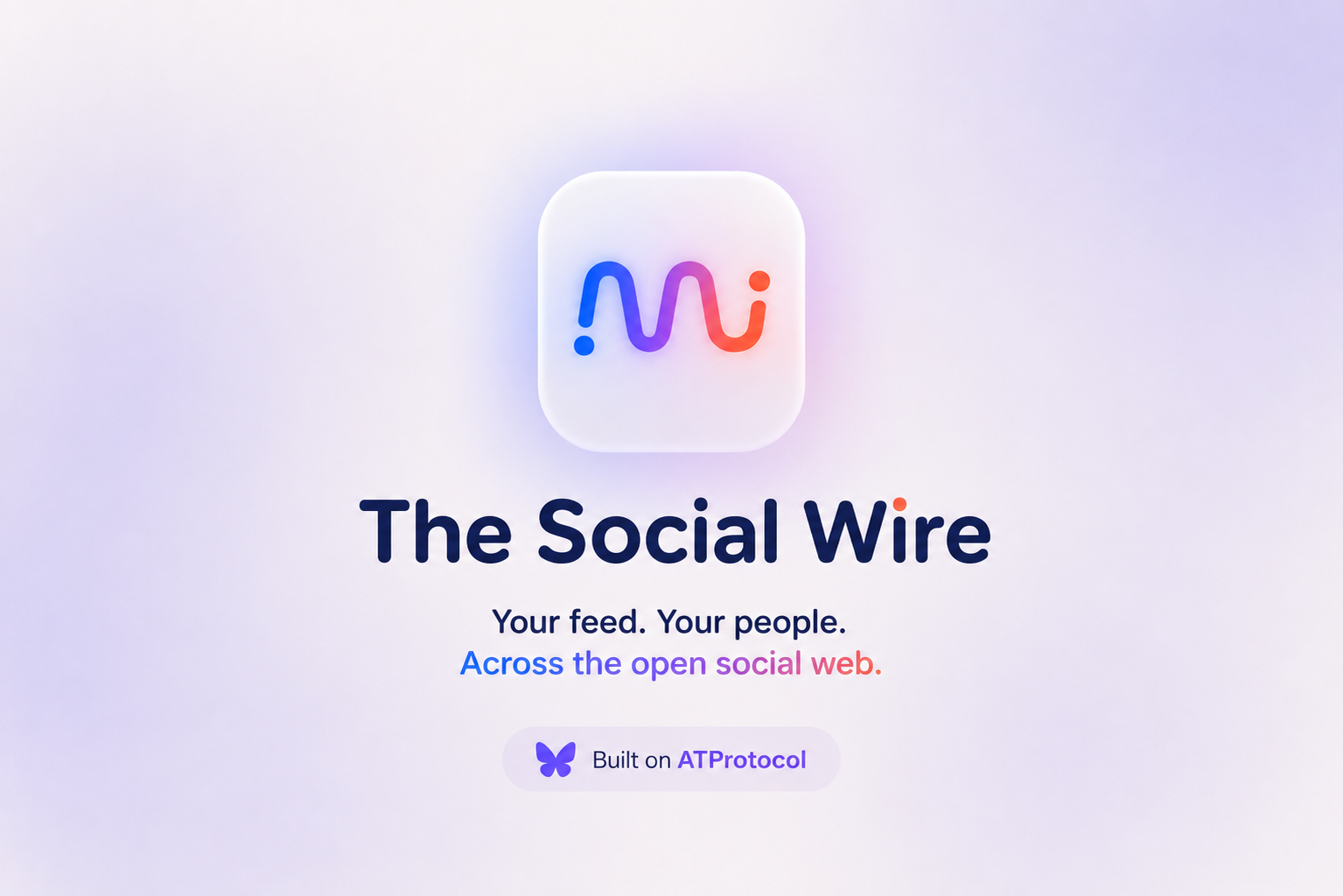
Is AI causing a repeat of Frontend’s Lost Decade? | Mastro Blog
AI is doing to programming what framework-brain did to the frontend before. Deskilling, or just working at a higher level of abstraction?
✨🙌 AI that helps communities thrive on their own terms
Open protocols + AI-enabled coding = building what we need for ourselves
Lexicon Service Docs - at:// pizza thoughts
Riffing on some ways to make network services more legible to humans and machines