On reward functions, dopamine, and what it actually feels like when the code starts writing itself
The peril of laziness lost | The Observation Deck
In his classic Programming Perl — affectionately known to a generation of technologists as "the Camel Book" — Larry Wall famously wrote of the three virtues of a programmer as laziness, impatience, and hubris: If we’re going to talk about good software design, we have to talk about Laziness, Impatience, and Hubris, the basis of good software design. We’ve all fallen into the trap of using cut-and-paste when we should have defined a higher-level abstraction, if only just a loop or subroutine. To be sure, some folks have gone to the opposite extreme of defining ever-growing mounds of higher level abstractions when they should have used cut-and-paste. Generally, though, most of us need to think about using more abstraction rather than less.
</> htmx ~ Working With AI: A Concrete Example
In this essay, Carson Gross walks through a concrete bug fix in hyperscript to show where AI helped, where it fell short, and why keeping a knowledgeable human in the loop is what kept complexity in check.
Knowing When to Stop: The Art of Making a Loop Converge | Andreessen Horowitz
The systems that matter will not be the ones that can keep going. They all can.

In defense of not reading the code | Ben Shoemaker
Last week, I wrote an article whose purpose was to discuss where I saw AI-assisted coding going. That's not what generated 200 comments worth of passionate...
The 80% Problem in Agentic Coding
Managing comprehension debt when leaning on AI to code
I work, I think? - Annotated
How AI may quietly dismantle the feedback loop that turns inexperienced people into competent ones, and why my work matters to me.
Karpathy says developers have 'AI Psychosis.' Everyone else is next.
Anthropic’s Mythos, Gen Z’s backlash, and Meta’s token binge all point to the same shift: developers are feeling AI first, but not for long.

You can code only 4 hours per day. Here’s why.
Most of us have felt it: after a few solid hours of coding, your brain starts shutting down.
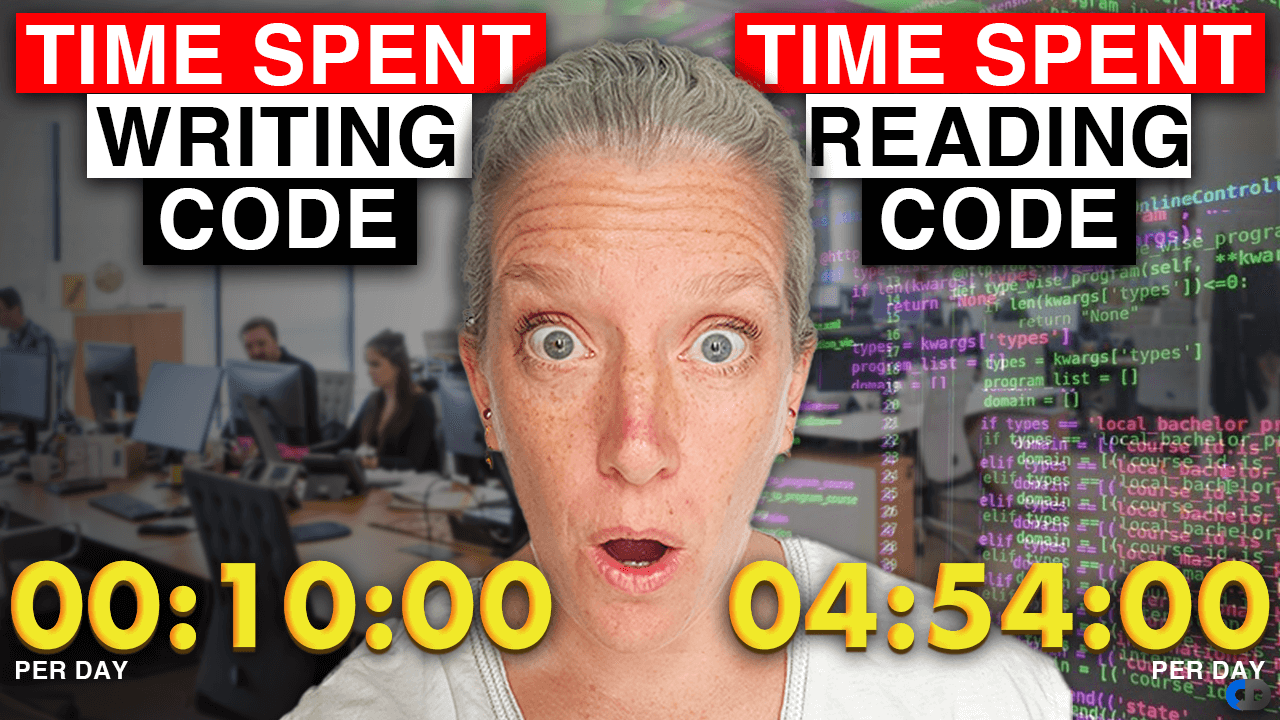
Reading Code Is Hard, and tips to improve - Trisha Gee
This week's video for Dave Farley's Continuous Delivery YouTube channel is me ranting about why reading code sucks, and offering some advice on how to improve. "Every programmer occasionally, when nobody’s home, turns off the lights, pours a glass of scotch, puts on some light German electronica, and opens up a file on their computer. ... Read more
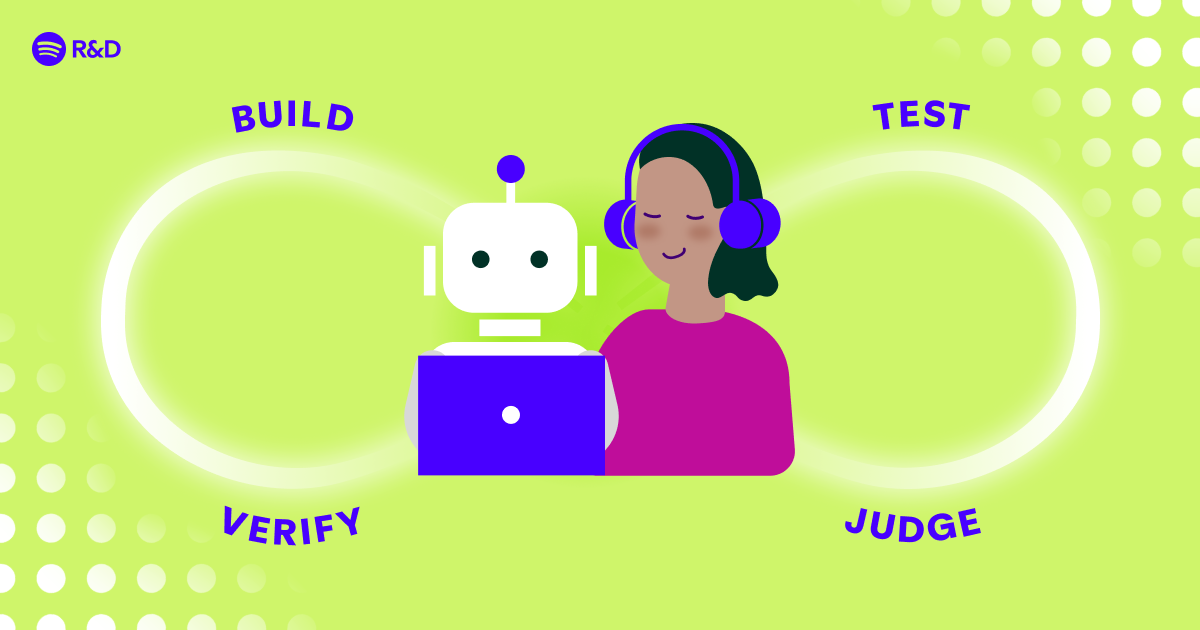
Background Coding Agents: Predictable Results Through Strong Feedback Loops (Part 3) | Spotify Engineering
This is part 3 in our series about Spotify's journey with background coding agents and the future of large-scale software maintenance. See also and .
Prompting Claude Opus 5.5
Behavioral differences from Claude Opus 5 and the prompting and harness patterns that address them: effort calibration, thinking behavior in API integrations and chat, progress updates, unattended and multiagent tasks, safeguard refusals, frontend design, complex visual inputs, multi-app workflows, and pasted text in user messages.
AI fatigue is real and nobody talks about it | Siddhant Khare
You're using AI to be more productive. So why are you more exhausted than ever? The paradox every engineer needs to confront.
Is AI causing a repeat of Frontend’s Lost Decade? | Mastro Blog
AI is doing to programming what framework-brain did to the frontend before. Deskilling, or just working at a higher level of abstraction?
Reducing the cognitive load of AI changes
When reviewing large amounts of AI-generated code, I often find that the LLM chooses terms for abstractions that do not always map to my own choices. For instance, what it may call a MutationIntent might personally be more natural to me as an EditRequest. Because the LLM's choice of words is not my ideal choice, I have to do a mental lookup of what it means every time I see it, which adds cognitive load.
What AI coding costs you | Tom Wojcik
What's the effect of the prolonged AI usage among coders and is it tracked correctly, if it all?
No Coding Before 10am | Michael Bloch
Engineering is no longer about writing code. Here is one startup's playbook for building in the AI agent era.