

In my work at Clay I recently wrote an internal policy on acceptable use of AI writing by engineers, and I’m sharing it here. It’s my hope that one day better AI tools might be able to help us think, but until then I fear that using AI to write does the exact opposite.
Literature fans should welcome AI as a fellow wordsmith | Aeon Essays
Strong resistance to AI among writers is understandable. But it obscures what we share with the machines: language itself

Wikipedia:Signs of AI writing
This is a list of writing and formatting conventions typical of AI chatbots such as ChatGPT, with real examples taken from Wikipedia articles and drafts. It is a field guide to help detect undisclosed AI-generated content on Wikipedia: while some of the signs may be broadly applicable, some may not apply in a non-Wikipedia context.[a] Not all text featuring these indicators is AI-generated, as the large language models that power AI chatbots are trained on human writing, including Wikipedia. Many elements of AI writing can be found in editorials, blogs, or fan fiction.
More Than a Tool
What We Learned from a Year of Conversations About AI

Why AI hasn’t replaced software engineers, and won’t
Coding agents as normal technology
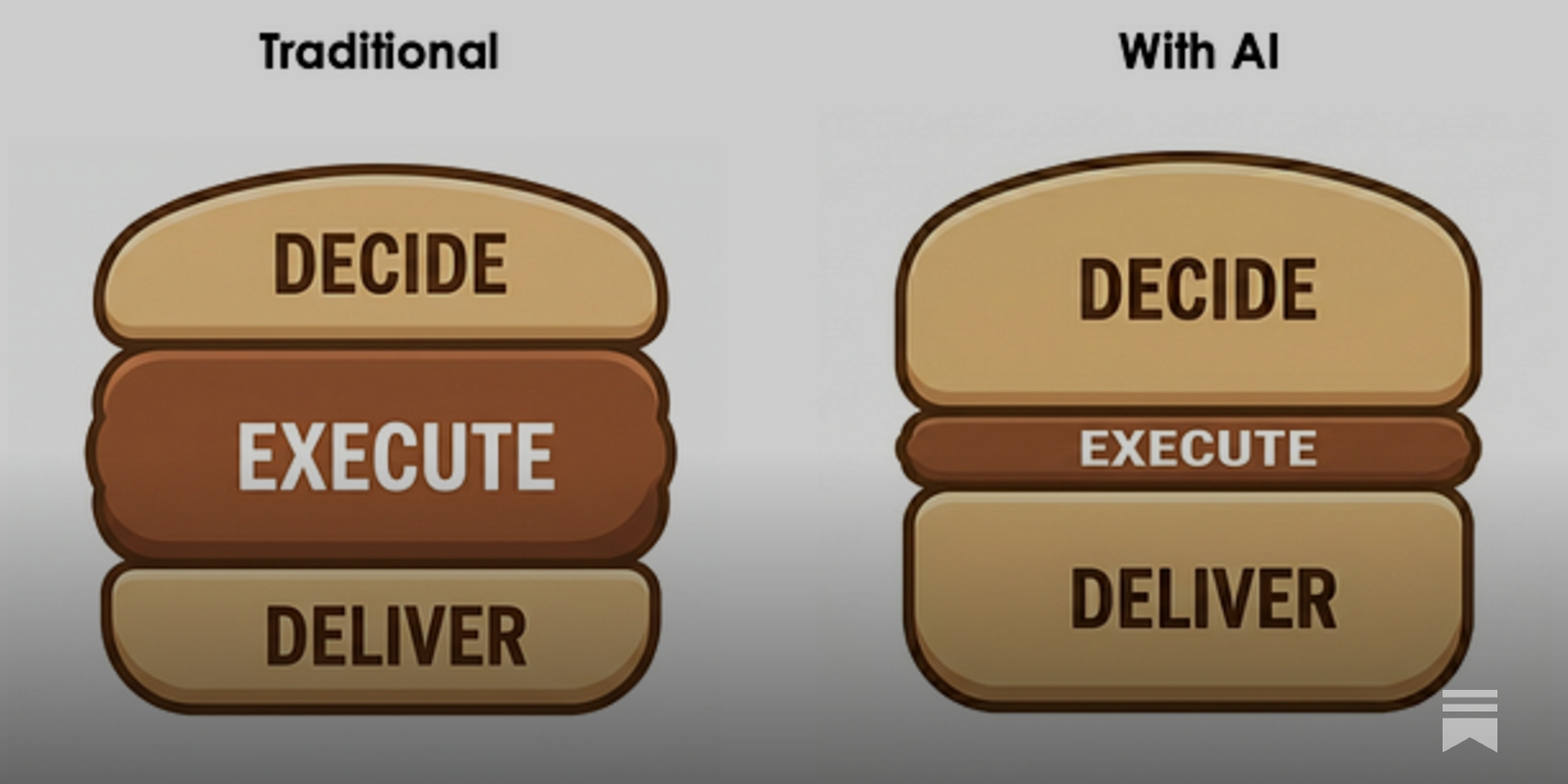
On AI and building your own GIS software
Of the thousands of essays over the past two years surrounding AI and its implications are some very thought provoking ones with enormous implications for GIS. Some of the essays are around the the…

How Claude marks AI-generated content | Claude Help Center
Anthropic has signed the EU AI Act's Article 50(2) Code of Practice on Transparency of AI-Generated Content, as a provider of both generative AI models and generative AI systems. This article describes how we’re planning to put those commitments into practice, how marking works, and what its limitations are. We’ll update this article and publish more detailed technical guidance as it becomes available.

The 80% Problem in Agentic Coding
Managing comprehension debt when leaning on AI to code
Tropes - AI Writing Pattern Directory
The definitive reference for identifying AI writing patterns. Learn to spot the tropes that give away AI-generated text.
What happens when AI replaces the parts of work people love?
We’re using AI to move faster. I’m not yet convinced we’re using it to work better.
We Don't Understand Neural Networks At The Algorithmic Level
The largest ongoing debate about AI is “Are Large Language Models (LLMs) intelligent?” That makes sense, at least: the evidence is ambiguous and the stakes a...
I am often wrong
[I shared this note with my team earlier this week, and am posting it here as well. I hope it is interesting or helpful for others working on building product in the age of AI.]
Why AI hasn’t replaced software engineers, and won’t
Arvind Narayanan and Sayash Kappor take on the question of AI job losses through the lens of a profession that is uniquely suited to AI disruption - software engineering. In …
Kagi Translate
Kagi Translate uses powerful AI models to instantly and accurately translate any content in any language.

Reducing the cognitive load of AI changes
When reviewing large amounts of AI-generated code, I often find that the LLM chooses terms for abstractions that do not always map to my own choices. For instance, what it may call a MutationIntent might personally be more natural to me as an EditRequest. Because the LLM's choice of words is not my ideal choice, I have to do a mental lookup of what it means every time I see it, which adds cognitive load.
AI Fiction in the Wild
What kind of fiction will people read in the future—a future that includes generative AI models that can read and write themselves? Will people read fiction that is authored, or co-authored, by AI? Will they read and write their own AI-generated fiction, in a closed loop, cutting out other human beings entirely?