

Social media is addictive and manipulative. It's time for social that puts the user in control.
From Feeds to Trails
To design the future of social media, rethink the interface before the algorithm.
The future of social media is human
We cannot continue participating in social media platforms which do nothing to stop us being tricked by GenAI and the powerful people/governments that control them.

Recently I’ve been thinking about a couple of... - Adam Wood
Recently I’ve been thinking about a couple of different tech-related things that sort of overlap. One is the (emerging) shape of the new social web; the other is a pull I’m feeling to try and lessen reliance on American companies. I’ve been interested in / concerned by what became of social media for some time.1 Since the sundering of Twitter in 2022, I’ve kept an eye on the various alternatives, with particular interest in Mastodon and Bluesky. Actually, to be more accurate, my interest has been in the protocols behind those platforms: ActivityPub and AT Protocol respectively. Both have their...

Social media algorithms can be redesigned to bridge divides — here’s how
"It falls to both the tech companies that built these systems and an engaged public to create technologies designed for social cohesion."
New_ Public | After the Feed
What happens after the social media feed? A presentation on the future of conversation, community, and social connection, and how AI will affect the everyday lives of billions.
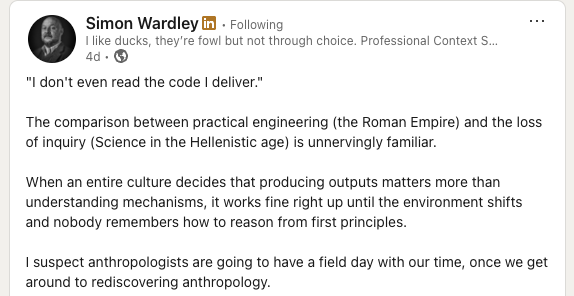
Nobody knows how the whole system works
One of the surprising (at least to me) consequences of the fall of Twitter is the rise of LinkedIn as a social media site. I saw some interesting posts I wanted to call attention to: First, Simon W…
Why I'm betting on ATProto (and why you should, too)
Social media was supposed to connect us, but most of it has turned into ads, division, and loneliness. I'm betting on ATProto as a way to fix that, and not just for developers. Whether you're a scientist, journalist, or just someone who wants the internet to feel human again, I think ATProto matters for you too.
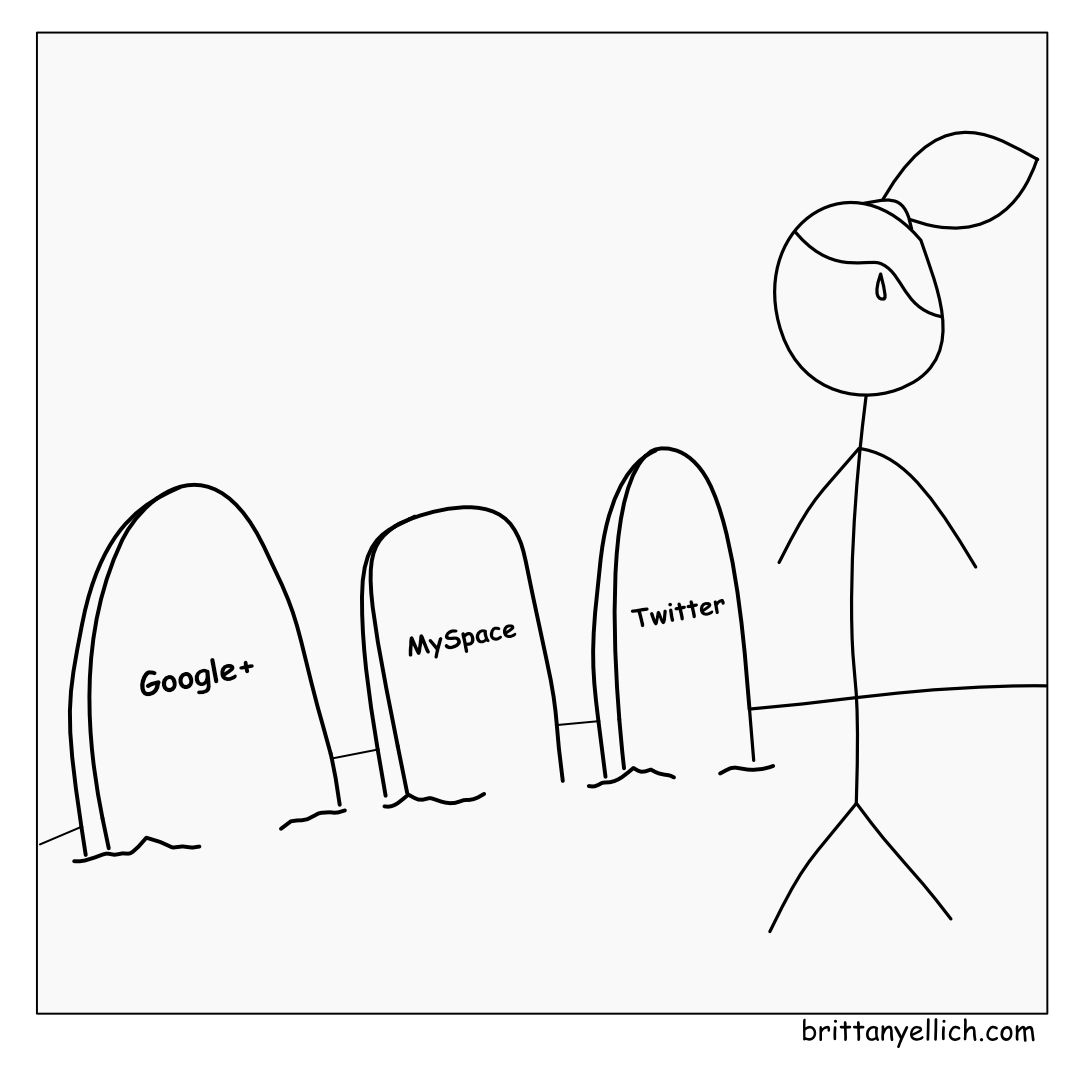
After the Feed: Trust, connection, and the next era of social technology | New_ Public | May 2026
After the Feed: Trust, connection, and the next era of social technology By Eli Pariser, Co-Director, Angelica Quicksey, Managing Director, Arnobio Morelix, AI Fellow May 2026 Newpublic.org

It’s time for movements to rethink social media
Movements can still find people on social media. But the real organizing has to happen somewhere else — and that's the part we keep skipping.

Bluesky
Social media as it should be. Find your community among millions of users, unleash your creativity, and have some fun again.
Bluesky
Social media as it should be. Find your community among millions of users, unleash your creativity, and have some fun again.
An update on leap seconds – Tony Finch
It has been a couple of years since my previous blog post about leap seconds, though I have been tweeting on the topic fairly frequently: see my page on date, time, and leap seconds for an index of threads. But Twitter now seems a lot less likely to stick around, so I’ll aim to collect more of my thinking-out-loud here on my blog.
Social Media Analysis - Signup
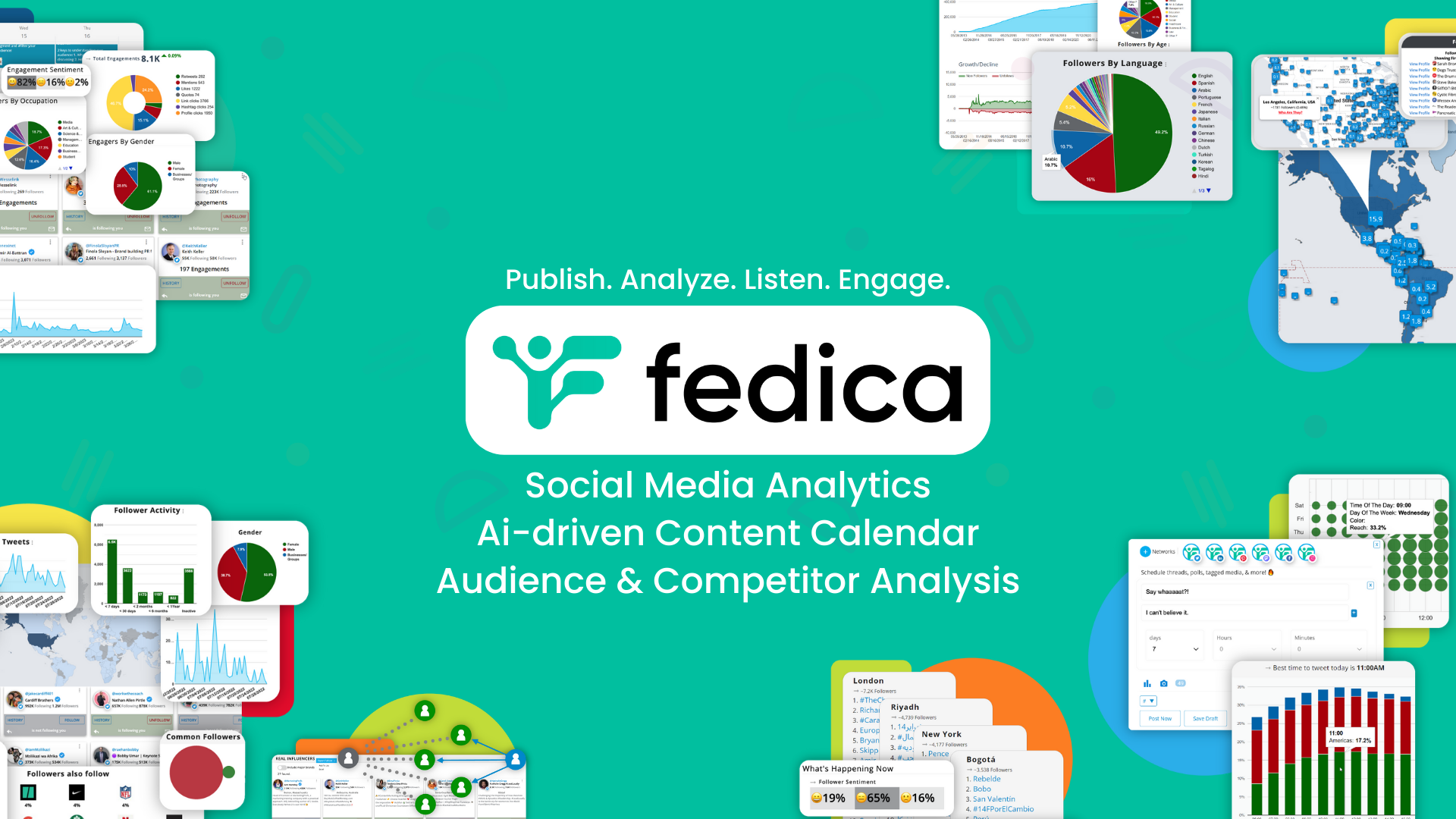
Plans for everyone! Fedica's free plan allows you to post to many platforms with 1 click, paid plans to supercharge your social media game! Map followers by country, state or city What followers are talking about now
Gander: The Social Media You Want, Built in Canada
Fun, private, and ethical. We're changing the way social media is done around here, all without your personal data taking an unexpected trip down south.

The case against efficiency: friction in social media
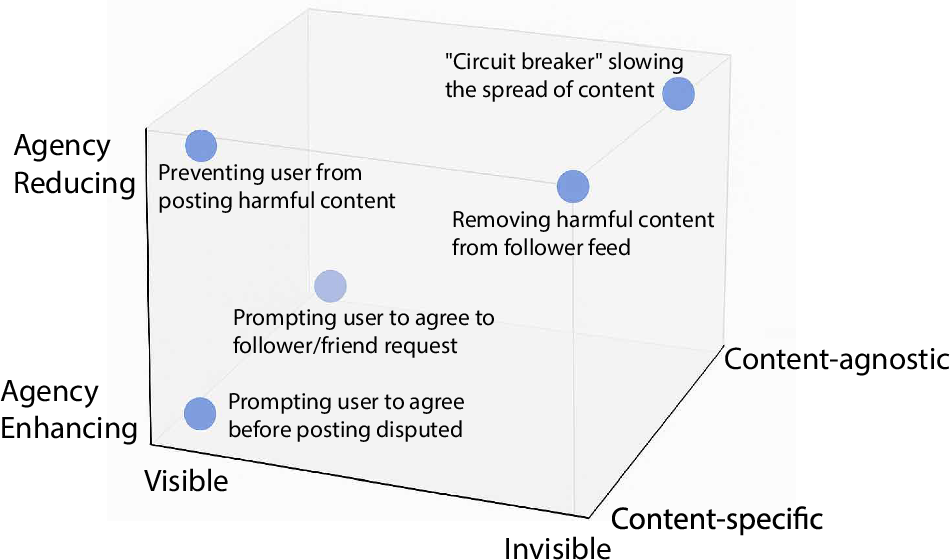
Social media platforms frequently prioritize efficiency to maximize ad revenue and user engagement, often sacrificing deliberation, trust, and reflective, purposeful cognitive engagement in the process. This manuscript examines the potential of friction—design choices that intentionally slow user interactions—as an alternate approach. We present a case against efficiency as the dominant paradigm on social media and advocate for a complex systems approach to understanding and analyzing friction. Drawing from interdisciplinary literature, real-world examples, and industry experiments, we highlight the potential for friction to mitigate issues like polarization, disinformation, and toxic content without resorting to censorship. We propose a state space representation of friction to establish a multidimensional framework and language for analyzing the diverse forms and functions through which friction can be implemented. Additionally, we propose several experimental designs to examine the impact of friction on system dynamics, user behavior, and information ecosystems, each designed with complex systems solutions and perspectives in mind. Our case against efficiency underscores the critical role of friction in shaping digital spaces, challenging the relentless pursuit of efficiency and exploring the potential of thoughtful slowing.
People are misunderstanding what happened here. They mostly did not go back to twitter. They went to linkedin or substack or threads nowhere and so interesting technical conversations simply didn't happen that could have.

Ryan Moulton
Lots of people tried to reconstruct the ML/AI/stats community over here. 90% of them left because the random abuse they got for just posting ordinary research results was too much. bsky.app/profile/jwherrman.bsky.social…
