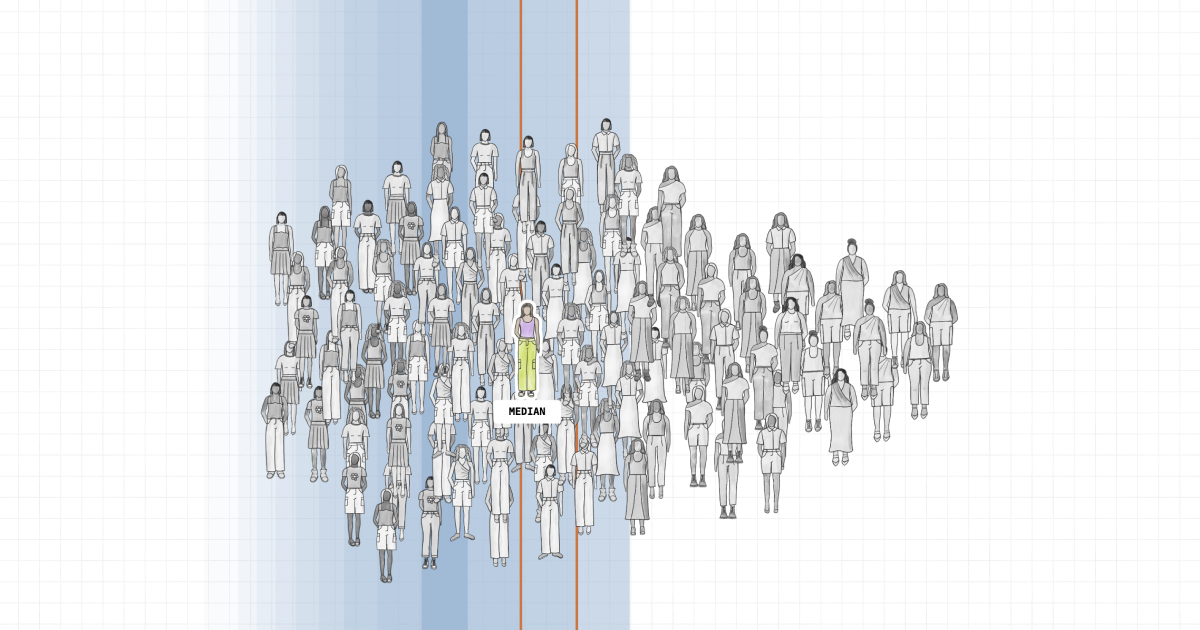
Clothes have never been cheaper. These days a t-shirt is often cheaper than a decent cup of tea in a cafe. The wonders of capitalism. At least that is how it is often described. And when you point at the underpaid, gruesome labor that people in poorer regions of the planet have to do to […]
You have to beat the models at something
In 2025, I wrote that software engineers ought to be assessed by “value over replacement”: not how much money they made for their company, but how much they…
Don't Take the Black Pill - Andrew Kelley | SSW 2026
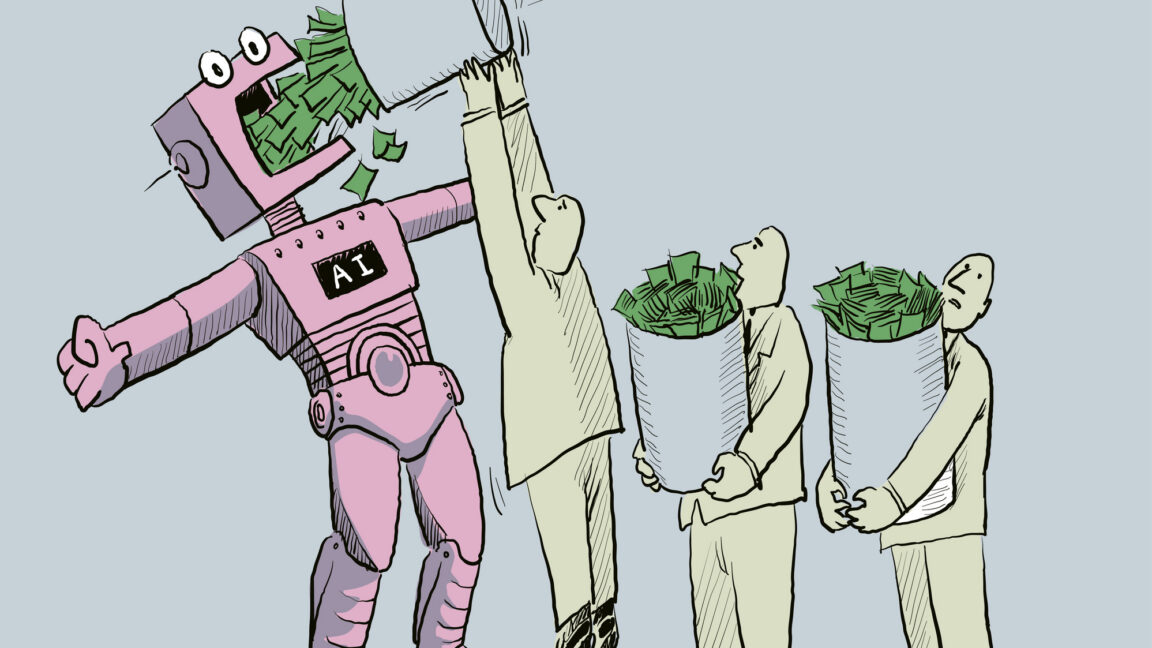
AI costs how much? GitHub Copilot users react to new usage-based pricing system.
Some report burning through their whole monthly "AI credit" allotment in a single day.
Inside Facebook's African Sweatshop
Workers in the Nairobi office are among the lowest-paid workers for the platform anywhere in the world

The hidden cost of AI: In conversation with Professor Mark Graham
The hidden cost of AI: Countless humans toil in monotonous, low-paid jobs to power the algorithms behind our tech. Professor Mark Graham exposes this digital sweatshop, calling for accountability and worker rights.

AI, I tried to love you – Writings and rehearsals by Nathan Schneider
Among my peers who study the cultures and economies surrounding technology, I often find myself more tech-positive than most. On the whole I like computers, like the internet, and like in general the emergent human creativity that these things have enabled and revealed. A source of my appreciation is that I expend a lot of effort on the practice of “slow computing,” which is to say, choosing tools and technical communities that I can feel in right relationship with. I tend to approach new socio-technologies (like gig economies, blockchains, and social media) not from a perspective of why is this so bad? so much as asking how could we do this right?

Software Acceleration and Desynchronization
A look at the ever-present drive to make software delivery faster and how it might break down various activity loops in organizations.

The Era of Software Quality, or the Era of Ostriches?
Humans are bad at writing secure code, and GNOME developers are no exception. GNOME is primarily written using unsafe programming languages where simple mistakes in our code lead to devastating...
‘Doom Loop’: OpenAI and Microsoft Admits LLMs Are Destroying the Web and Built on Theft
"Millions of people around the world will soon consider large models ‘hoovering up’ all their work to be an astonishing theft of unprecedented proportions."

A programmer's loss of identity - ratfactor
This is the follow-up to last year’s I’m an American software developer and the "broligarchs" don’t speak for me. In that essay, I tried to express why I was so agonized by the leaders in my industry doing a speedrun towards dystopia and how it all felt so divorced from what technology could, and should be. Everything I wrote there is still true, but amplified.
🔭🖤🚀 Social media’s next evolution: decentralized, open-source, and scalable
How Blacksky grew to millions of users without spending a dollar

Enshittification, Despotification, and the Open Internet
It’s not about whether technology is inherently good or bad, liberating or oppressive. Architecture shapes incentives; incentives shape outcomes.


“They had no concept of a duty of care to their users.” – Unsung
A blog about software craft and quality
Large tech companies don't need heroes
Large tech companies operate via systems. What that means is that the main outcomes - up to and including the overall success or failure of the company - are driven by a complex network of processes and incentives. These systems are outside the control of any particular person. Like the parts of a large codebase, they have accumulated and co-evolved over time, instead of being designed from scratch.

Sizing chaos
The inter-generational struggle to find clothes that fit more than a tiny portion of women