One community volunteer traces 20 years of botched communication, unanswered questions, and delays—and asks what public consultation is actually worth.
The Local Connection Crisis: New Data on What Communities Need
Streets are made for talking: so that's what we did - Bridges For Communities
We’ve been trying something new at Bridges. Popping up on high streets and town centres in Bristol to talk to people about community life and the issues that are impacting […]

Where Does Community Live? - some responses - Connected Places
I agree that the architecture of a space matters, but I'm not sure the extent we agree as to how much a protocol really matters, versus what we build with them. Roundabout is built on atproto, and I'm quite happy with the decision. I think our architecture very strongly supports our communities.
Tiny Publics: Small Groups and Civil Society
It has been conventional to conceptualize civic life through one of two core images: the citizen as lone individualist or the citizen as joiner. Drawing on analyses of the historical development of the public sphere, we propose an alternative analytical framework for civic engagement based on small-group interaction. By embracing this micro-level approach, we contribute to the debate on civil society in three ways. By emphasizing local interaction contexts-the microfoundations of civil society-we treat small groups as a cause, context, and consequence of civic engagement. First, through framing and motivating, groups encourage individuals to participate in public discourse and civic projects. Second, they provide the place and support for that involvement. Third, civic engagement feeds back into the creation of additional groups. A small-groups perspective suggests how civil society can thrive even if formal and institutional associations decline. Instead of indicating a decline in civil society, a proliferation of small groups represents a healthy development in democratic societies, creating cross-cutting networks of affiliation.
Where Does Community Live?
ActivityPub and ATProto both promise to rebuild social life online, but they answer the question of where community actually forms in fundamentally different ways. Protocol design is institutional design, and right now those institutions are being built.

Dissecting Doug Ford’s Bike Lane Removal Annoucement
A blog about cycling and political advocacy based in Toronto, Canada. (#BikeTO)

Gathering the Custodians of the Internet: Lessons from the First CivilServant Summit - Citizens and Technology Lab
An agenda for citizen behavioral science to maintain and protect the communities we love online.

Why Online Democracies Fail - Eclectic Corvine Muses
A compendium to my upcoming proposal for community infrastructure within the AT Protocol
Can AT Protocol Fix Monolithic Platforms?
Volunteering and Civic Action: Boundaries Blurring, Boundaries Redrawn
The aim of this introduction to the special issue is to call into question the presumed conceptual divide between volunteering and civic action and suggest an analytical tool and four perspectives that bring to light the varying meanings of popular engagement. Volunteering and civic action are laden with different moral meanings, are associated with different theoretical approaches and, just as important, have been assigned different roles in society. This conceptual divide is reflected in the academic debate. Only rarely, however, has the academic debate explored and discussed how the meaning of volunteering and civic action has changed historically. Therefore, we argue for a contextual and relational interpretation of the different forms of popular engagement instead of the application of essentialist definitions of volunteering and civic action. In order to examine the variety of popular engagement without being caught up in pre-made or taken-for-granted conceptualisations of volunteering and civic action as two separate forms of popular engagement, we propose approaching variations of popular engagement with respect to two criteria: first, to what degree popular engagement is enacted in institutionalised spheres of politics or in social public spheres and, second, to what degree actions of popular engagement are controversial or operating in line with what is widely agreed upon and dominant in public opinion. Moreover, we argue that history, discourses, politics and a relational approach are four crucial perspectives in order to reveal the varying meanings of popular engagement.
in progress works
lightweight accountability community and journal for your side projects
npmx: converging communities
The story of the many people and communities that converged to build npmx together

The Purpose of Protocols
Every open social protocol generates shared resources, but none has produced a governance framework adequate to those resources. So who fills that vacuum?

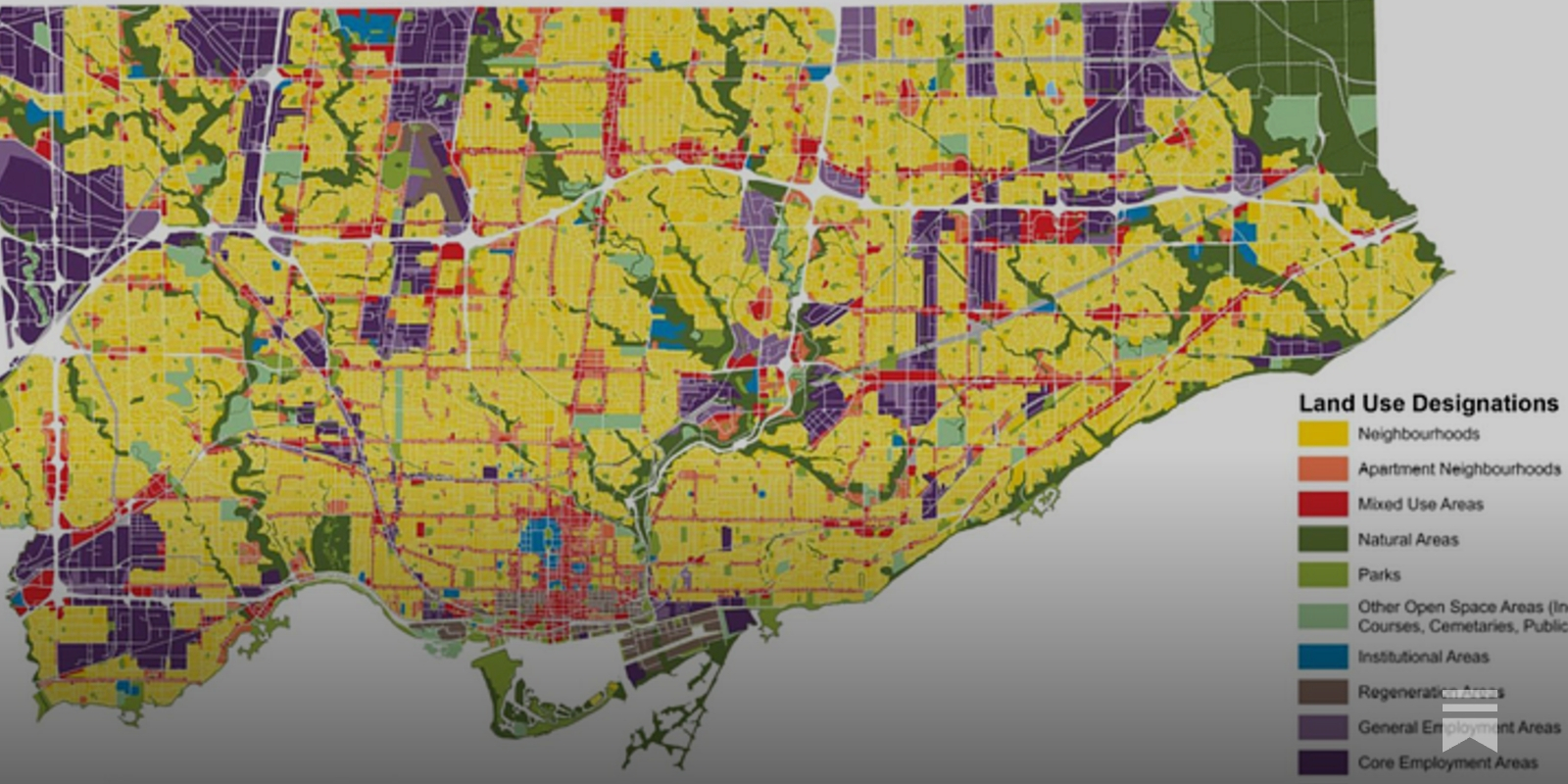
Are Council contenders ready for "big freaking deal" changes to the Official Plan?
City Hall Watcher #388: Damien Moule on the "largest change to municipal land use planning in Ontario in decades", plus CITY HALL WATCHER LIVE lets you reflect on 15+ years of Council coverage