
Unnecessary moral concern, and the false indulgences that drive it.

Rotating the Space: On LLMs as a Medium for Thought
An essay on LLMs as a cognitive medium
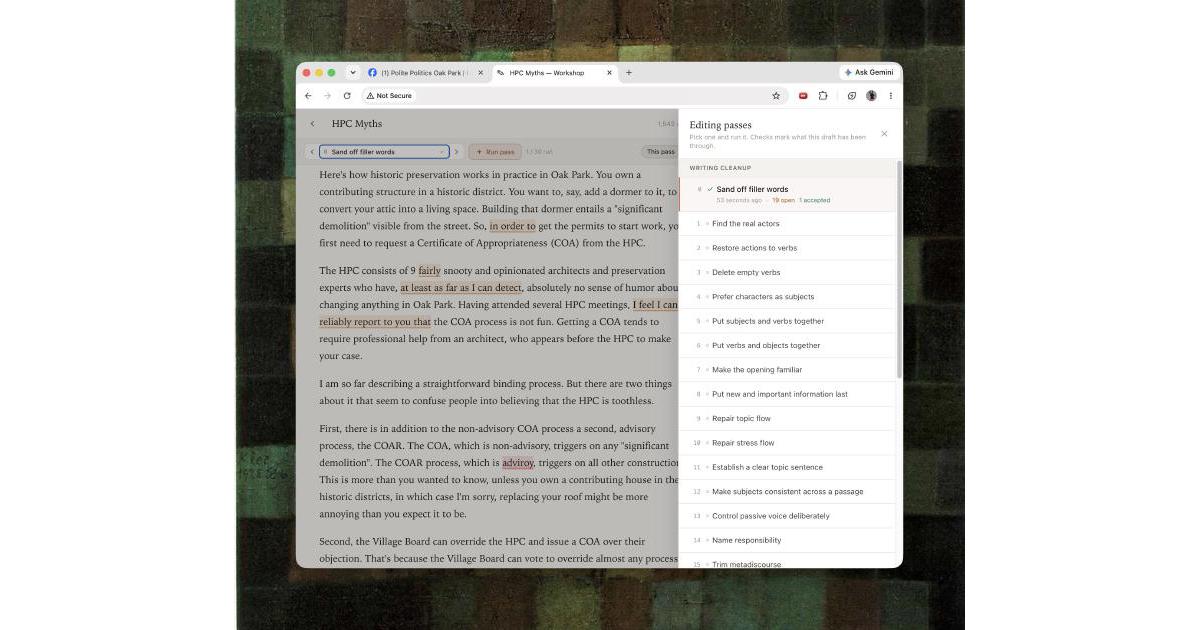
How To Write With An LLM
Two rules keep an LLM from pasteurizing your writing: never take a word it suggests, and never let it encourage you. Then hand it all the tedious work.

Science rightly impinges on Virtue Ethics
Iris Murdoch, C. P. Snow, Alasdair MacIntyre, and the role of Truth

LLMs and performative productivity
It's worth asking whether LLMs are actually making us more productive at all—and if so, what we might be sacrificing in return.

Worse on Purpose
Investigative essays on corporate enshittification — how the brands you trusted made everything worse on purpose, and who profits when they do.

Protecting our FLOSS commons from LLMs — Codeberg News
In Brief: Two motions regarding
The Theory of Moral Sentiments
The foundation for a general system of morals, this 174…

What Happens, Exactly, When a Person Talks to an LLM?
A phenomenology of thinking with a model.

LLMs break the internet. Signing everything fixes it.
The dead internet theory wasn't wrong, just early. Here's what to do next.

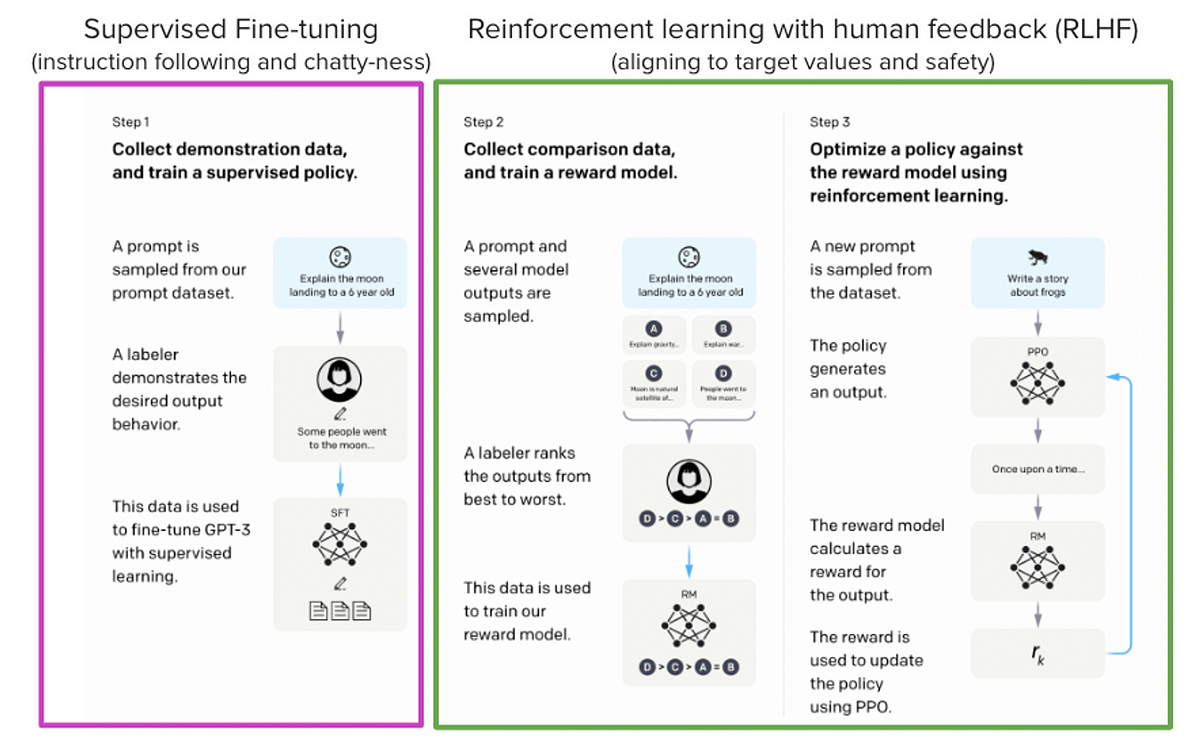
Clearance of the Confusion: LLM’s base and instruct version — Let’s compare them on reasoning…
When you’re strolling through the market, you’re bound to notice that the same fruit comes in two versions: the base version and the…

Effective Altruism’s Problems Go Beyond Sam Bankman-Fried - Bloomberg
archived 12 Mar 2026 21:01:45 UTC

Artificial
An LLM is a computer program. We should talk about it like a computer program.

The marketplace of rationalizations
Recent work in economics has rediscovered the importance of belief-based utility for understanding human behaviour. Belief ‘choice’ is subject to an important constraint, however: people can only bring themselves to believe things for which they can find rationalizations. When preferences for similar beliefs are widespread, this constraint generates rationalization markets, social structures in which agents compete to produce rationalizations in exchange for money and social rewards. I explore the nature of such markets, I draw on political media to illustrate their characteristics and behaviour, and I highlight their implications for understanding motivated cognition and misinformation.