

The website of worm-blossom, the creative partnership of Aljoscha Meyer and Sammy Gwilym. (We are sorry.)
An Ode to Links
Writing about the big beautiful mess that is making things for the world wide web.
Bluesky Custom Feeds - Built By You
Design, deploy, and grow custom feeds of any complexity on Bluesky with Graze.social.

Personalization at Bluesky
The past, present, and future of personalization of the Discover feed

Social Insects : Ecology and Behavioural Biology
1 online resource; Here is a guide to the ecology of social insects. It is intended for general ecologists and entomologists as well as for undergraduates and those about to start research on social insects; even the experienced investigator may find the comparison between different groups of social insects illuminating. Most technical terms are translated into common language as far as can be done without loss of accuracy but scientific names are unavoidable. Readers will become familiar with the name even though they cannot visualize the animal and could reflect that only a very few of the total species have been studied so far! References too are essential and with these it should be possible to travel more deeply into the vast research literature, still increasing monthly. When I have cited an author in another author's paper, this implies that I have not read the original and the second author must take responsi bility for accuracy! Many hands and heads have helped to make this book. I thank all my colleagues past and present for their enduring though critical support, and I thank with special pleasure: E.]. M. Evesham who fashioned the diagrams;]. Free, D.J. Stradling and]. P.E.C. Darlington who supplied photographs; D.Y. Brian and R.A. Weller who were meticulous on the linguistic side; and G. Frith and R.M. Jones who collated the references. List of plates 1. Fungus combs of Acromyrmex octospinosus and Macrotermes michaelseni. 13 2. Mouthparts of larval Myrmica; 1 Introduction -- 2 Food -- 2.1 Termites as decomposers -- 2.2 Wasps and ants as predators -- 2.3 Sugars as fuel save prey -- 2.4 Seed eaters -- 2.5 Leaf eaters -- 2.6 Pollen eaters -- 3 Foraging by individuals -- 3.1 Foraging strategy -- 3.2 Worker variability -- 4 Foraging in groups -- 4.1 Communication about food -- 4.2 Group slave-raiding -- 4.3 Tunnels and tracks -- 4.4 Nomadic foraging -- 5 Cavity nests and soil mounds -- 5.1 Cavities and burrows -- 5.2 Soil mounds -- 6 Nests of fibre, silk and wax -- 6.1 Mounds of vegetation and tree nests -- 6.2 Combs of cells -- 7 Microclimate -- 7.1 Environmental regulation -- 7.2 Metabolic regulation -- 8 Defence -- 8.1 Painful and paralysing injections -- 8.2 Toxic smears and repellants -- 9 Food processing -- 9.1 Mastication, extraction and regurgitation -- 9.2 Yolk food supplements -- 9.3 Head food glands -- 10 Early population growth -- 10.1 Food distribution -- 10.2 Colony foundation -- 10.3 The growth spurt -- 11 Maturation -- 11.1 Simple models of reproduction -- 11.2 Social control over caste -- 11.3 Males in social Hymenoptera -- 11.4 Maturation in general -- 12 Reproduction -- 12.1 Caste morphogenesis -- 12.2 Copulation and dispersal -- 12.3 Production -- 12.4 Summary -- 13 Evolution of insect societies -- 13.1 Theories of individual selection -- 13.2 Models of these theories -- 13.3 Group selection -- 13.4 Conclusions -- 14 Colonies -- 14.1 The colony barrier -- 14.2 Queen number and species ecology -- 14.3 Queen interaction and queen relatedness -- 15 Comparative ecology of congeneric species -- 15.1 Ant and termite races -- 15.2 Desert ants and termites -- 15.3 Ants and termites in grassland -- 15.4 Forest ants and termites -- 15.5 Wasps and bumblebees -- 15.6 Advanced bees -- 16 Communities -- 16.1 Temperate zone communities in grass and woodland -- 16.2 Desert communities -- 16.3 Tropical rain forest -- 16.4 Conclusions -- 17 Two themes -- 17.1 Plant mutualism -- 17.2 Social organization -- References -- Author index

Glassworm Returns: Invisible Unicode Malware Found in 150+ GitHub Repositories
The Glassworm supply chain attack is back. Researchers uncovered malware hidden in invisible Unicode characters across 150+ GitHub repositories, plus npm packages and VS Code extensions.

Anisota for Bluesky & ATProto
A radical yet peaceful user interface for using Bluesky, ATProto, and other ATmosphere-based social media more intentionally.
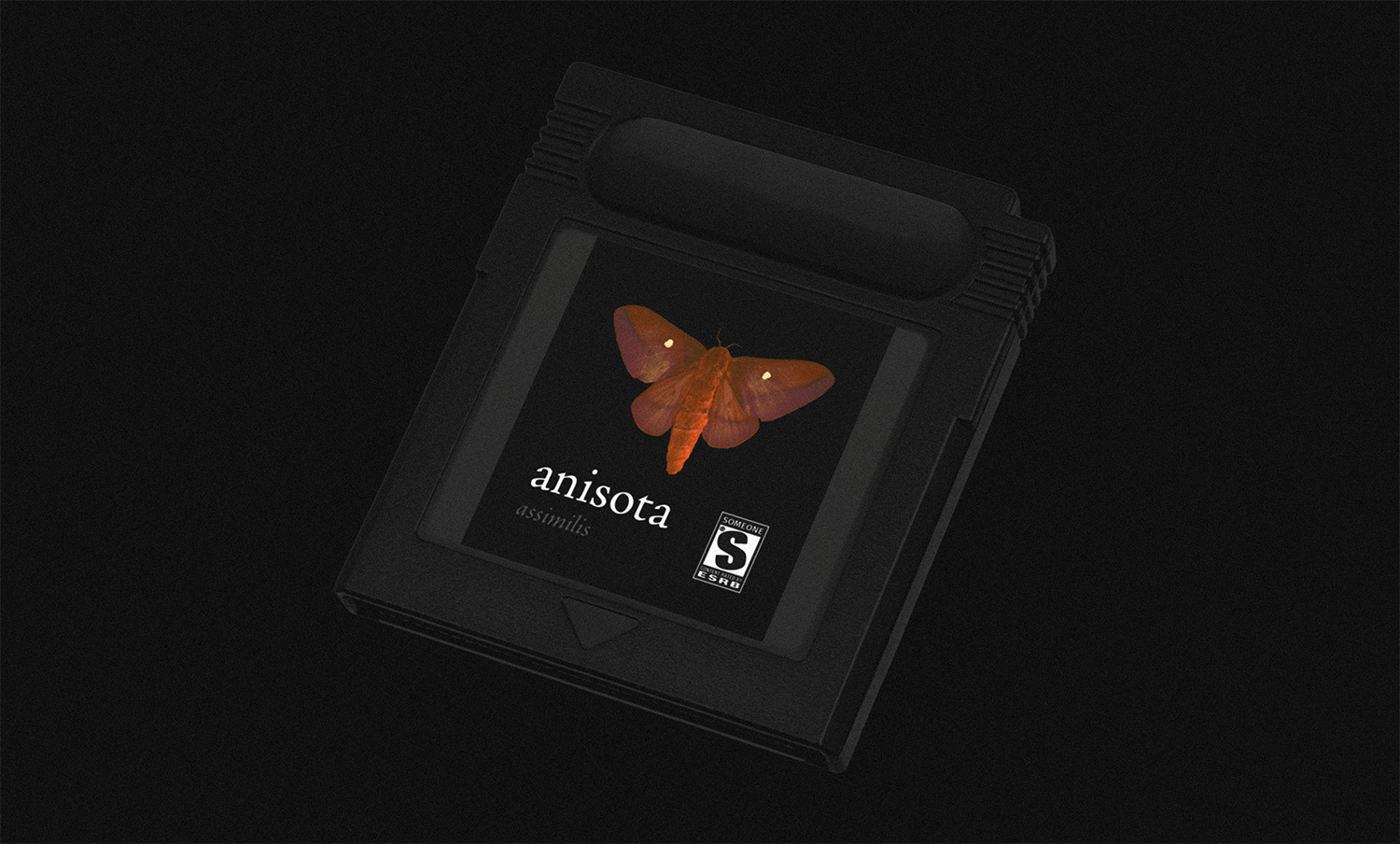
Anisota for Bluesky & ATProto
A radical yet peaceful user interface for using Bluesky, ATProto, and other ATmosphere-based social media more intentionally.
Wesley Finck (@wesleyfinck.org)
technical co-founder & CTO @cosmik.network protocols > platforms curation > feeds movements > products commons > enclosure
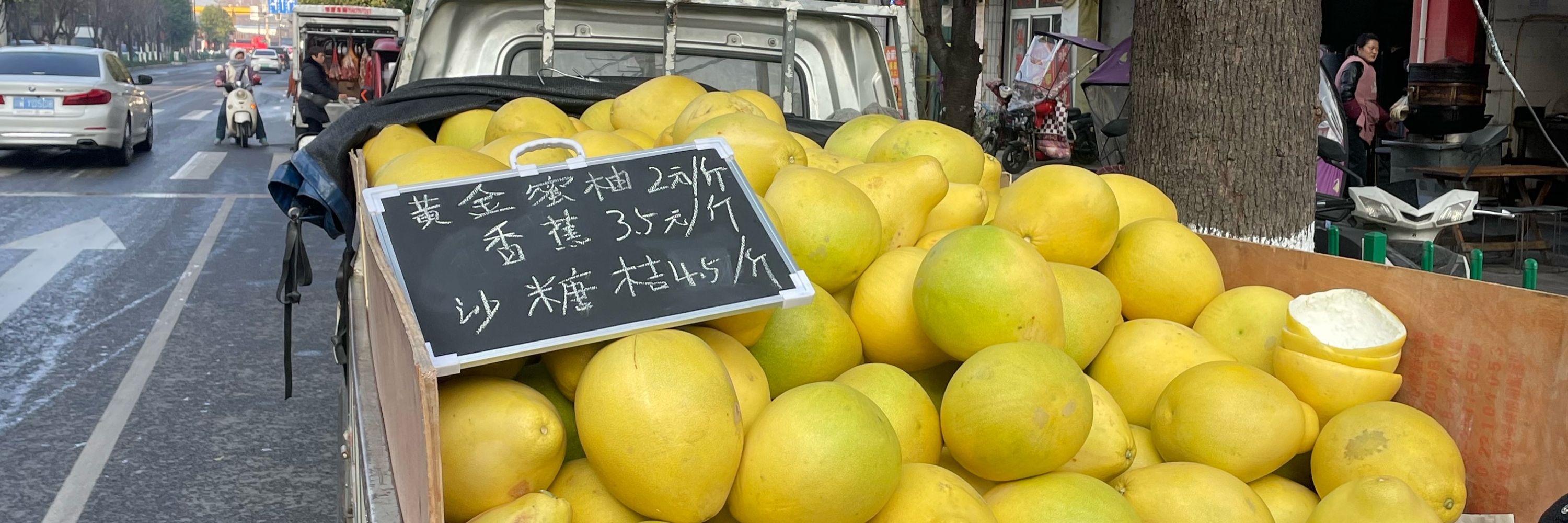
Barry Webb Documents a Marvelous, Macro Array of Colorful Slime Molds
Thanks to Webb's up-close, high-resolution shots, we glimpse a phenomenally beautiful world that is otherwise virtually invisible.

Cosmik Updates: May 2026 - Cosmik Labs
We migrated the blog to Leaflet; The Semble community is cookin'!
Jwiki — The Jmail Encyclopedia
Jwiki (formerly Jikipedia) — Encyclopedia of the Epstein scandal, grounded in Jmail data. AI-generated from government releases.


vibe


ATmosphereConf 2026
ATmosphereConf 2026

Background Coding Agents: Context Engineering (Part 2) | Spotify Engineering

Harness engineering: leveraging Codex in an agent-first world
Introducing Claude Opus 4.6
Test (edited) (by Pouria) — Semble