We should get rid of the former, if we can, but we should absolutely keep the latter.
CMV: The labor theory of value is flawed
72 votes, 407 comments. This might be an obscure topic, however, in some—largely Marxist circles— the approach seems to motivate much of the dialogue…
Anarchy and modern convenience
A major part of anarchy and socialism is the concept of anti-work. An obsession with work is a colonial, patriarchal, and capitalist construct. As such, the anti-work movement—a focus on working less overall and sharing labor more equally—is an important part of decolonization, feminism, and anti-capitalism. A common criticism of this is that reducing the amount everyone works to something like 20 hours a week instead of 40+ means we would have to give up a lot of conveniences.

Work is a cult, here's how to escape
Anti-work
An obsession with work is a colonial, patriarchal, and capitalist construct. As such, the anti-work movement is an important part of decolonization, feminism, and anti-capitalism. Work is a tool of oppression By anti-work, I don’t mean that no one ever works. That’s preposterous of course. There are things that need to get done, and people need to do them. But this obsession with hard work as a virtue, as a good and righteous thing to do, the glorification of toil and sweat and labor… that’s a tool the wealthy who don’t work for a living use to oppress those who do.
AI Doesn’t Reduce Work—It Intensifies It
Aruna Ranganathan and Xingqi Maggie Ye from Berkeley Haas School of Business report initial findings in the HBR from their April to December 2025 study of 200 employees at a …
AI Doesn’t Reduce Work—It Intensifies It
One of the promises of AI is that it can reduce workloads so employees can focus more on higher-value and more engaging tasks. But according to new research, AI tools don’t reduce work, they consistently intensify it: In the study, employees worked at a faster pace, took on a broader scope of tasks, and extended work into more hours of the day, often without being asked to do so. That may sound like a win, but it’s not quite so simple. These changes can be unsustainable, leading to workload creep, cognitive fatigue, burnout, and weakened decision-making. The productivity surge enjoyed at the beginning can give way to lower quality work, turnover, and other problems. To correct for this, companies need to adopt an “AI practice,” or a set of norms and standards around AI use that can include intentional pauses, sequencing work, and adding more human grounding.

If You Want to Raise Birthrates, You Need to Fix Men
New evidence that patriarchy plus economic growth leads to declining birthrates

‘Shut up and focus on the mission’: Tech workers are frustrated by their companies’ silence about ICE
“I’ve hit my limit of what I’m willing to tolerate”

Erik Brynjolfsson on Twitter / X
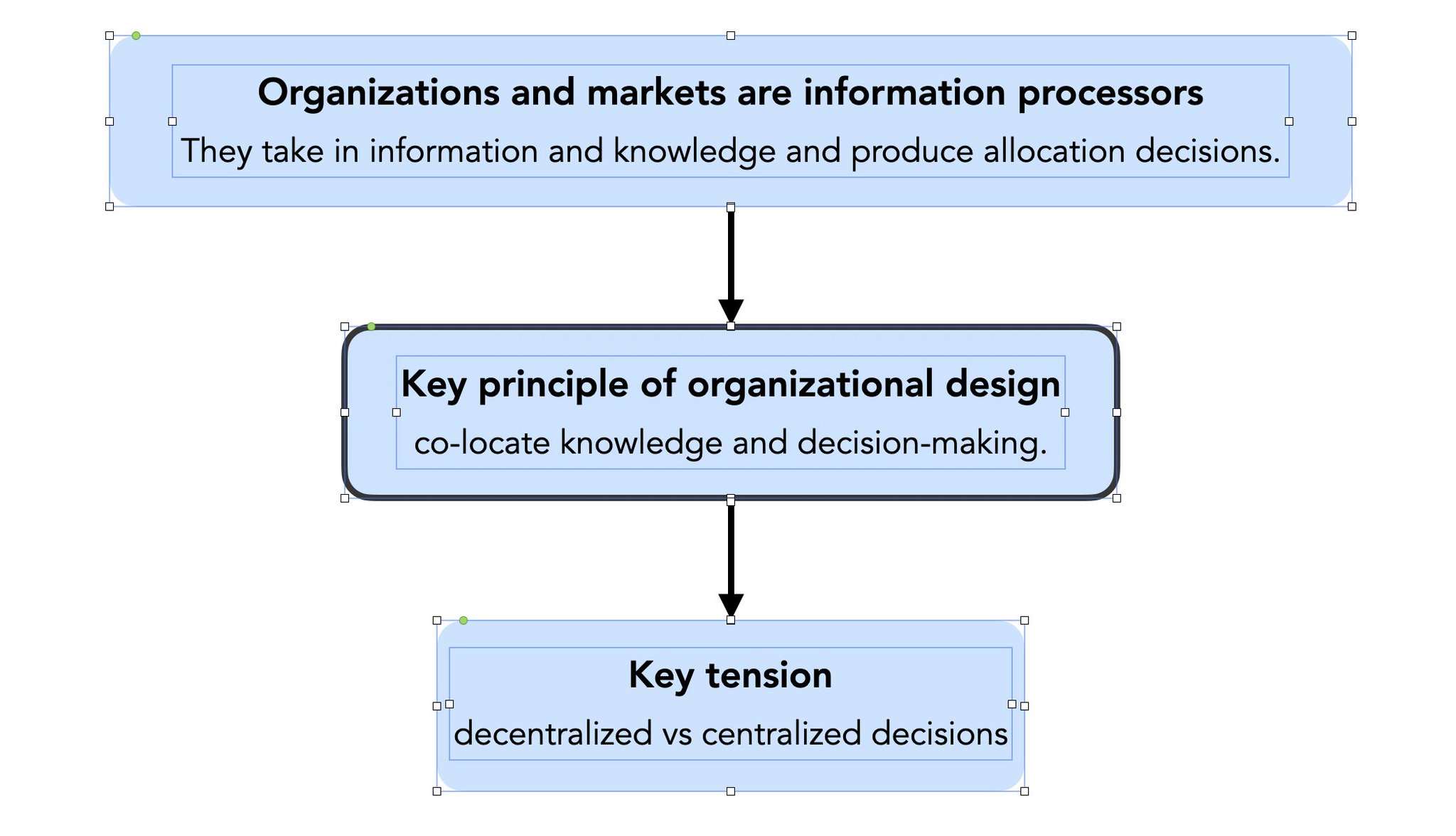
The @nytimes piece today by @ByrneEdsal13590 highlights a concern I share: “If we stay on the current path, the risk of extreme concentration — both economic and political — is very real.”In work with @zhitzig, we ask why AI may shift the balance between dispersed knowledge… pic.twitter.com/10vOTRj4Dq— Erik Brynjolfsson (@erikbryn) March 17, 2026
Inside the latest round of mass layoffs at Xbox
Multiple workers impacted by the latest job cuts at Xbox believe the decision will hamstring some studios.

Doing nothing at work
Many engineers should be doing less work. I don’t necessarily mean producing less code or fewer changes, but literally working fewer hours in the day. When they do work, they should be working at a slower pace. I like to aim to be running at 80% utilization by default: unless I have a high-pressure project going on, I spend 20% of my workday away from the computer.

The Missing Institution: A Global Dividend System for the Age of Transformative AI — Digitalist Papers
How do we share prosperity in society if work no longer sits at the center of people’s lives? In this essay, Anna Yelizarova explores one provocative possibility: a “global dividend.” If transformative AI shows little respect for national borders, with effects that spill across countries, then we ne

notes on the industrialisation of decision making
worrying away at an old subject

What happens when AI replaces the parts of work people love?
We’re using AI to move faster. I’m not yet convinced we’re using it to work better.
Being kicked out of the tech industry - Jacky Alciné
After 250 job applications in four months, I'm giving up.

Work Trend Index: Microsoft’s latest research on the ways we work.
The Work Trend Index provides data-driven insights to help people and organizations thrive amid ongoing change and disruption.