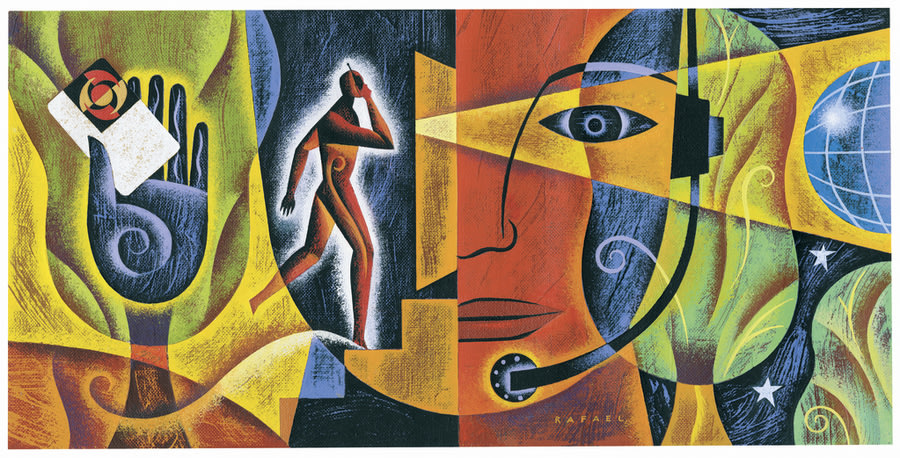
Woodcuts, tribal imagery, suns, curvy figures, aroma swirls, and earth tones: Evan Collins defines the look of the 90s
Club House Blend 10: Modern Jazz Monday | Atmospheric Instrumental Jazz for Coffeehouse Calm
toward a new aesthetic
Lately I’ve been thinking about what being online looks like. The actual look of it. The aesthetic. As I continue to think and write and talk about escaping...
Federating friendly spaces - Roomy
hearkening back to the cozy vibes of old-web neighborhoods
dekopon
exploring fashion and art through craftsmanship, versatility, and longevity. cultivating a loving relationship between person and garment. contending with nostalgia for icons of consumerism.

i quit coffee for 30 days (and it ruined my life)
Gradients of intimacy and creating shelter: An interview with Erin Kissane
How might we use nature as an inspiration for creating online communities?

Culturalizing sustainability
Policy-makers and scientists dominate high-level sustainability debates but any decision that follows has consequences for ordinary people in their local communities and environments. We asked experts to reflect on the importance of embracing a culturally informed, bottom-up approach to the sustainability discourse and action.

Reflections on AtmosphereConf
A reflection on AtmosphereConf, understanding this network as a subculture, joy, and what "We Can Just Do Things" actually means
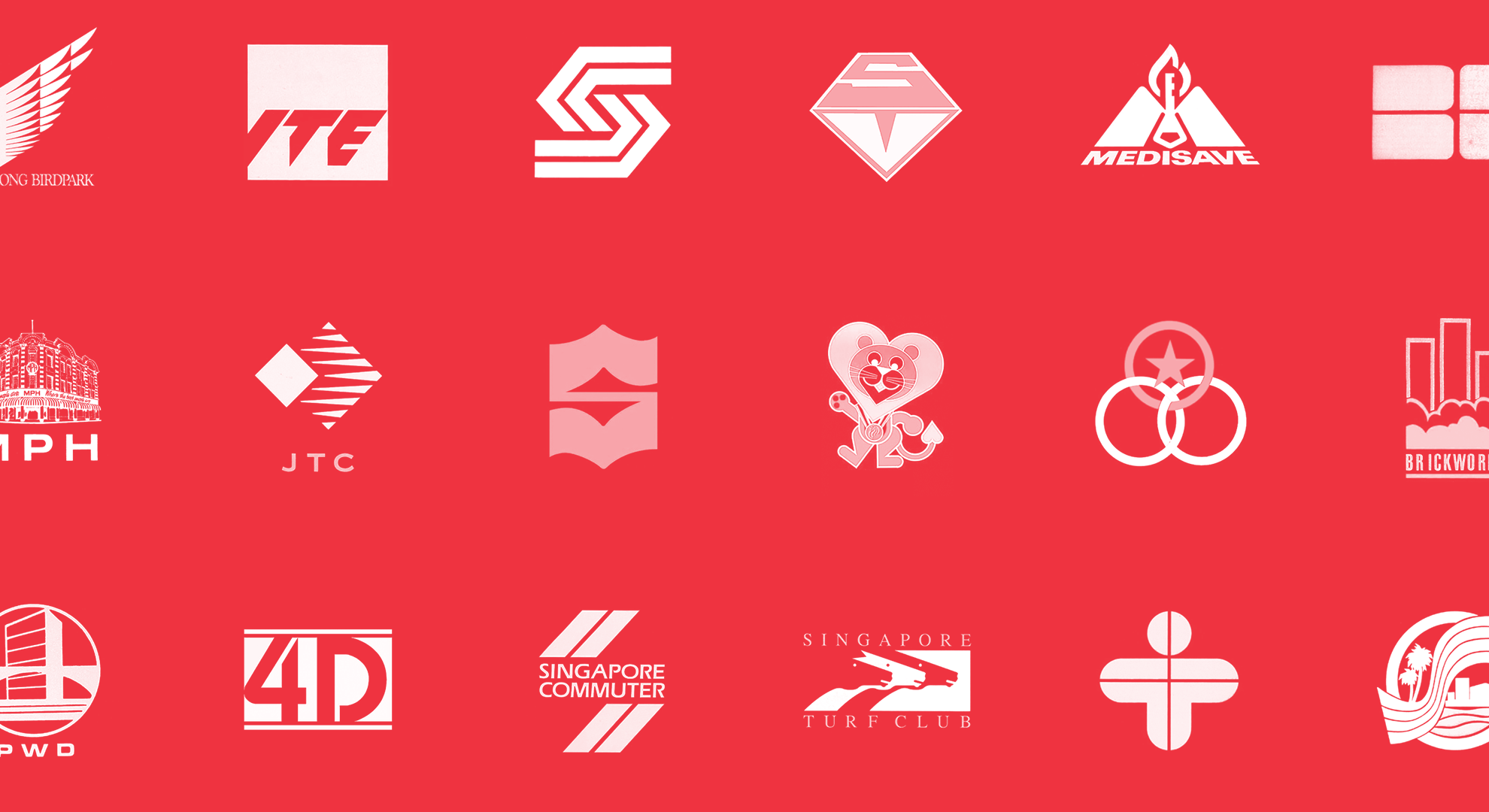
Singapore Graphic Archives
A collection of graphic design and document visual cultures from Singapore.
How To Do Abstract Street Photography Like Saul Leiter
The Great Season — 13FOREST Gallery
On Friday, January 24, 13FOREST Gallery will open The Great Season, an exhibition of new and recent acrylic work by painter Nicole Duennebier. Dark and sumptuous, The Great Season highlights a fantastical six-panel painting that associates the random beauty of nature with an elaborate 19th-century parlor game. Set against black backgrounds, Duennebier’s complex forms strongly refer to Baroque still-life paintings in which fruits and vegetables simultaneously emerge and pass into different stages of maturity. A key difference in Duennebier’s work is that, rather than render images of everyday objects, she bases them on her fascination with biology, particularly bacteria, fungi and other objects hidden from view. Referring to her use of darkness, the artist states that her inky backgrounds are “like a primordial soup, a pool of black that springs forth a decadent and sometimes horrible growth.” Each of the paintings in the show is associated with lush proliferation. In Bright Beast After Nature, for instance, a black background gives rise to a nebula of unfolding, biomorphic forms that seem to divide and overtake one another. Painted in thin, translucent layers, the work suggests a still life captured in only one of many stages it will eventually pass through. With Bright Beast Dissected View Duennebier gives an equally fantastic image of the engine behind such proliferation. Similar to vivisections seen in science textbooks, the painting shows the surface of a soft, woolly plant and the interior, biological source of its existence. In content the “engine” plays with the idea of a still life, but one made of flowers, vegetables and animal viscera. Duennebier’s centerpiece in The Great Season is a vast, six-panel painting titled, Hydnellum Myriorama. Its title refers to a type of fungus found in nature and to a Victorian card game – myriorama – in which children could arrange a series of illustrated cards to form hundreds of different landscapes. In Duennebier’s six panels are hybrid images that resemble Baroque still lifes, coral, fur, crystals and close-ups of microscopic fauna. Each of the forms emerges from nothing and stands bathed in a common light source. Despite the panels’ differing environments, Duennebier negates their importance by enabling viewers to arrange the panels into aesthetic experiences of their own choice. With Hydenellum Myriorama, the random potential of generation and decline in nature is given its parallel in art. Of her own work Duennebier states: “My interests in natural phenomenon (dermoid cysts, fungus, invasive flora/fauna) and my love of candied Old Master opulence always seem to be present in my painting… Painting with attention to detail, I’ve become accustomed to the fact that nature in itself, or anything living really, never totally allows you to have a perfectly idealized experience. Everything is always spewing, dripping, rotting a little.”

Introducing Acorn: Community Infrastructure That Grows With You
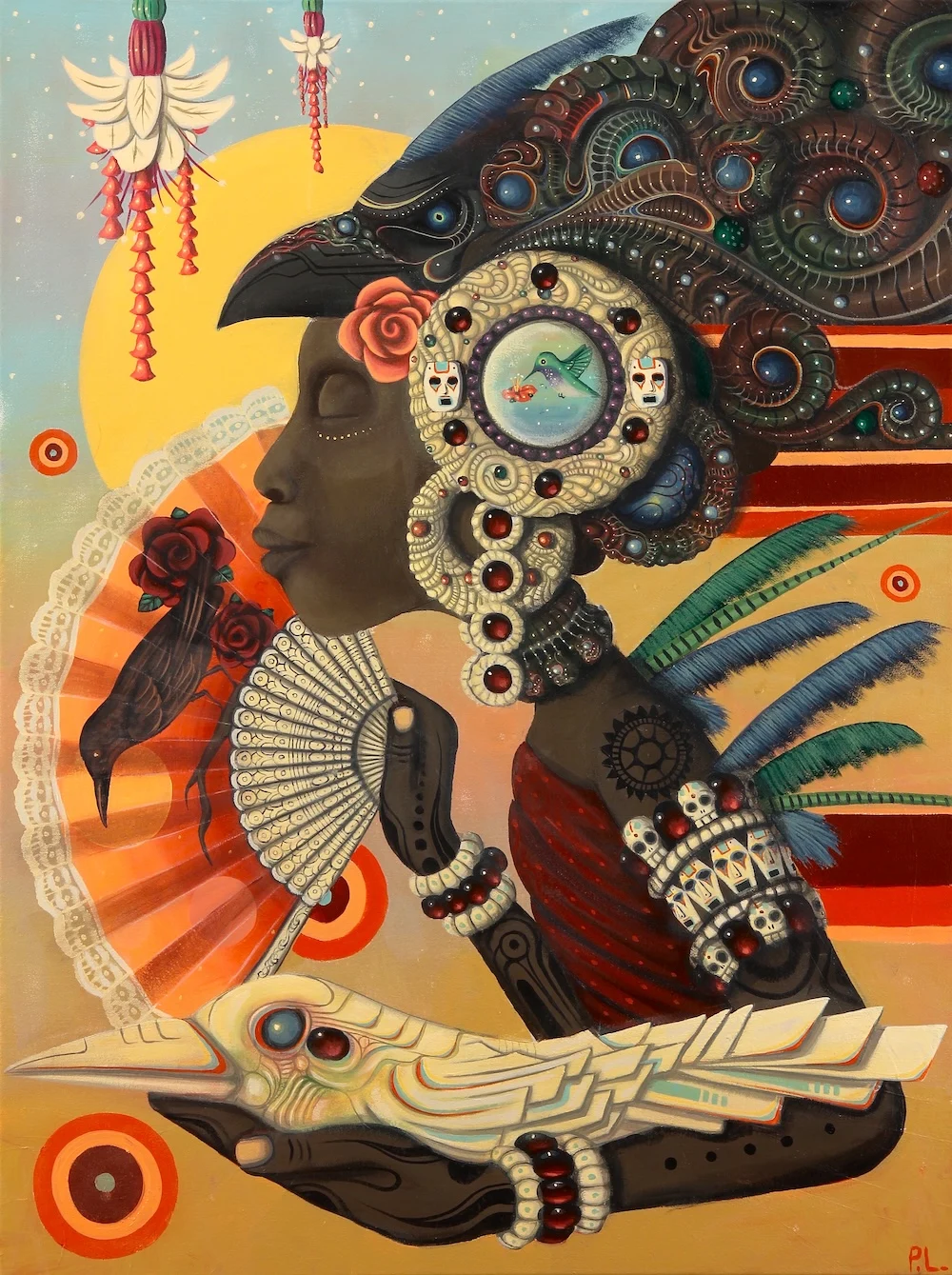
Featured image: Emergence by Paul Lewin
How Markdown took over the world - Anil Dash
A blog about making culture. Since 1999.
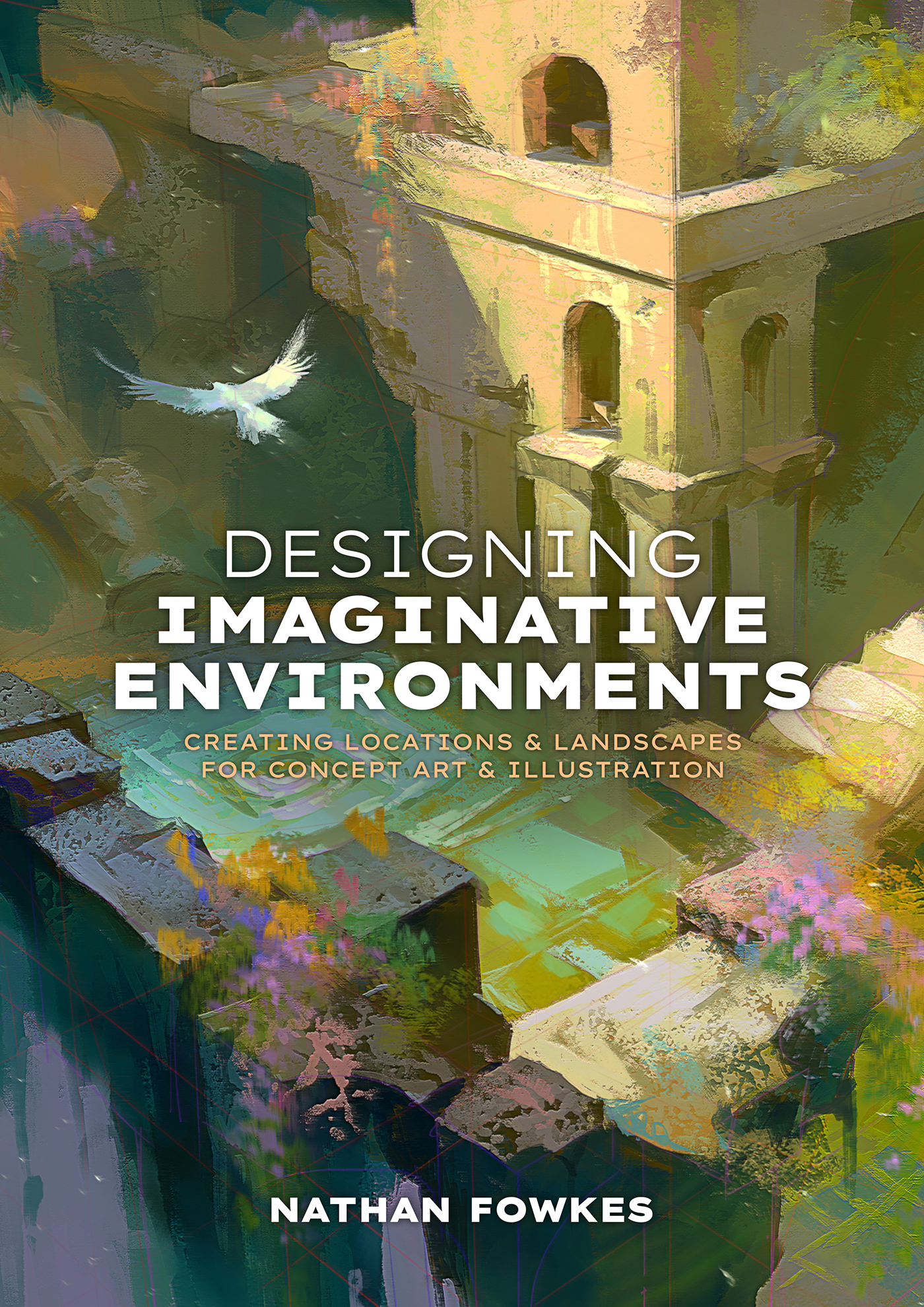
Designing Imaginative Environments by Nathan Fowkes
Join industry veteran Nathan Fowkes on a deep dive into the hows and whys of designing environments for entertainment. From creating mood with color and light, to exploring different biomes and weather, to crafting architecture and props, he will teach you how to design amazing environments that make your work stand out from the crowd.