


Automatic exchangers Bitcoin LN (BTC) to USDCoin POLYGON (USDC) provided at excellent rates (Bitcoin for USD Coin), in the list you will find online exchangers with an excellent reputation with competitive rates of exchange Bitcoin Lightning Network to USD Coin POLYGON
Swap BTC to USDCBASE with Lowest Fees: Bitcoin to USD Coin Exchange
Try instant BTC to USDCBASE exchange with Swapzone. Enjoy the best conversion rates, low fees. Swap Bitcoin to USD Coin in 6 easy steps, no sign-up hassle. Start now!
Deals
Find the best Usenet deals, discounts, and promotions from top Usenet providers.
China Just Built What NVIDIA Feared Most. I Saw It
Building EXCEPTIONAL speakers using MODERN TECHNIQUES
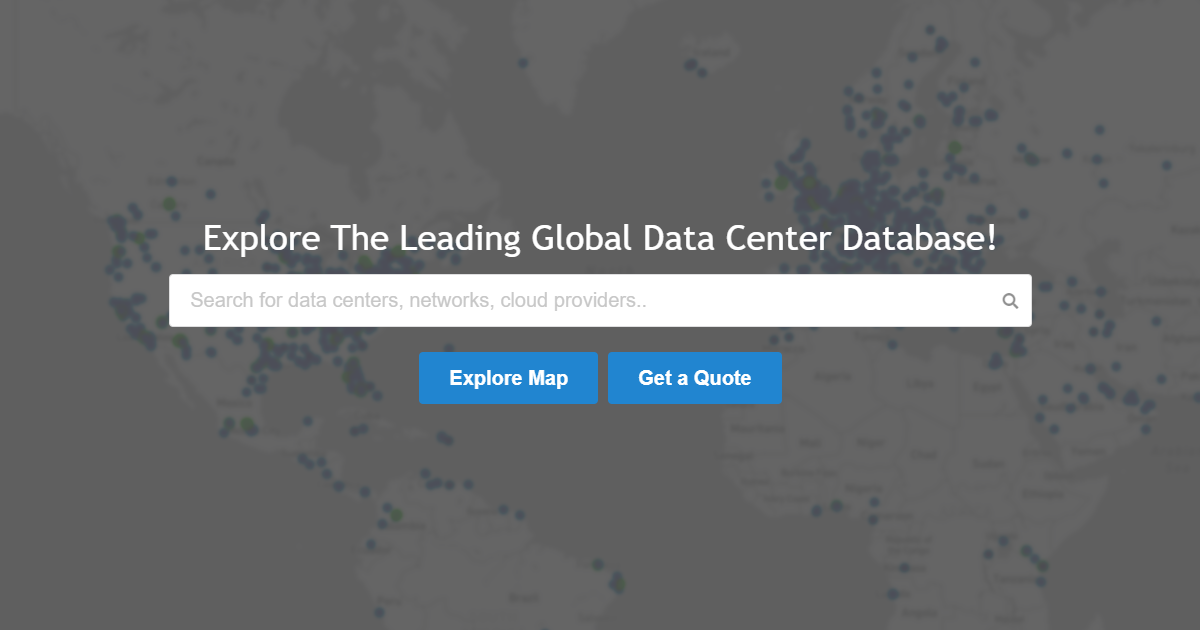
Data Centers - Database
Data Centers in Worldwide - List of Colocation and Cloud data facilities in Worldwide. Get Quotes and find Specs, Photos, Videos etc.
Rate Sharing - Freelance Solidarity Project
Our goal is to create a comprehensive database of rates for digital media freelancers across the industry.

Every layer of review makes you 10x slower
We’ve all heard of those network effect laws: the value of a network goes up with the square of the number of members. Or the cost of commun...
Inside China's Underground Claude Market
Inside China's Underground Claude Market
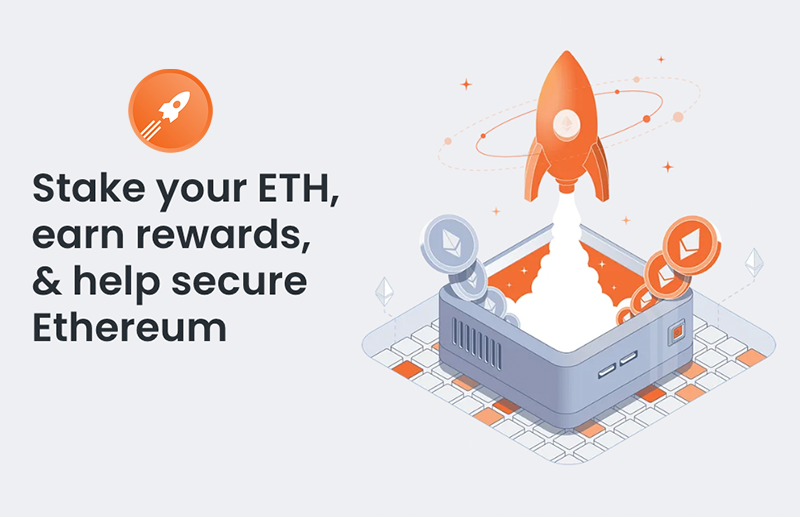
Rocket Pool - Decentralised Ethereum Liquid Staking Protocol
Your friendly decentralised Ethereum liquid staking protocol
Non-bluesky Public Hosted PDSs - Hilary's Leaflet
Existing public hosted PDS options. This also has some things I hope that anyone hosting a PDS will look at. (Backups, account creation and migration will be covered separately.)
Visit Japan Web | デジタル庁 ウェブサービス・アプリケーション
入国手続(入国審査、税関申告)及び免税購入に必要な情報を登録することができるウェブサービスです。


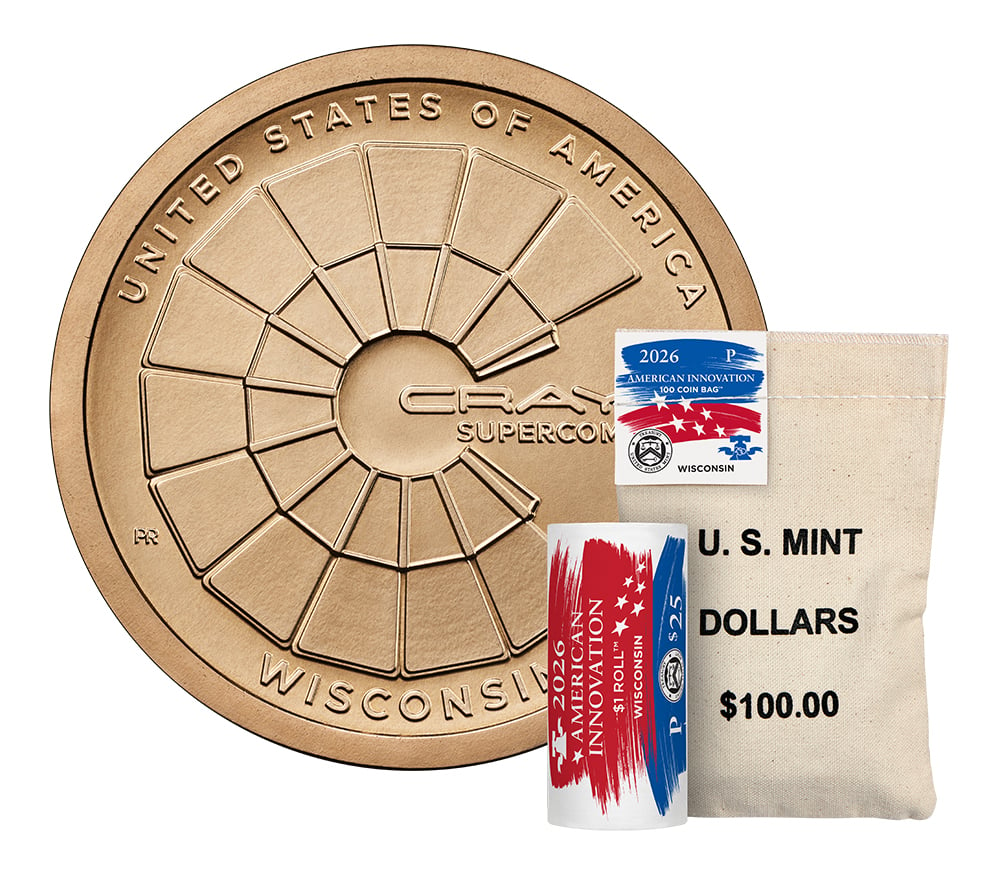
American Innovation $1 Coin 2026 Rolls and Bags - Wisconsin
American Innovation $1 Coins honoring innovation in Wisconsin Coins minted at the United States Mints in Philadelphia and Denver Available in 25-coin rolls and 100-coin bags The United States Mint American Innovation $1 Coin Program is a multi-year series honoring innovation and innovators with $1 coins from each state, District of Columbia, Puerto Rico, Guam, American Samoa, U.S. Virgin Islands, and Northern Mariana Islands. The American Innovation $1 Coins in the rolls and bags were minted at the Philadelphia and Denver Mints. The Wisconsin coin is the second of 2026. The Wisconsin American Innovation $1 Coin reverse (tails) design features the Cray-1, the first commercially successful supercomputer. Built from 1976 – 1982, it was known as the world’s fastest computer. The Cray-1’s unique circular design helped increase the speeds at which signals travel from one part of the computer to the other. This design exhibits a stylized aerial view of the Cray-1 supercomputer. The image emphasizes the Cray-1 not only through its shape, but by also suggesting the shape of a “C” for Cray-1 and “computer.” Inscriptions are “UNITED STATES OF AMERICA” and “WISCONSIN.” The additional inscription is “CRAY-1 SUPERCOMPUTER.” The obverse (heads) design features a dramatic representation of the Statue of Liberty in profile with the inscriptions “IN GOD WE TRUST” and “$1.” The design also includes a privy mark of a stylized gear, representing industry and innovation. In 2026, the privy mark will also incorporate a Liberty Bell with the inscription “250” to commemorate the semiquincentennial of our Nation’s founding. The year of minting, mint mark, and “E PLURIBUS UNUM” are incused on the edge of the coins.
TIL: Iroh: peer-to-peer networking for app developers
I came across Iroh (via, via) today as it hit 1.0 and found it a really interesting solution to a problem I knew existed but had not thought a lot about. Judging from the comment sections, it seems pretty clear that lots of people are confused as to exactly what Iroh is. I don’t think their launch post does their product justice at all, and their tagline is “IP addresses break, dial keys instead” which sounds cool, but if you think about it for just a second, you’ll end up with lots of questions. The biggest one is: “so how is this different from a mesh VPN like Tailscale, ZeroTier, Netbird, etc.?” It’s only after reading a lot of developers’ comments on the threads that I feel I understand: Iroh is aimed at application developers who want to communicate P2P between machines running their app, while mesh networks are aimed at network admins who want to connect devices they own/manage together.