The corporate jargon of change masks the decimation of intellectual life.
A programmer's loss of identity - ratfactor
This is the follow-up to last year’s I’m an American software developer and the "broligarchs" don’t speak for me. In that essay, I tried to express why I was so agonized by the leaders in my industry doing a speedrun towards dystopia and how it all felt so divorced from what technology could, and should be. Everything I wrote there is still true, but amplified.
AI-induced cultural stagnation is here - Fast Company
AI-mediated culture is already being filtered in ways that favor the familiar, the describable, and the conventional.

The Missing Institution: A Global Dividend System for the Age of Transformative AI — Digitalist Papers
How do we share prosperity in society if work no longer sits at the center of people’s lives? In this essay, Anna Yelizarova explores one provocative possibility: a “global dividend.” If transformative AI shows little respect for national borders, with effects that spill across countries, then we ne


notes on the industrialisation of decision making
worrying away at an old subject
Relocating Rigor - The Phoenix Architecture
The Discipline That Looks Like Recklessness
Education's Broken. Schools Out. | Systematic-X × Shared Mind
A unified movement for systemic change — integrating diplomatic architecture, open frameworks, and sovereign data models. Systematic-X × Shared Mind.
Worse on Purpose
Investigative essays on corporate enshittification — how the brands you trusted made everything worse on purpose, and who profits when they do.
AI, I tried to love you – Writings and rehearsals by Nathan Schneider
Among my peers who study the cultures and economies surrounding technology, I often find myself more tech-positive than most. On the whole I like computers, like the internet, and like in general the emergent human creativity that these things have enabled and revealed. A source of my appreciation is that I expend a lot of effort on the practice of “slow computing,” which is to say, choosing tools and technical communities that I can feel in right relationship with. I tend to approach new socio-technologies (like gig economies, blockchains, and social media) not from a perspective of why is this so bad? so much as asking how could we do this right?

How creatives and devs can all finally escape the control of the silicon valley of evil and make a trillion dollars · Multi-hyphenate
ft. ATprotocol (the remix)
The Internet Transition
The Internet is allowing us to build a richer, more complex society but the way in which we Internet today is failing to support the governance systems that a more complex world requires. I take a look at why these issues are related, try to develop an intuition for a way forward, and point at the emerging field that is coming together to build that future.

How creatives and devs can all finally escape the control of the silicon valley of evil and make a trillion dollars - Multi-hyphenate
ft. ATprotocol (the remix)
Field Theory: AI as Social Science Question, Object & Tool
Uses of advanced artificial intelligence are changing how societies organize labor, govern, produce knowledge, and make meaning. In light of these developments, this essay argues that AI models, tools, and systems pose three interrelated imperatives for social science: they demand renewed attention to social theories of how technology, human experience, and social order are entangled; they require study as objects of inquiry in their own right; and they offer capabilities that may transform—or upend—the practice of social investigation itself. From Weber’s analysis of rationalization to Du Bois’s study of technology and inequality to contemporary scholarship on algorithmic governance, the essay examines what social science distinctively offers: the capacity to historicize the apparently unprecedented, to trace connections across scales, and to center those most affected by technological change. It identifies how algorithmic systems are remaking the distribution of opportunity and risk as a central task of social inquiry and asks what futures social science might help bring into being.
Value(s): building a better world for all
A bold, urgent argument on the misplacement of value in…
Erik Brynjolfsson on Twitter / X
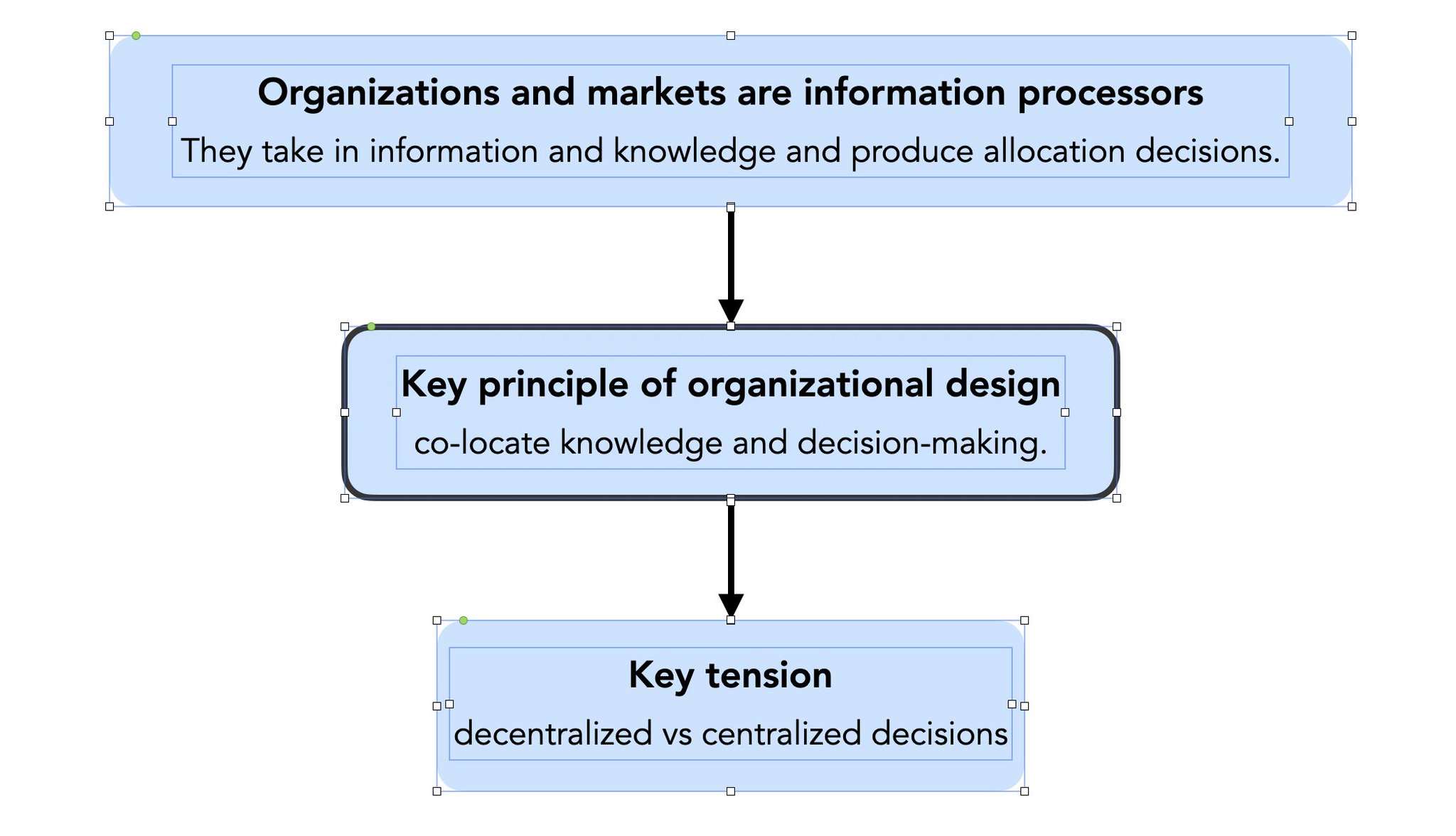
The @nytimes piece today by @ByrneEdsal13590 highlights a concern I share: “If we stay on the current path, the risk of extreme concentration — both economic and political — is very real.”In work with @zhitzig, we ask why AI may shift the balance between dispersed knowledge… pic.twitter.com/10vOTRj4Dq— Erik Brynjolfsson (@erikbryn) March 17, 2026
VC isn’t VC anymore — understanding the rise of Cancer Capital - Anil Dash
A blog about making culture. Since 1999.