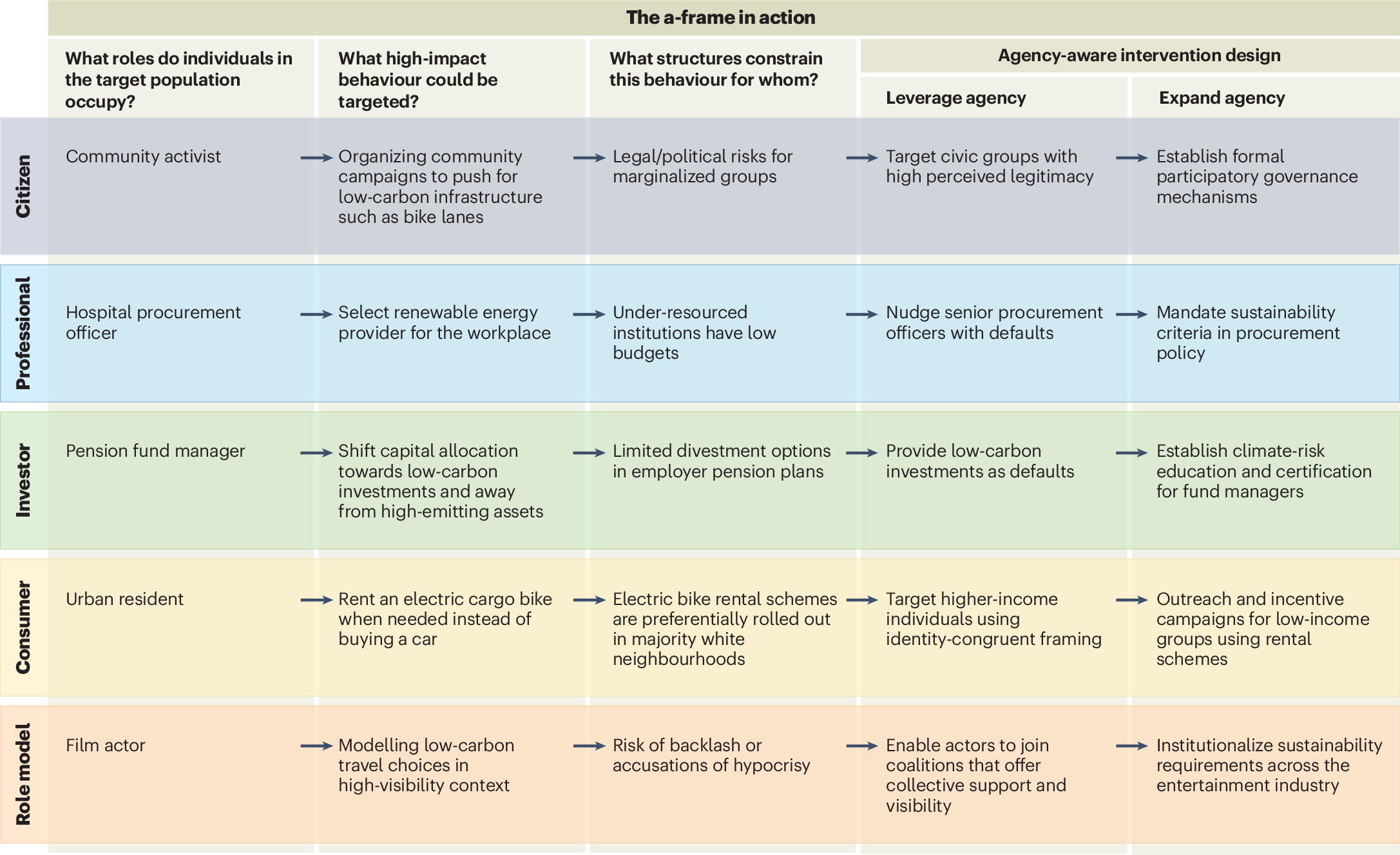
Thinking we have time left to address climate change, or that “Net Zero by 2050” will save us, is driving us toward full social collapse in ways that become more obvious with every new broken temperature record.
Humanity’s Endgame
A new history of societal collapse by an expert in existential risk argues that our globalized society is edging toward the precipice.

Climate doom may discourage climate action, but there’s a way to counter it
One way to guard against misinformation is to empower people to identify climate doom in the first place.

Correcting climate ‘misperceptions’ may not boost climate action - Carbon Brief
Most people "underestimate" general support for climate change and "overestimate" actual, real-world climate action.
Leveraging agency for climate change mitigation
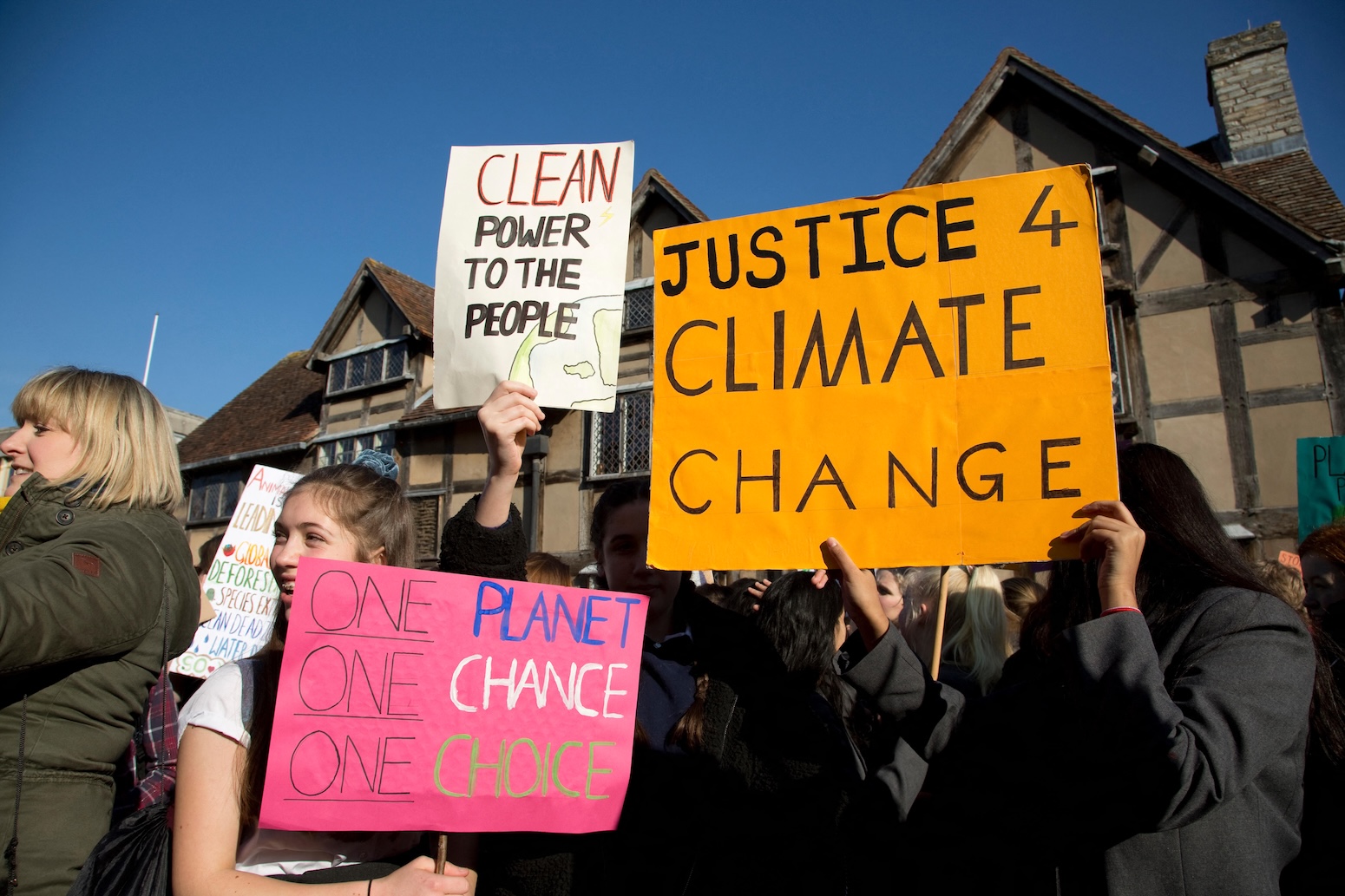
Climate debates often frame individual behaviour and systems change as distinct pathways to action. We suggest that social change arises from individuals’ agency within their roles in societal systems, and that this agency should be actively leveraged to achieve meaningful climate change mitigation.
Oil and Gas=Peril and Poverty/ Solar and Wind=Prosperity and Protection
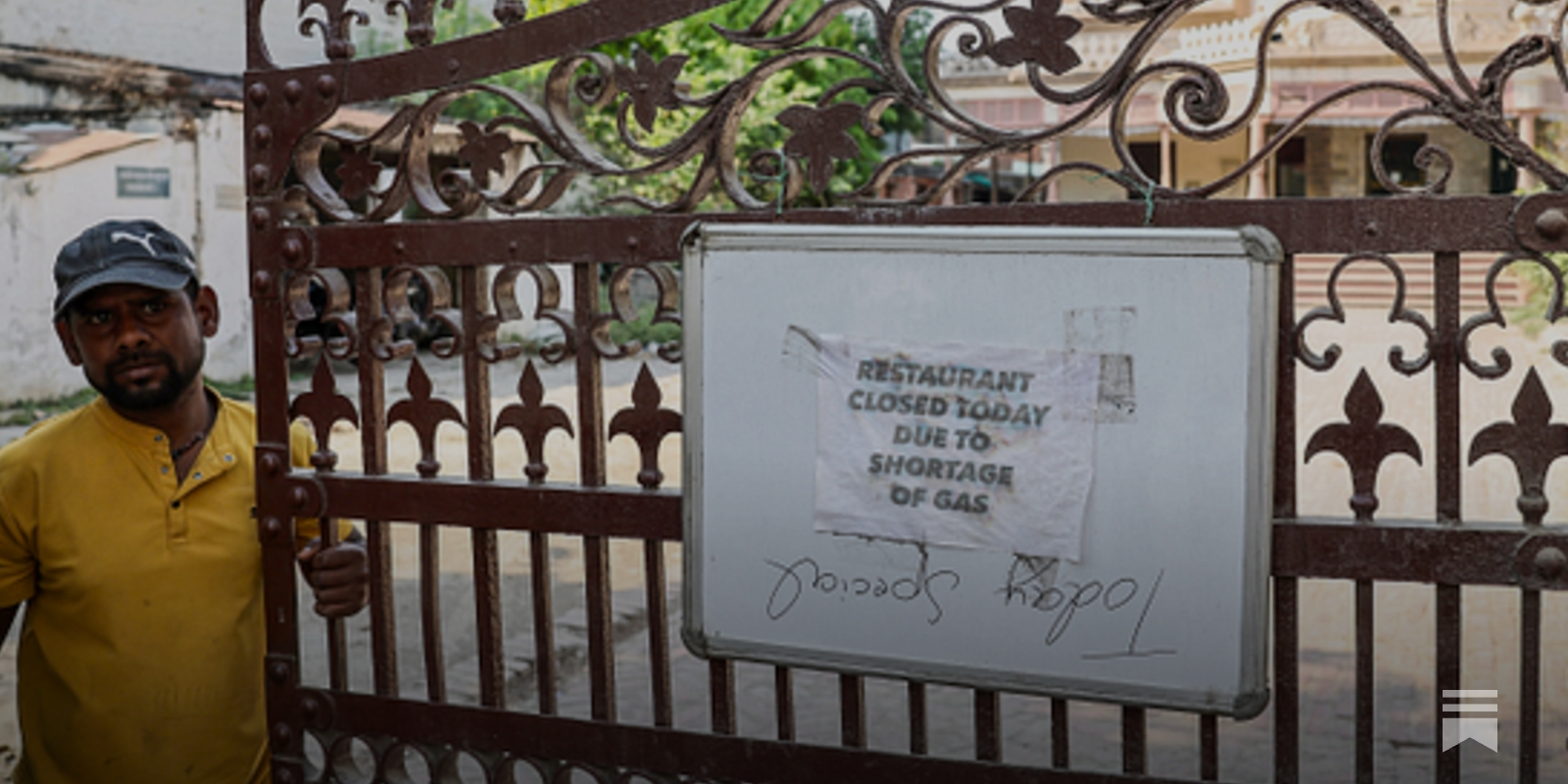
2026 has changed the psychological meaning of energy forever
Fighting for a Livable Future: Exploring Frontier Climate Interventions - The Great Simplification
While current conversations about global heating tend to center around a few well-established pieces of science, we don’t often hear about the scientists and leaders working at the frontier of what is still unknown about Earth’s systems. This includes unpredictable tipping points and cascading effects of our rapidly changing climate, as well as the unconventional adaptation strategies that might help us maintain a stable planet. What is the newest climate science being researched right now, and what areas are we still needing to explore as we fight for a livable future?

Village-scale resilience
The end-of-the-world already happened, it's just not evenly distributed. But with every end is a new beginning.

Europe 2031 — What getting AI wrong means for us
A five-year scenario about AI and Europe's impending slide into irrelevance, with a 2034 epilogue that describes how the collapse of the European model could have been prevented.
Amplifying climate resilience: The impact of social protection, social cohesion, and social capital on public support for climate change action
Traditional climate action strategies often overlook the critical role of social cohesion. This study explores how social protection programs and community unity can bolster climate resilience and ...

Climate Change: Global Crisis To Local Action By Kevin Anderson
The fastest way to lose someone in a climate conversation? Start with the facts. Climate scientist Katharine Hayhoe explains why people are more likely to engage when we begin with shared values… | TED Countdown
The fastest way to lose someone in a climate conversation? Start with the facts. Climate scientist Katharine Hayhoe explains why people are more likely to engage when we begin with shared values instead. ⬇️
Ex Oil-Engineer Turned Climate Whistleblower: We Face COLLAPSE | Aaron Bastani Meets Kevin Anderson
The Return of the Cutting-Off Way
Structural changes are driving us towards a more chaotic world, defined by "neither peace nor war, but conflict."

Summer’s new normal is a hazard that’s testing Europe’s climate resilience
As people across Europe are having to acclimatise to an unprecedented heatwave, coordinated responses for tackling extreme heat need to come from the top, and there’s no time to lose.

Fighting for a Livable Future: Exploring Frontier Climate Interventions with Kelly Erhart
Erik Brynjolfsson on Twitter / X
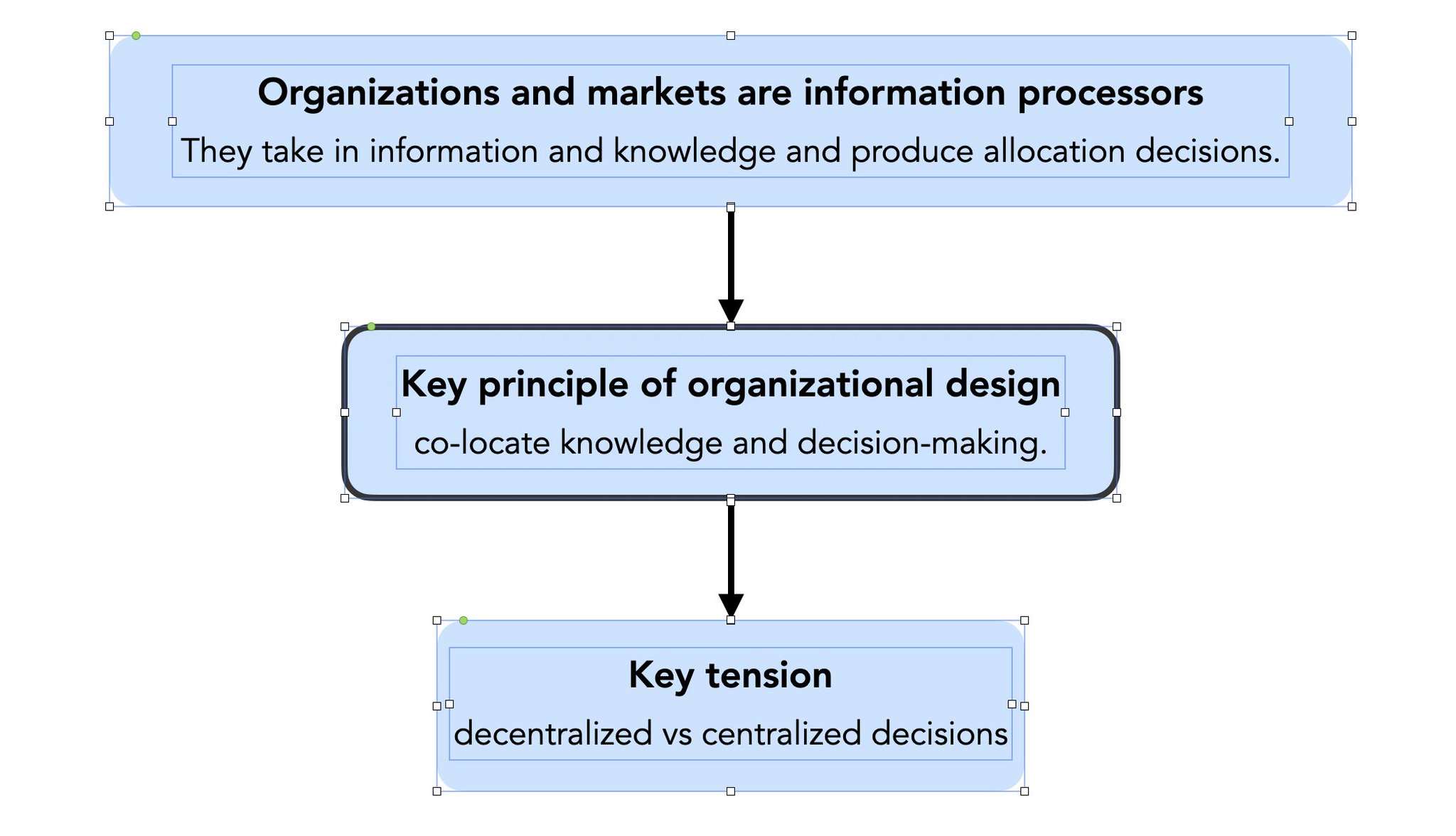
The @nytimes piece today by @ByrneEdsal13590 highlights a concern I share: “If we stay on the current path, the risk of extreme concentration — both economic and political — is very real.”In work with @zhitzig, we ask why AI may shift the balance between dispersed knowledge… pic.twitter.com/10vOTRj4Dq— Erik Brynjolfsson (@erikbryn) March 17, 2026