


exploring fashion and art through craftsmanship, versatility, and longevity. cultivating a loving relationship between person and garment. contending with nostalgia for icons of consumerism.
Sizing chaos
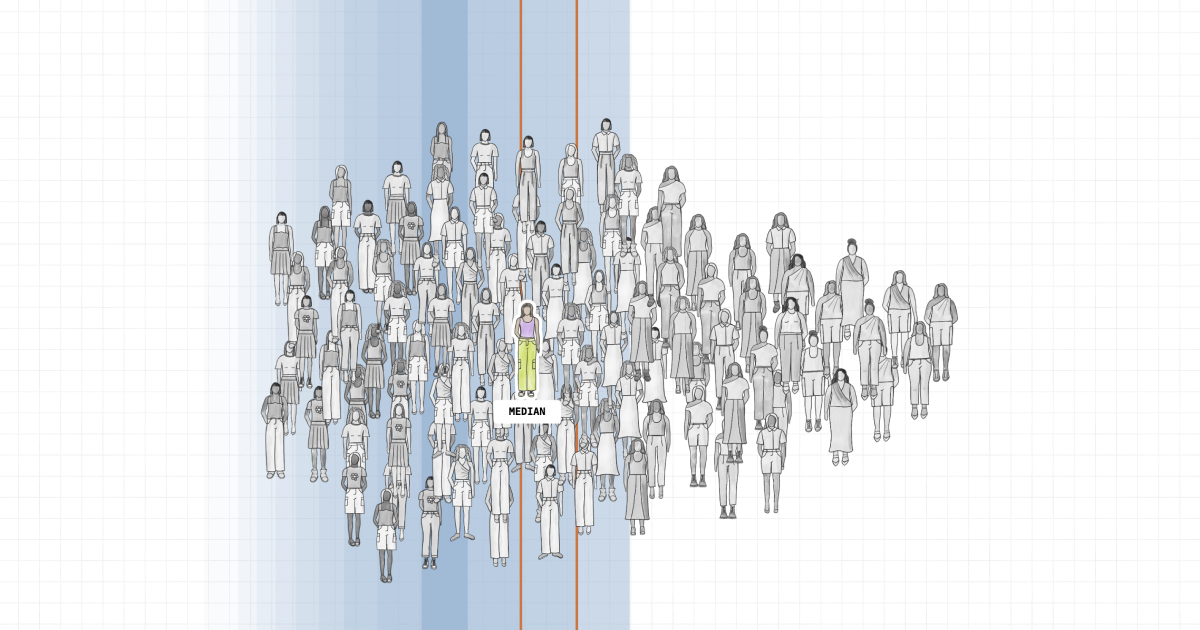
The inter-generational struggle to find clothes that fit more than a tiny portion of women
The Global Village Coffeehouse Aesthetic | Are.na Editorial
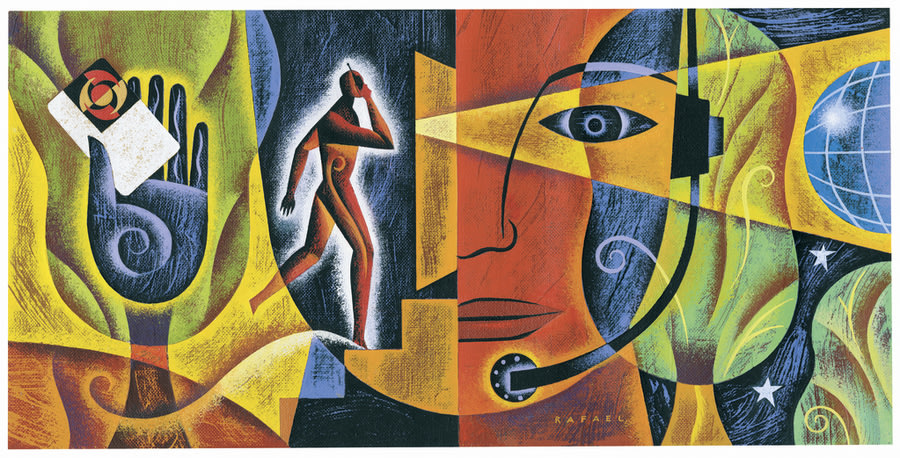
Woodcuts, tribal imagery, suns, curvy figures, aroma swirls, and earth tones: Evan Collins defines the look of the 90s
Ditherpunk — The article I wish I had about monochrome image dithering — surma.dev
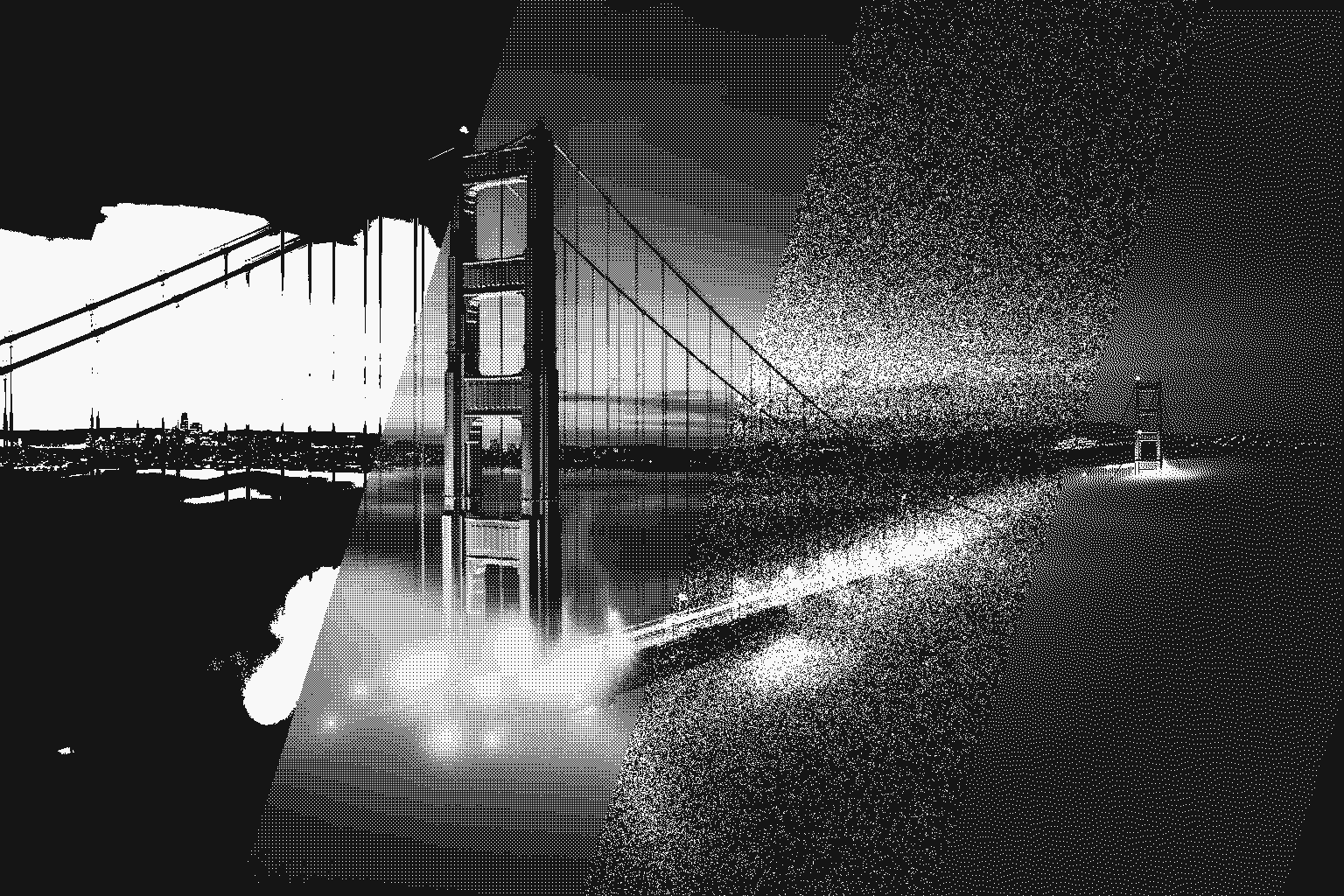
I always loved the visual aesthetic of dithering but never knew how it’s done. So I did some research. This article may contain traces of nostalgia and none of Lena.
Everything I Love | Chia Amisola
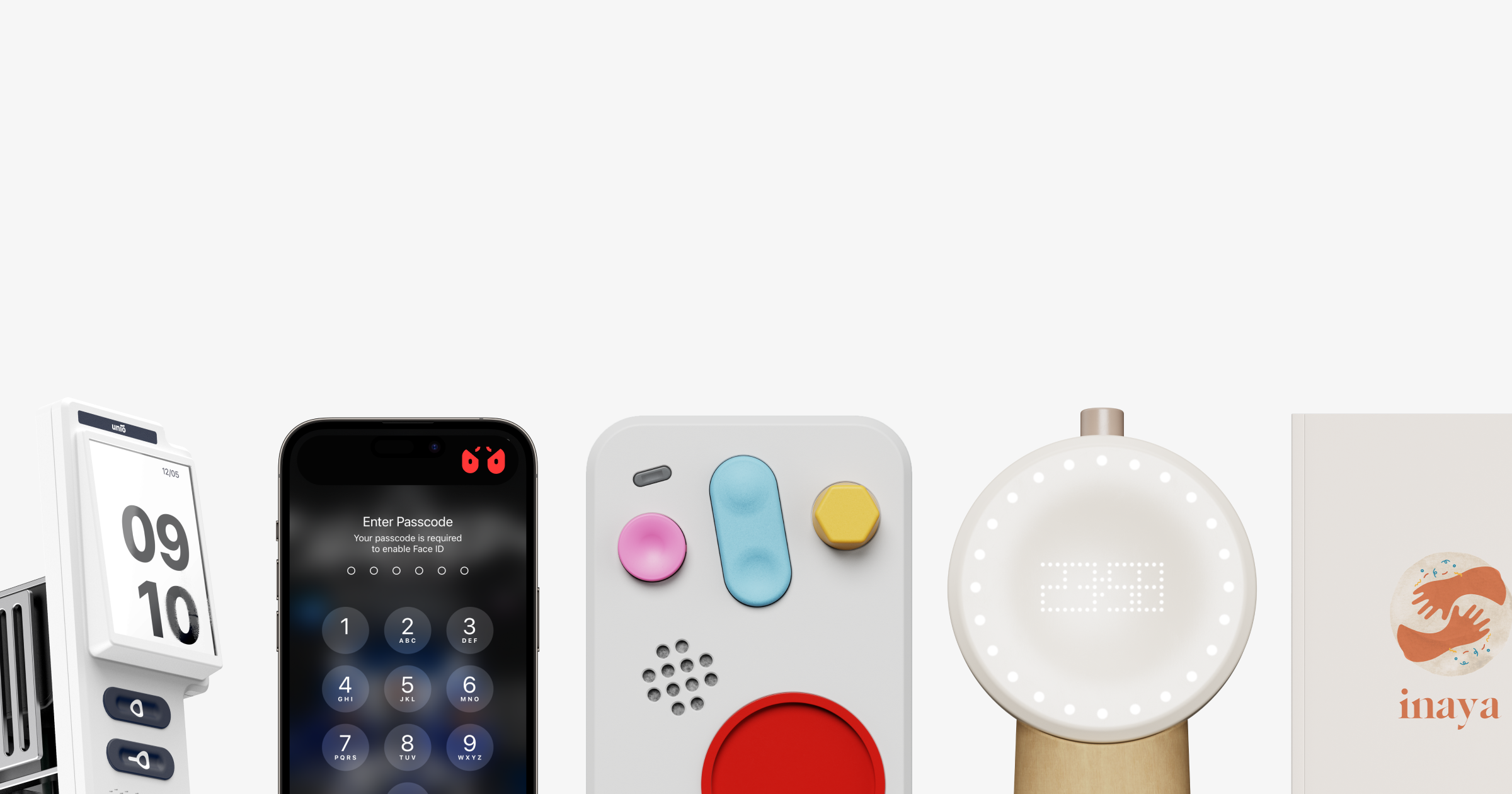
Chia Amisola is devoted to the internet's loss, love, labor, and liberation, particularly of the third world experience. An artist & technologist, they unravel systems and narratives that condition & emerge from technology, and the intimacies & infrastructures beneath them. Their 'internet ambient' works build dense, durational, hypertextual worlds that entangle Philippine specificity and universal conditions.
Gurafiku: Japanese Graphic Design
The Gurafiku archive of Japanese graphic design is a collection of visual research surveying the history of graphic design in Japan.

Escaping the Calculating Machine
Rhizome champions born-digital art and culture through commissions, exhibitions, scholarship, and digital preservation.

The End of Textuality - Real Housewives of San Francisco
Authenticity in the age of GenAI
People don't buy who they are. They buy who they want to become.
Why the most successful brands build against a muse, not a demographic
A Catalog of an Entire House/Life
In a period of four years, Belgian photographer Barbara Iweins took a photo of every single thing in her house, “from my daughters torn sock to my sons

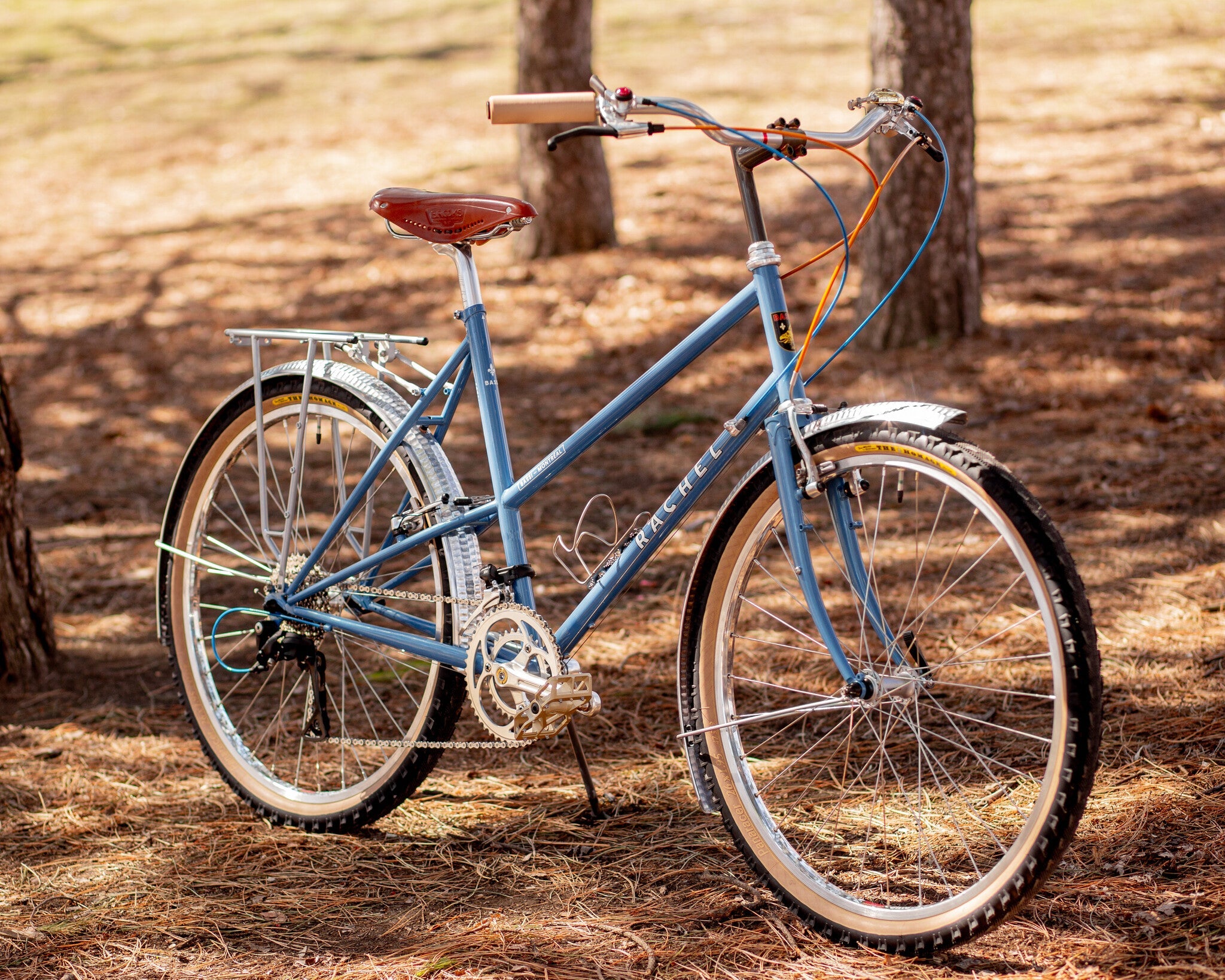
Paola's Rachel
Paola recently went on pilgrimage to the greatest bike shops of Japan, came back with the nicest assortment of parts, and said “build me a bike!” We obliged, and with this Monet-blue Rachel frame as the foundation, everything came together into the loveliest custom we’ve seen in a minute. With highlights from Crumbwork
Home - Aiap
Dal 1945, insieme ai nostri soci, promuoviamo la cultura e la professionalità del design della comunicazione visiva.

Dami Lee on Instagram: "What holds up a society? This art piece in Korea stopped me cold, and I haven’t stopped thinking about it since. 180,000 tiny figures. Arms raised. A glass floor you’re meant to walk on. The artist is Do Ho Suh, and the question he’s asking feels more urgent than ever right now: is it the collective that holds everything up, or the individual? Because both stories have produced extraordinary things. Korea’s GDP per capita in the 1960s was lower than Sudan’s. Sixty years later, it’s the twelfth largest economy in the world. Built on coordination, sacrifice, twelve-hour days, families who gave everything for the next generation. And then there’s the Western story. The entrepreneur. The innovator. The one who puts a car in space but somehow can’t build affordable housing or a high-speed rail. As the world order gets reshaped in real time, I keep coming back to this floor. Who’s actually holding it up? And does the person walking on it ever think to look down? Tell me what you think in the comments. #DoHoSuh #KoreaArt #ContemporaryArt #PublicArt #SeoulArt"
14K likes, 59 comments - damileearch on June 11, 2026: "What holds up a society? This art piece in Korea stopped me cold, and I haven’t stopped thinking about it since. 180,000 tiny figures. Arms raised. A glass floor you’re meant to walk on. The artist is Do Ho Suh, and the question he’s asking feels more urgent than ever right now: is it the collective that holds everything up, or the individual? Because both stories have produced extraordinary things. Korea’s GDP per capita in the 1960s was lower than Sudan’s. Sixty years later, it’s the twelfth largest economy in the world. Built on coordination, sacrifice, twelve-hour days, families who gave everything for the next generation. And then there’s the Western story. The entrepreneur. The innovator. The one who puts a car in space but somehow can’t build affordable housing or a high-speed rail. As the world order gets reshaped in real time, I keep coming back to this floor. Who’s actually holding it up? And does the person walking on it ever think to look down? Tell me what you think in the comments. #DoHoSuh #KoreaArt #ContemporaryArt #PublicArt #SeoulArt".

Pictosky ✦ Retro Drawing for Bluesky
Draw on a vintage-style canvas and publish your masterpieces directly to your Bluesky feed!

The Great Season — 13FOREST Gallery
On Friday, January 24, 13FOREST Gallery will open The Great Season, an exhibition of new and recent acrylic work by painter Nicole Duennebier. Dark and sumptuous, The Great Season highlights a fantastical six-panel painting that associates the random beauty of nature with an elaborate 19th-century parlor game. Set against black backgrounds, Duennebier’s complex forms strongly refer to Baroque still-life paintings in which fruits and vegetables simultaneously emerge and pass into different stages of maturity. A key difference in Duennebier’s work is that, rather than render images of everyday objects, she bases them on her fascination with biology, particularly bacteria, fungi and other objects hidden from view. Referring to her use of darkness, the artist states that her inky backgrounds are “like a primordial soup, a pool of black that springs forth a decadent and sometimes horrible growth.” Each of the paintings in the show is associated with lush proliferation. In Bright Beast After Nature, for instance, a black background gives rise to a nebula of unfolding, biomorphic forms that seem to divide and overtake one another. Painted in thin, translucent layers, the work suggests a still life captured in only one of many stages it will eventually pass through. With Bright Beast Dissected View Duennebier gives an equally fantastic image of the engine behind such proliferation. Similar to vivisections seen in science textbooks, the painting shows the surface of a soft, woolly plant and the interior, biological source of its existence. In content the “engine” plays with the idea of a still life, but one made of flowers, vegetables and animal viscera. Duennebier’s centerpiece in The Great Season is a vast, six-panel painting titled, Hydnellum Myriorama. Its title refers to a type of fungus found in nature and to a Victorian card game – myriorama – in which children could arrange a series of illustrated cards to form hundreds of different landscapes. In Duennebier’s six panels are hybrid images that resemble Baroque still lifes, coral, fur, crystals and close-ups of microscopic fauna. Each of the forms emerges from nothing and stands bathed in a common light source. Despite the panels’ differing environments, Duennebier negates their importance by enabling viewers to arrange the panels into aesthetic experiences of their own choice. With Hydenellum Myriorama, the random potential of generation and decline in nature is given its parallel in art. Of her own work Duennebier states: “My interests in natural phenomenon (dermoid cysts, fungus, invasive flora/fauna) and my love of candied Old Master opulence always seem to be present in my painting… Painting with attention to detail, I’ve become accustomed to the fact that nature in itself, or anything living really, never totally allows you to have a perfectly idealized experience. Everything is always spewing, dripping, rotting a little.”

vibe

ATmosphereConf 2026
ATmosphereConf 2026

Background Coding Agents: Context Engineering (Part 2) | Spotify Engineering

Harness engineering: leveraging Codex in an agent-first world
Introducing Claude Opus 4.6
Test (edited) (by Pouria) — Semble