

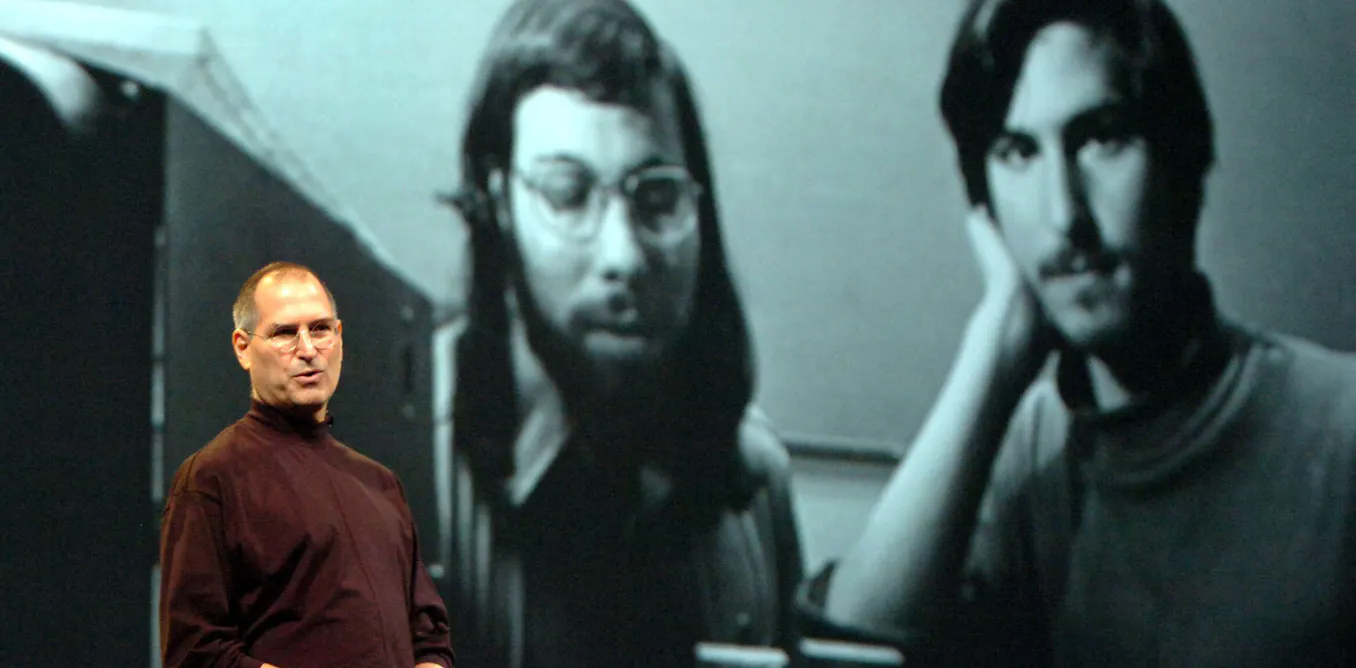
Apple at 50: eight technology leaps that changed our world
From Apple II to the iPhone, time and again this extraordinary company has anticipated the value of opening up computing to everyone.
Calm Technology
Bits flowing through the wires of a computer network are ordinarily invisible. But a radically new tool shows those bits through motion, sound, and even touch. It communicates both light and heavy network traffic. Its output is so beautifully integrated with human information processing that one does not even need to be looking at it or near it to take advantage of its peripheral clues. It takes no space on your existing computer screen, and in fact does not use or contain a computer at all. It uses no software, only a few dollars in hardware, and can be shared by many people at the same time. It is called the "Dangling String".
In defense of not reading the code | Ben Shoemaker
Last week, I wrote an article whose purpose was to discuss where I saw AI-assisted coding going. That's not what generated 200 comments worth of passionate...
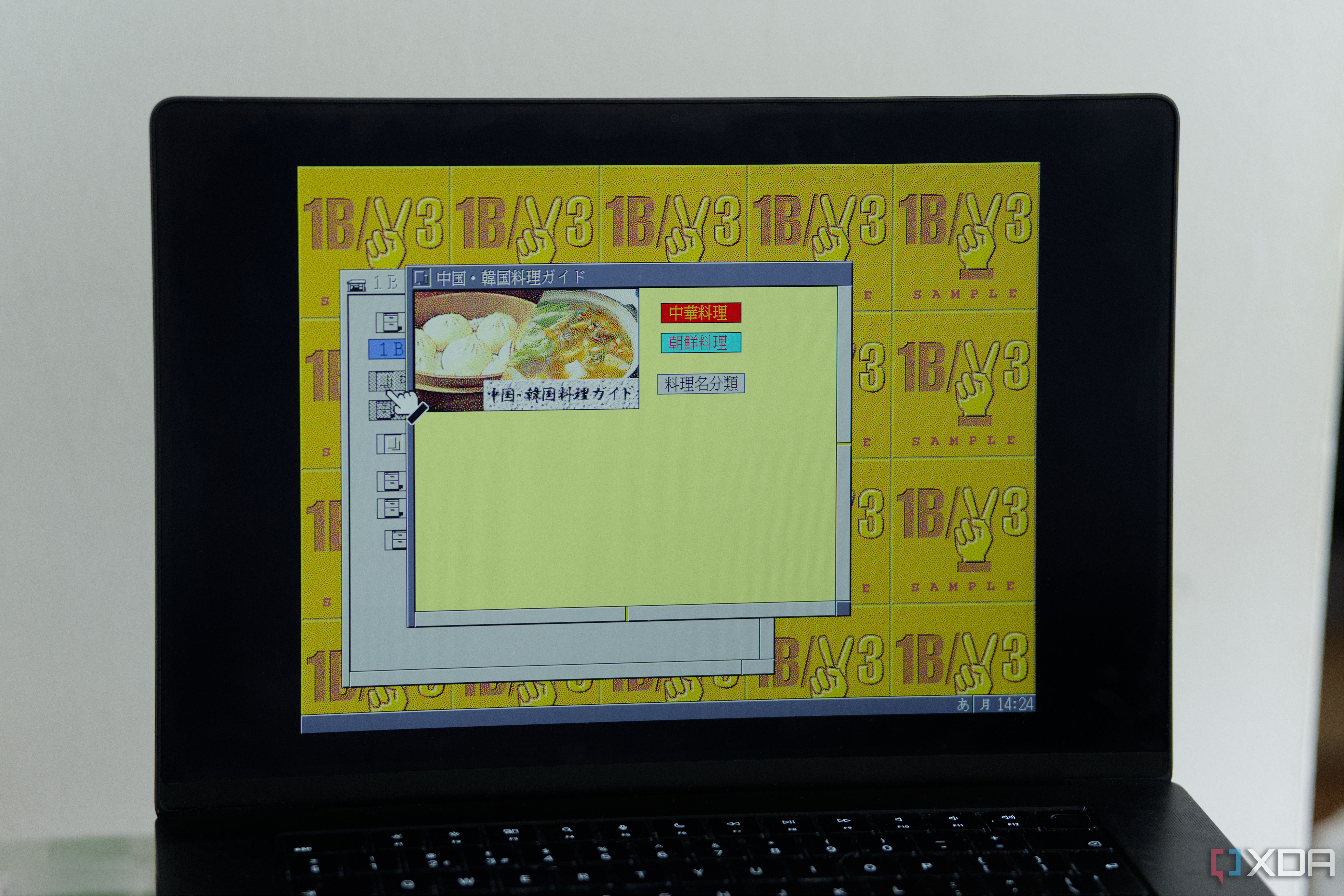
Japan tried to build an operating system for the entire world, then the US government intervened
TRON was an ambitious project to say the least, and after a good start, it suddenly came to a screeching halt.
I hate compilers
You'd think that given the same bytes of input you'd get the same bytes of output. lol. lmao. No, you don't. It's complicated.
What Even Is An OS Now?
Computers now work the way I thought they did when I was 8. What does computing look like when most applications have an audience of 1-2 people? I'm leaving Fly.io to build a phone for that world.

ATproto: The Enshittification Killswitch That Enables Resonant Computing
Disclosure: I’m on the board of Bluesky, which was inspired by my “Protocols, Not Platforms” paper. But this post isn’t about Bluesky the app. It’s about the underlyin…

Freefall 4399 July 13, 2026
TRANSCRIPT Sam: Telling the computer what I want to have done. It makes my job easy. I don't know how it works. I don't know what I'm actually doing. Sam: I've always assumed the other guys know what they're doing. If they're using A.I. as well... this could be a problem. Sam: It makes it too obvious that almost nobody knows what they're actually doing. That destroys one of the illusions societies are built on.
On-device intelligence for every product
We're building a frontier lab for on-device AI. Small, specialized models for audio, vision, and text, faster than the cloud and free.
blog.trillia.net
Sorrel is an idea for device management in applications that use Iroh. Iroh facilitates direct connections between devices using key pairs for identity/addressing. Once a device knows the public key of another device, Iroh will reliably (magically) connect them. But the device first needs to know which device it wants to talk to.
Janet Jackson had the power to crash laptop computers - The Old New Thing
Not an artistic judgement. Just a technical one.
I don't like passkeys | Ethan Hawksley
Why passkeys are a step back for personal security: examining account lockout risks, platform lock-in, hardware key limits, and fragile recovery flows.
Something that struck me reading about the history of the Apple I computer was the fairly simple “ASCII bus” that it used for input and output. As I understand it a hobbyist back in the day could get an ASCII keyboard that quite literally presented as an interface a header giving 7-bits of ASCII and an additional strobe pin that indicated that a key had been pressed. Press the “A” key on the keyboard and the 7-bits representing the letter “A” in ASCII would be set high/low on 7 output pins and the strobe pin would momentarily go high. Needless to say, the Apple I was wired up in such a way that when the strobe pin pulsed it would immediately fetch the 7-bits of ASCII from the keyboard.
