

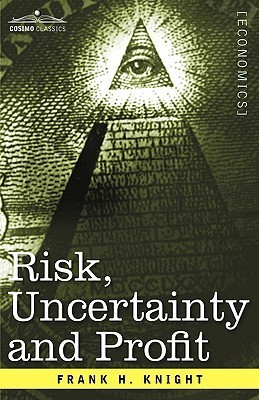
A timeless classic of economic theory that remains fasc…
CMV: The labor theory of value is flawed
72 votes, 407 comments. This might be an obscure topic, however, in some—largely Marxist circles— the approach seems to motivate much of the dialogue…
notes on the industrialisation of decision making
worrying away at an old subject
#760: Gambling the future into existence
Plus: Cosmo for conservatives, AI;DR and being "agentic"

“The Problem Factory”- Preemptive risk aversion in infrastructure planning and the role of professional services - Niskanen Center
In a small site of special scientific interest about 20 miles northwest of Oxford, a “shed” is being built.

AI Economics for Dummies
“Xavier owns an apartment that he rents out at a loss of $1 billion/month. Seeing this success, he decides to make financial commitments to construct $850 bi...

Erik Brynjolfsson on Twitter / X
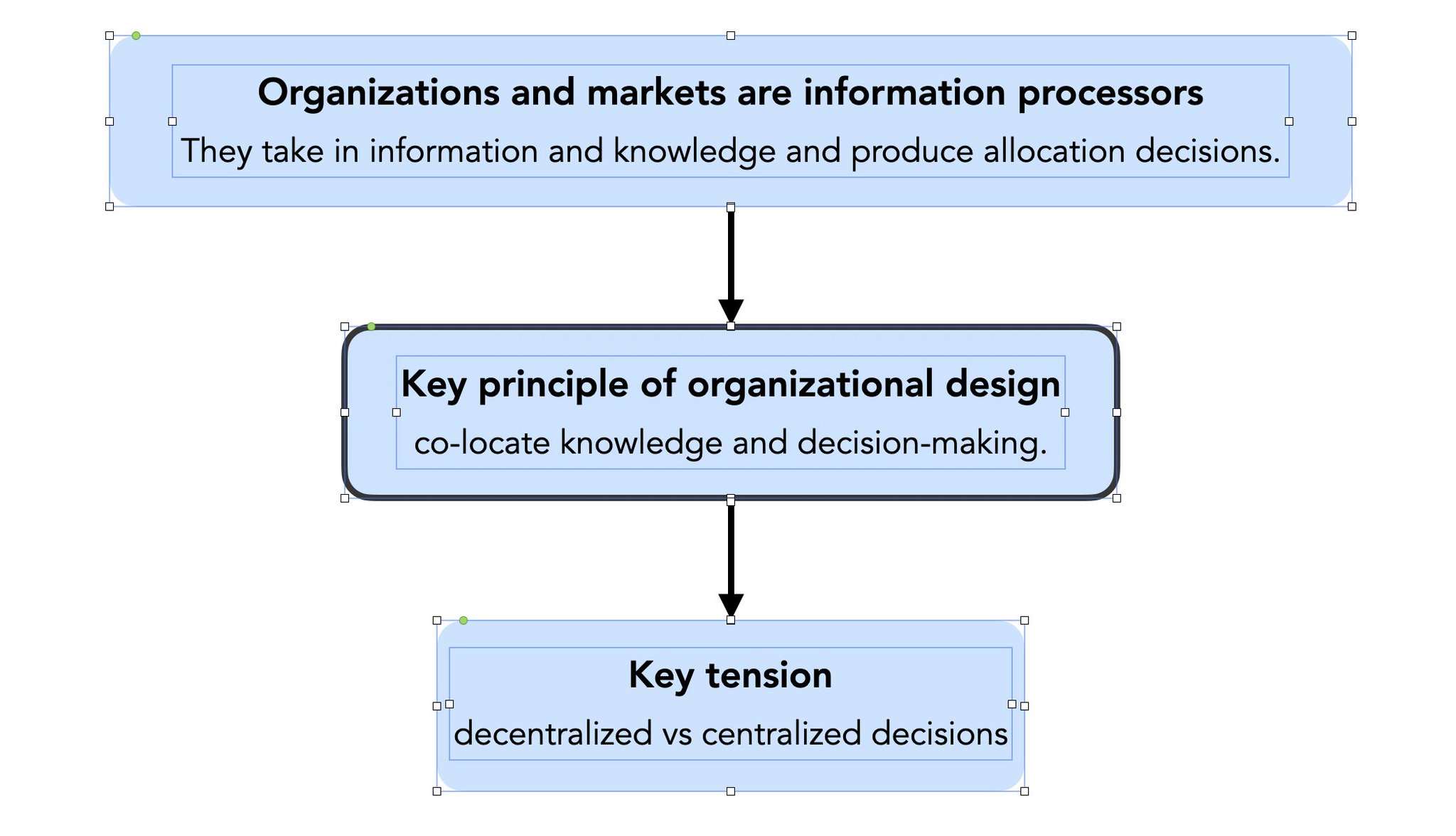
The @nytimes piece today by @ByrneEdsal13590 highlights a concern I share: “If we stay on the current path, the risk of extreme concentration — both economic and political — is very real.”In work with @zhitzig, we ask why AI may shift the balance between dispersed knowledge… pic.twitter.com/10vOTRj4Dq— Erik Brynjolfsson (@erikbryn) March 17, 2026
Humanity’s Endgame
A new history of societal collapse by an expert in existential risk argues that our globalized society is edging toward the precipice.

The marketplace of rationalizations
Recent work in economics has rediscovered the importance of belief-based utility for understanding human behaviour. Belief ‘choice’ is subject to an important constraint, however: people can only bring themselves to believe things for which they can find rationalizations. When preferences for similar beliefs are widespread, this constraint generates rationalization markets, social structures in which agents compete to produce rationalizations in exchange for money and social rewards. I explore the nature of such markets, I draw on political media to illustrate their characteristics and behaviour, and I highlight their implications for understanding motivated cognition and misinformation.
Defending the Free Market: The Moral Case for a Free Ec…
Thirty years ago, the economic system of the Soviet emp…

Why Crisis Resilience Depends on Epistemic Security
If we want to prevent tomorrow’s crises from spiraling out of control, we must recognize epistemic systems as critical infrastructure, writes Elizabeth Seger.

Capitalism, the Commons, and Divine Right - Schumacher Center for a New Economics
Barnes defines the commons as "the sum of all we inherit together and must pass on, undiminished and more or less equally, to our heirs." The commons includes watersheds, air, DNA, playgrounds, Main Street, radio waves, political systems, and numerous other natural resources and social innovations. Barnes suggests that the commons should be held in trust for the benefit of current and future generations as a way of countering the power of the market and its search for short-term private profits.
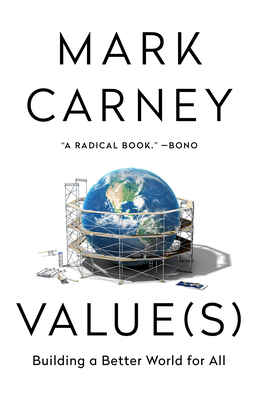
Value(s): building a better world for all
A bold, urgent argument on the misplacement of value in…
Yoram Barzel and the Economics of Institutions, by Lueck Dean
This article examines the relationship between the work of Yoram Barzel and Institutional Economics. Barzel has developed a property rights/transaction cost approach to economics and has written on to
Douglass North
Douglass Cecil North was an American economist known for his work in economic history. Along with Robert Fogel, he received the Nobel Memorial Prize in Economic Sciences in 1993. In the words of the Nobel Committee, North and Fogel "renewed research in economic history by applying economic theory and quantitative methods in order to explain economic and institutional change."
