Thirty years ago, the economic system of the Soviet emp…
Russian Revolution becomes the property relations that are common to.
The marketplace of rationalizations
Recent work in economics has rediscovered the importance of belief-based utility for understanding human behaviour. Belief ‘choice’ is subject to an important constraint, however: people can only bring themselves to believe things for which they can find rationalizations. When preferences for similar beliefs are widespread, this constraint generates rationalization markets, social structures in which agents compete to produce rationalizations in exchange for money and social rewards. I explore the nature of such markets, I draw on political media to illustrate their characteristics and behaviour, and I highlight their implications for understanding motivated cognition and misinformation.

The Socialist Party of Great Britain
The Socialist Party wants to get rid of the profit system and establish real socialism.

CMV: The labor theory of value is flawed
72 votes, 407 comments. This might be an obscure topic, however, in some—largely Marxist circles— the approach seems to motivate much of the dialogue…
Risk, Uncertainty and Profit
A timeless classic of economic theory that remains fasc…

Effective Altruism’s Problems Go Beyond Sam Bankman-Fried - Bloomberg
archived 12 Mar 2026 21:01:45 UTC

The Socialist Charcuterie Board - The Ideas Letter
Taking issue with Benanav’s institutional vision of a democratic political economy of technology, Morozov argues that generative AI exposes a deeper problem that socialism has yet to solve: how to…

Make ‘em dumb, sell ‘em smarts
Sam Altman wants intelligence to be a utility that you pay him for

Erik Brynjolfsson on Twitter / X
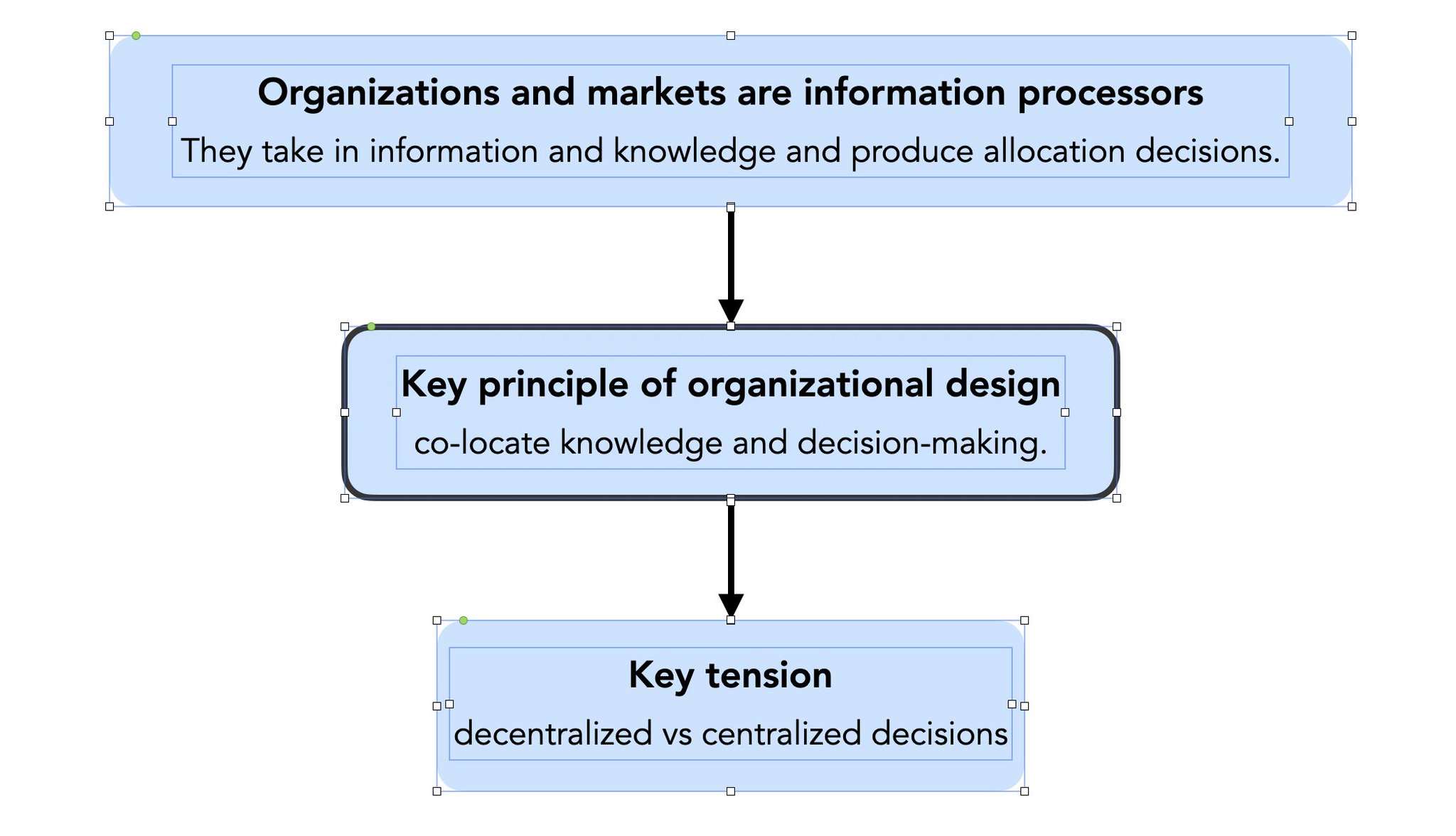
The @nytimes piece today by @ByrneEdsal13590 highlights a concern I share: “If we stay on the current path, the risk of extreme concentration — both economic and political — is very real.”In work with @zhitzig, we ask why AI may shift the balance between dispersed knowledge… pic.twitter.com/10vOTRj4Dq— Erik Brynjolfsson (@erikbryn) March 17, 2026
The Theory of Moral Sentiments
The foundation for a general system of morals, this 174…

Yoram Barzel and the Economics of Institutions, by Lueck Dean
This article examines the relationship between the work of Yoram Barzel and Institutional Economics. Barzel has developed a property rights/transaction cost approach to economics and has written on to

Implicit Feudalism — Rushkoff Archive
Too many of us think it doesn’t matter when a platform like X/Twitter has a single, all-powerful owner. Most of our online worlds are simply run by what we hope are benevolent dictators. After all, we figure, if we don’t like what they’re doing or allowing, we can just leave, right? But in most cases we’re just jumping from one rich dude’s idea for how the world should be to another rich dude’s idea for how the world should be.