


Few topics are as timely as the growth of government. T…
Rethinking Bluesky's "Decentralization": An Assessment as of January 2026 - Nightflight
January 19, 2026
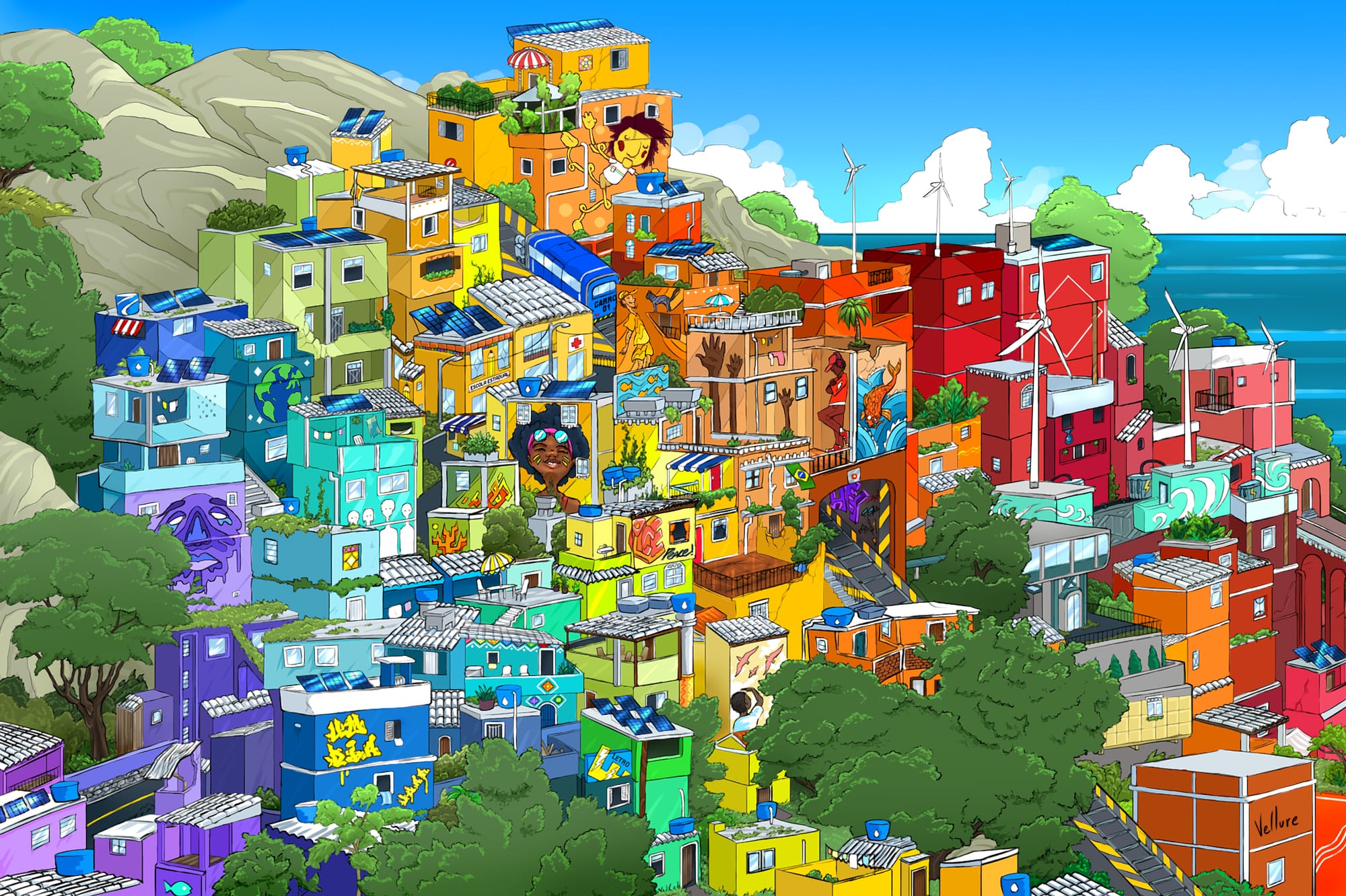
Village-scale resilience
The end-of-the-world already happened, it's just not evenly distributed. But with every end is a new beginning.
The politics of decentralization and the libertarian allure of Mastodon – Structural Integrity
I am currently reading the fabulous “Hayek’s Bastards” by Quinn Slobodian. It made me think about decentralisation in Mastodon (yes, the federated social network). And it made me think about the lack of a coherent progressive vision for the digital age. I will explain what that book has to do with both. But let’s go back to the political meaning of “decentralisation” in digital discourse first.

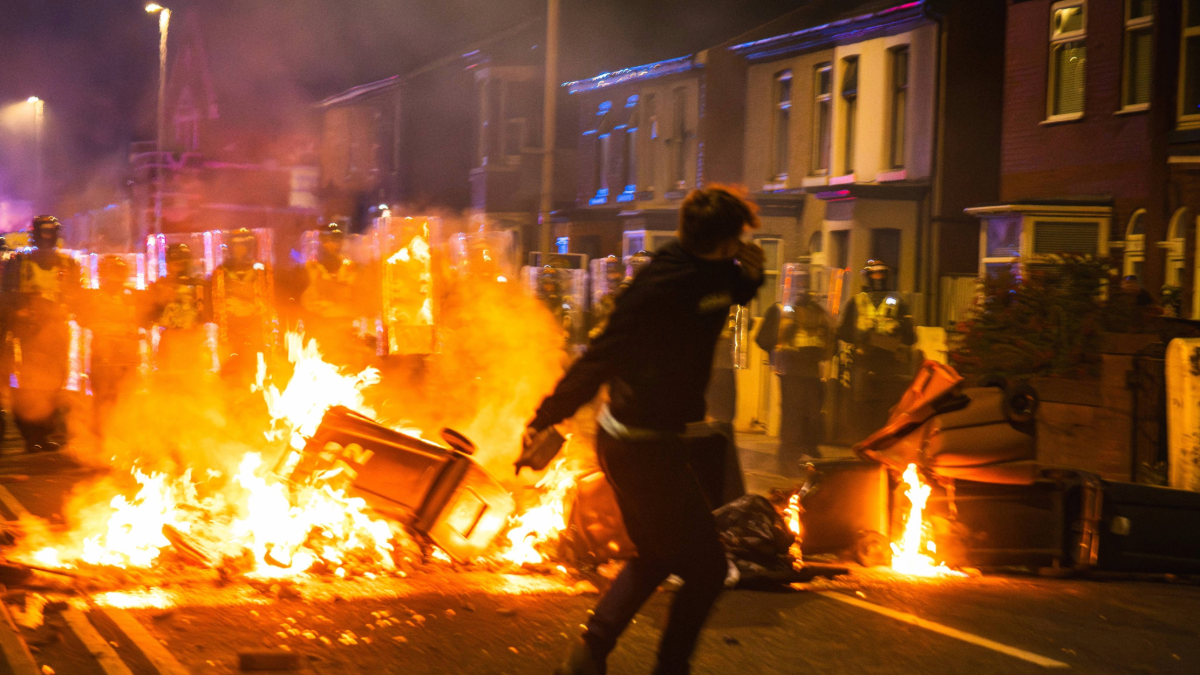
Why Crisis Resilience Depends on Epistemic Security
If we want to prevent tomorrow’s crises from spiraling out of control, we must recognize epistemic systems as critical infrastructure, writes Elizabeth Seger.
The Internet Transition
The Internet is allowing us to build a richer, more complex society but the way in which we Internet today is failing to support the governance systems that a more complex world requires. I take a look at why these issues are related, try to develop an intuition for a way forward, and point at the emerging field that is coming together to build that future.

Erik Brynjolfsson on Twitter / X
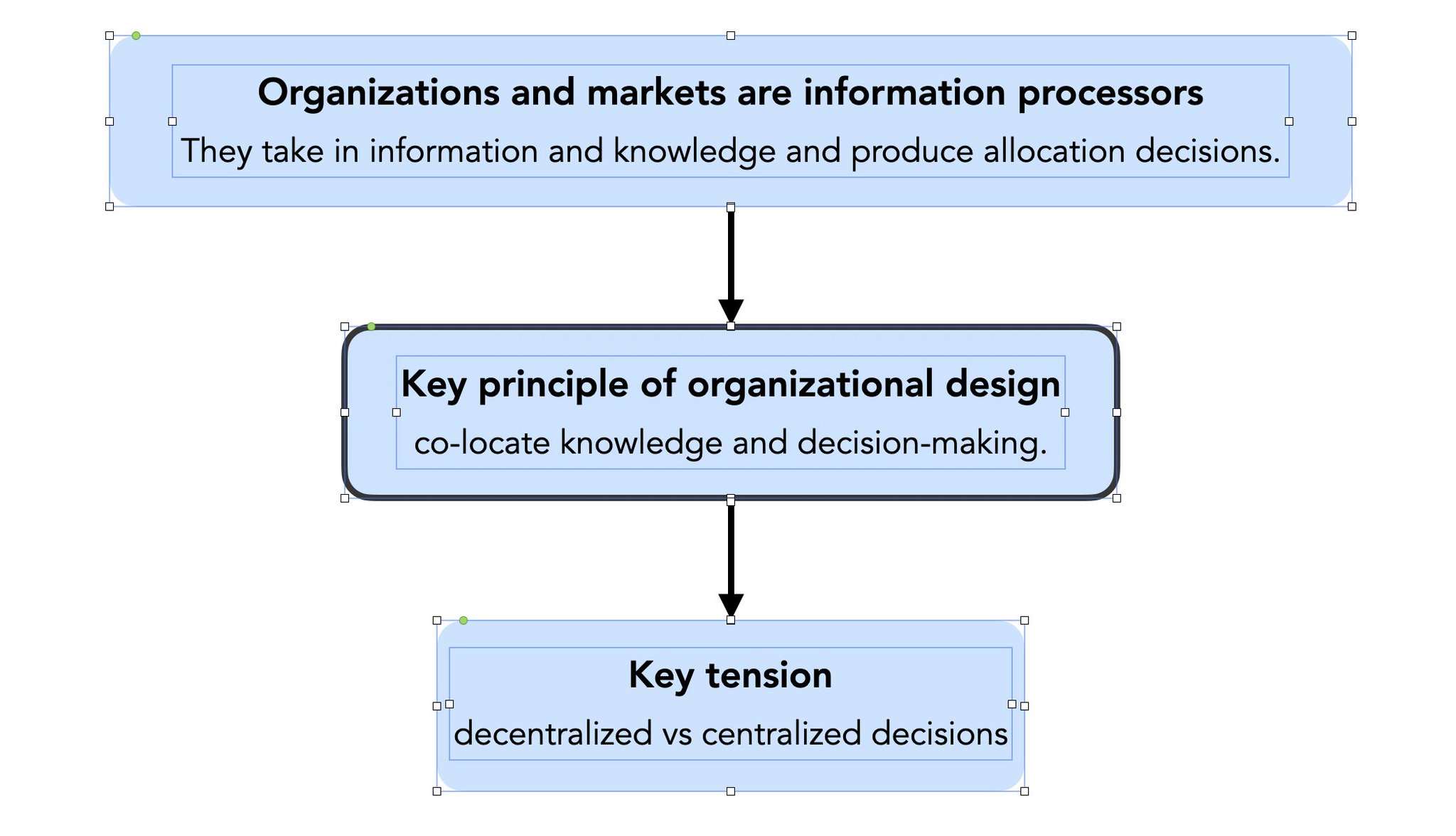
The @nytimes piece today by @ByrneEdsal13590 highlights a concern I share: “If we stay on the current path, the risk of extreme concentration — both economic and political — is very real.”In work with @zhitzig, we ask why AI may shift the balance between dispersed knowledge… pic.twitter.com/10vOTRj4Dq— Erik Brynjolfsson (@erikbryn) March 17, 2026
Humanity’s Endgame
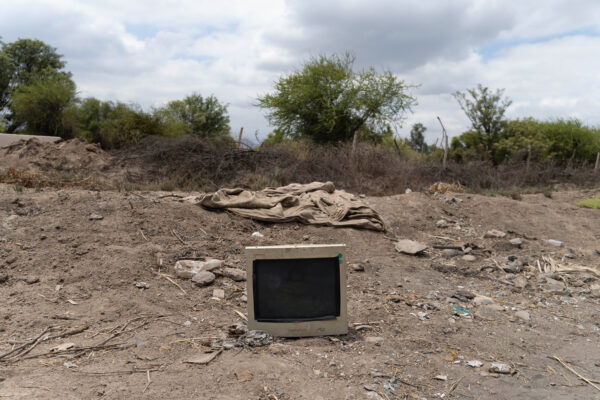
A new history of societal collapse by an expert in existential risk argues that our globalized society is edging toward the precipice.

Dami Lee on Instagram: "What holds up a society? This art piece in Korea stopped me cold, and I haven’t stopped thinking about it since. 180,000 tiny figures. Arms raised. A glass floor you’re meant to walk on. The artist is Do Ho Suh, and the question he’s asking feels more urgent than ever right now: is it the collective that holds everything up, or the individual? Because both stories have produced extraordinary things. Korea’s GDP per capita in the 1960s was lower than Sudan’s. Sixty years later, it’s the twelfth largest economy in the world. Built on coordination, sacrifice, twelve-hour days, families who gave everything for the next generation. And then there’s the Western story. The entrepreneur. The innovator. The one who puts a car in space but somehow can’t build affordable housing or a high-speed rail. As the world order gets reshaped in real time, I keep coming back to this floor. Who’s actually holding it up? And does the person walking on it ever think to look down? Tell me what you think in the comments. #DoHoSuh #KoreaArt #ContemporaryArt #PublicArt #SeoulArt"
14K likes, 59 comments - damileearch on June 11, 2026: "What holds up a society? This art piece in Korea stopped me cold, and I haven’t stopped thinking about it since. 180,000 tiny figures. Arms raised. A glass floor you’re meant to walk on. The artist is Do Ho Suh, and the question he’s asking feels more urgent than ever right now: is it the collective that holds everything up, or the individual? Because both stories have produced extraordinary things. Korea’s GDP per capita in the 1960s was lower than Sudan’s. Sixty years later, it’s the twelfth largest economy in the world. Built on coordination, sacrifice, twelve-hour days, families who gave everything for the next generation. And then there’s the Western story. The entrepreneur. The innovator. The one who puts a car in space but somehow can’t build affordable housing or a high-speed rail. As the world order gets reshaped in real time, I keep coming back to this floor. Who’s actually holding it up? And does the person walking on it ever think to look down? Tell me what you think in the comments. #DoHoSuh #KoreaArt #ContemporaryArt #PublicArt #SeoulArt".

Governable Spaces: Democratic Design for Online Life – Writings and rehearsals by Nathan Schneider
Read the free, open access editionBuy: Amazon, Bookshop, Narrow Gauge Book Co-op, UC Press
The world’s first trillionaire is a killer
Elon Musk’s empire of wealth is built on suffering.

Bernie Sanders’ AI Sovereign Wealth Fund Plan - Schneier on Security
Let no one accuse Bernie Sanders of ducking the big questions. Writing in the New York Times last week, the senator asked: “Will the future of humanity be determined by a handful of billionaires who have promoted and developed AI, with virtually no democratic input, who stand to become even richer and more powerful than they are today?” We agree entirely that this is one of the most potent questions facing global democracy today. Our book, Rewiring Democracy, surveys the emerging uses for and impacts of AI in democracy around the world and reaches the same conclusion: that the most urgent risk posed by AI is the ...
A Real Political Economy of Technology - The Ideas Letter
Two technological futures are competing for political and material priority: generative AI and the green transition. Benanav argues that while AI is marketed as a world-reordering breakthrough, its productivity gains…
Climate Change: Global Crisis To Local Action By Kevin Anderson
Incoming Dutch coalition floats European version of ‘Five Eyes’
New government says rising threats require faster and more proactive intel services.

The Missing Institution: A Global Dividend System for the Age of Transformative AI — Digitalist Papers
How do we share prosperity in society if work no longer sits at the center of people’s lives? In this essay, Anna Yelizarova explores one provocative possibility: a “global dividend.” If transformative AI shows little respect for national borders, with effects that spill across countries, then we ne
