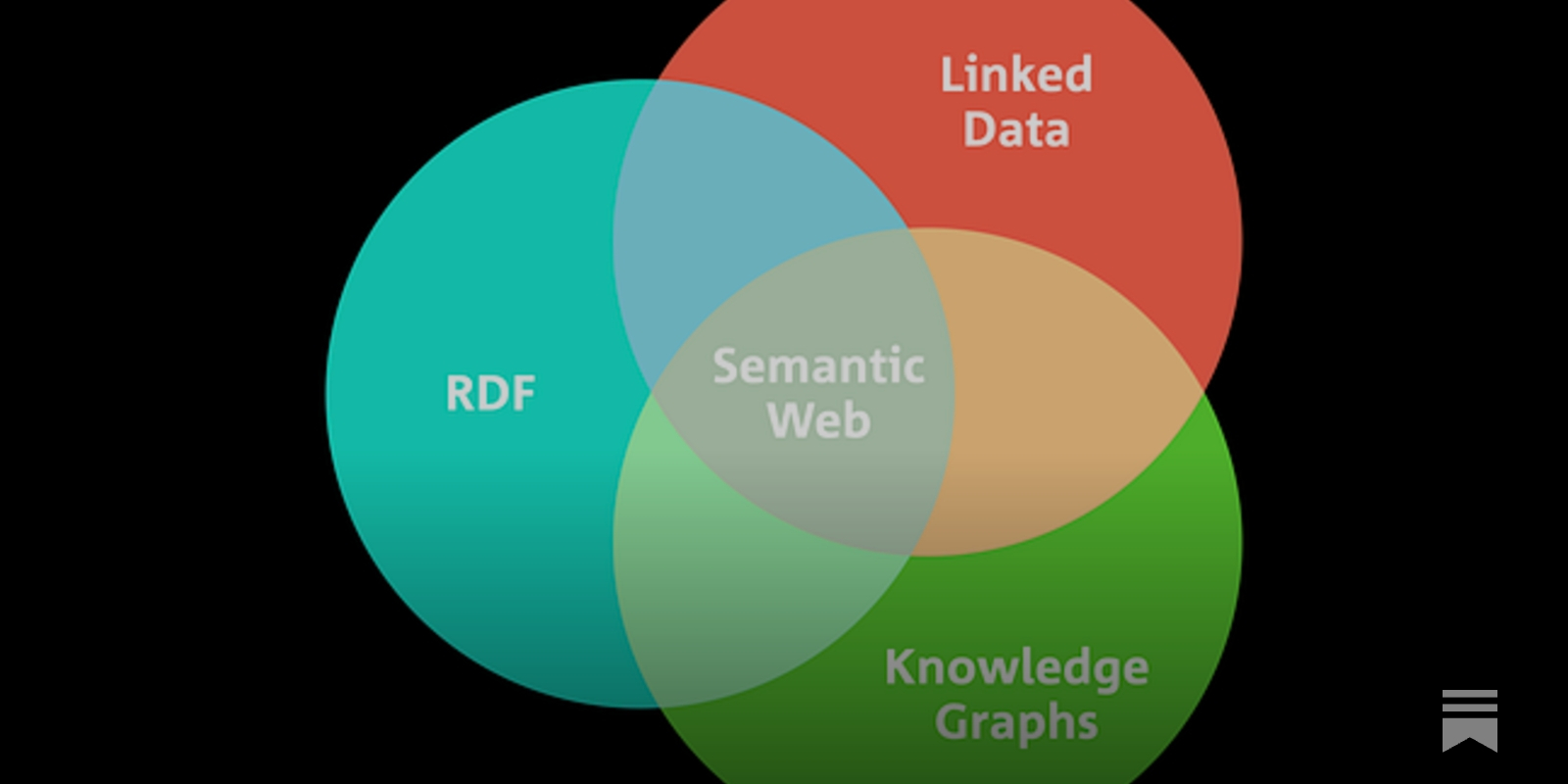
There are Enemies, and then there are Cowards.
The thinking style that makes people vulnerable to extremism | Psyche Ideas
The people most drawn to ideological thinking and authoritarianism aren’t aware of what makes them so susceptible

Political philosophy
Political philosophy studies the theoretical and conceptual foundations of politics. It examines the nature, scope, and legitimacy of political institutions, such as states. The field investigates different forms of government, ranging from democracy to authoritarianism, and the values guiding political action, like justice, equality, and liberty. As a normative field, political philosophy focuses on desirable norms and values, in contrast to political science, which emphasizes empirical description.
Anti-democratic attitudes are highly contagious, new psychology study finds
The rise of anti-democratic sentiments might be driven by social contagion. Researchers have discovered that citizens often adapt their personal support for authoritarian rule to align with the political views of those around them.
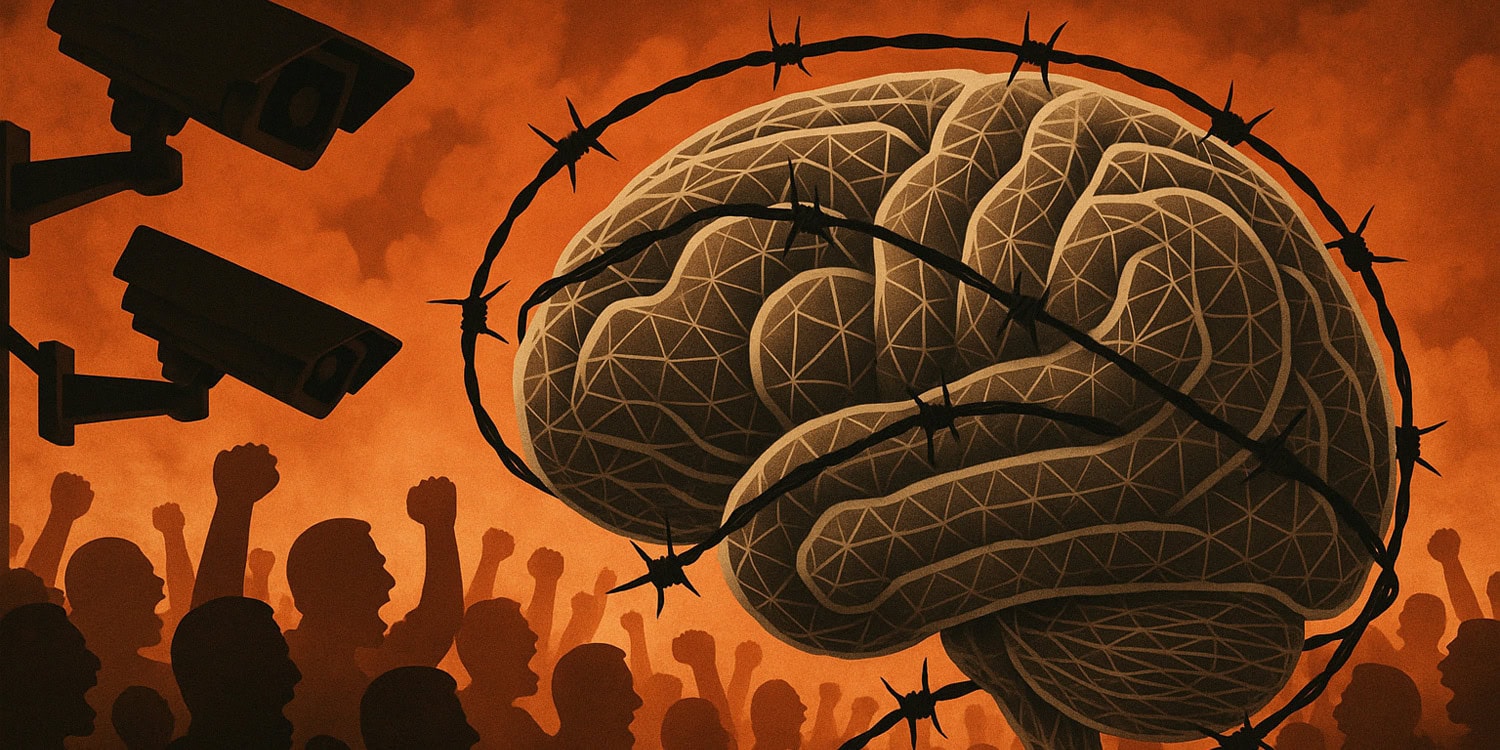
How to stop a dictator
I spent months studying how authoritarians like Trump lose. The answer is shockingly simple.

When is Political Violence Justified
What the Liberal Tradition Says on the Subject

The Myth of Authoritarian Efficiency
When it comes to getting stuff done, democracies win every time.

Living with two clocks
Staying with unbearable thoughts, and searching for a politics that’s equal to these times.

This Is Your Brain on Metaphors
Our brains are wired to confuse the real and the symbolic. And the implications can be as serious as war and peace.

Guide to Responsible, Strategic Reporting on Hate and Extremism
Recommendations for researchers, journalists and others on how to avoid unintentionally bolstering extremists and causing additional harm.

POLYBIUS ACI
Authoritarian Consolidation Index - Real-time democratic health monitoring powered by political science research and AI

The marketplace of rationalizations
Recent work in economics has rediscovered the importance of belief-based utility for understanding human behaviour. Belief ‘choice’ is subject to an important constraint, however: people can only bring themselves to believe things for which they can find rationalizations. When preferences for similar beliefs are widespread, this constraint generates rationalization markets, social structures in which agents compete to produce rationalizations in exchange for money and social rewards. I explore the nature of such markets, I draw on political media to illustrate their characteristics and behaviour, and I highlight their implications for understanding motivated cognition and misinformation.
How to fight hate: New Humanist’s Autumn 2026 issue is out now
With race riots on the rise and the populist right gaining traction, we ask how the UK can push back

Do not give up your brain
It's tempting to just let tools think for you, but you still need to be able to think for yourself and stay sharp.

Political science
Political science[a] is the social scientific study of politics. It deals with systems of governance and power, and the analysis of political activities, political thought, political behavior, and associated constitutions and laws. Specialists in the field are political scientists.
Radical Interoperability is a Political Agenda
Model the world you want to live in.