Today, we published the second Alan Elrod article in a week on the toxic politics surrounding the Democratic candidate for Maine's Senate seat, Graham Platner. What's more, yesterday we published Katherine Alejandra Cross in a similar vein. Why the focus on Platner, when so much is at stake
Debunking every Anti Transgender Argument Part 1: Trans Women in Women's Sport
Guide to Responsible, Strategic Reporting on Hate and Extremism
Recommendations for researchers, journalists and others on how to avoid unintentionally bolstering extremists and causing additional harm.

Governable Spaces: Democratic Design for Online Life – Writings and rehearsals by Nathan Schneider
Read the free, open access editionBuy: Amazon, Bookshop, Narrow Gauge Book Co-op, UC Press
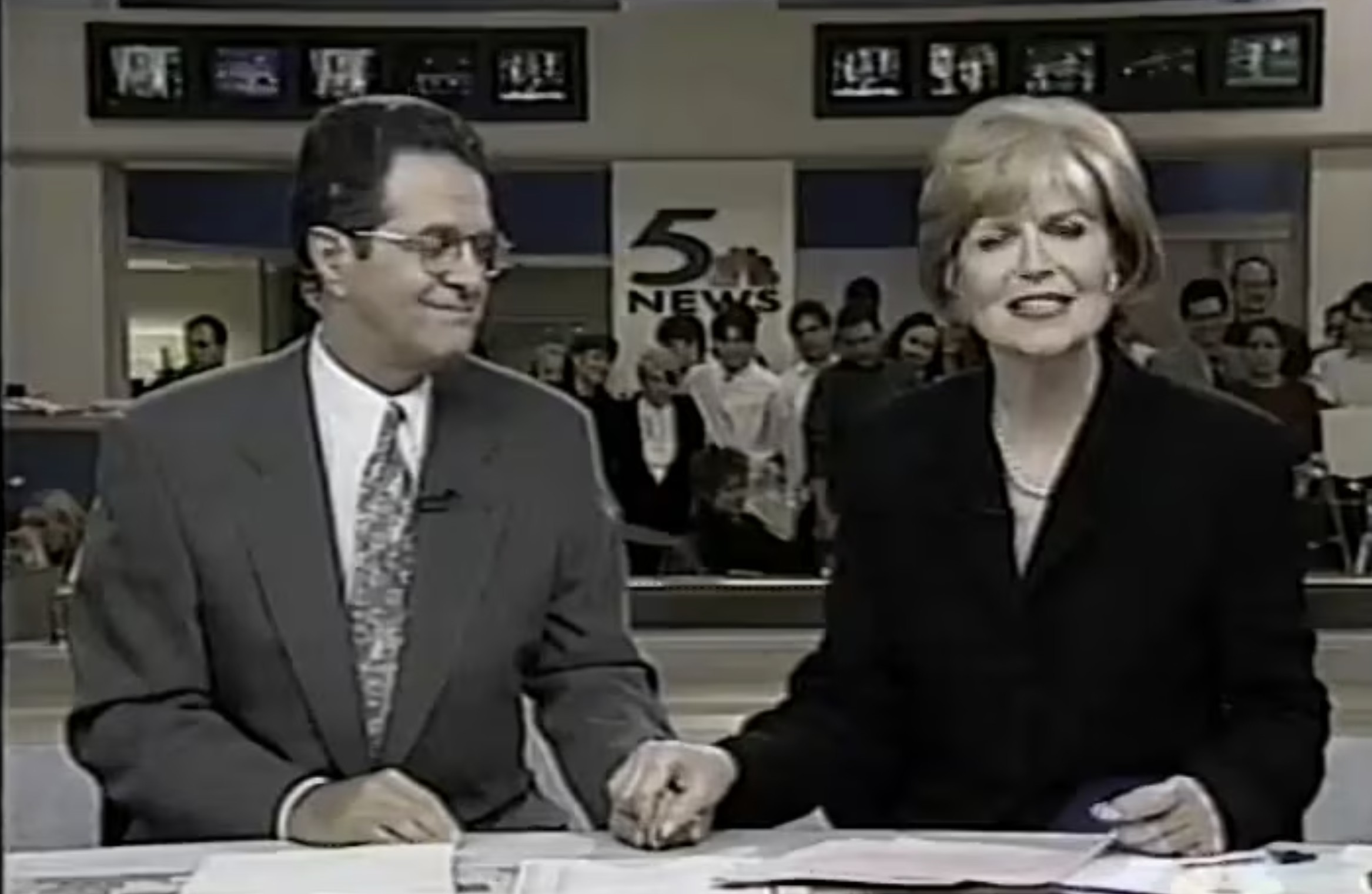
Foundational Texts: Raised by the Channel Five News Team | dansinker.com
Ron Magers and Carol Marin on their last broadcast together, May 1, 1997.
Trump-backed Mike Lindell loses primary for Minnesota governor to Lisa Demuth
Lindell had President Trump's endorsement but he lost to Lisa Demuth, the speaker of the state house. She'll face Democratic Sen. Amy Klobuchar in the fall for governor.

A Pilot Fired Over Kristi Noem’s Missing Blanket and the Constant Chaos Inside DHS
Secretary faces fire for confrontational immigration crackdown and self-promotional style; White House to wind down Minnesota operations.



The Missing File: How A/I Became a U.S. Counterterrorism Target
We traced the policy, media, congressional and sanctions trail. One bureaucratic handoff is still hidden.
Trans Journalists Association Stylebook and Coverage Guide
The Transgender Journalists Association’s Stylebook and Coverage Guide is a tool reporters, editors, and other journalists can use to improve news coverage of trans people and the stories that affect them.

After the feed with Eli Pariser, Ben Smith, and Jasmine Sun

Governing Online Speech: From 'Posts-As-Trumps' to Proportionality and Probability
Online speech governance stands at an inflexion point. Platforms are emerging from the state of emergency invoked during the pandemic and lawmakers are poised t

Web of Science Master Journal List - WoS MJL by Clarivate
Linguistic aporia - The Cynefin Co
My post of the day before yesterday expressed concern about the general dumbing down of discourse and I explicitly linked the desire for simple recipes and undemanding explanations in the sphere of management to the growth of unthinking populism in the political sphere. I ended it with three simple things to do if you don’t […]

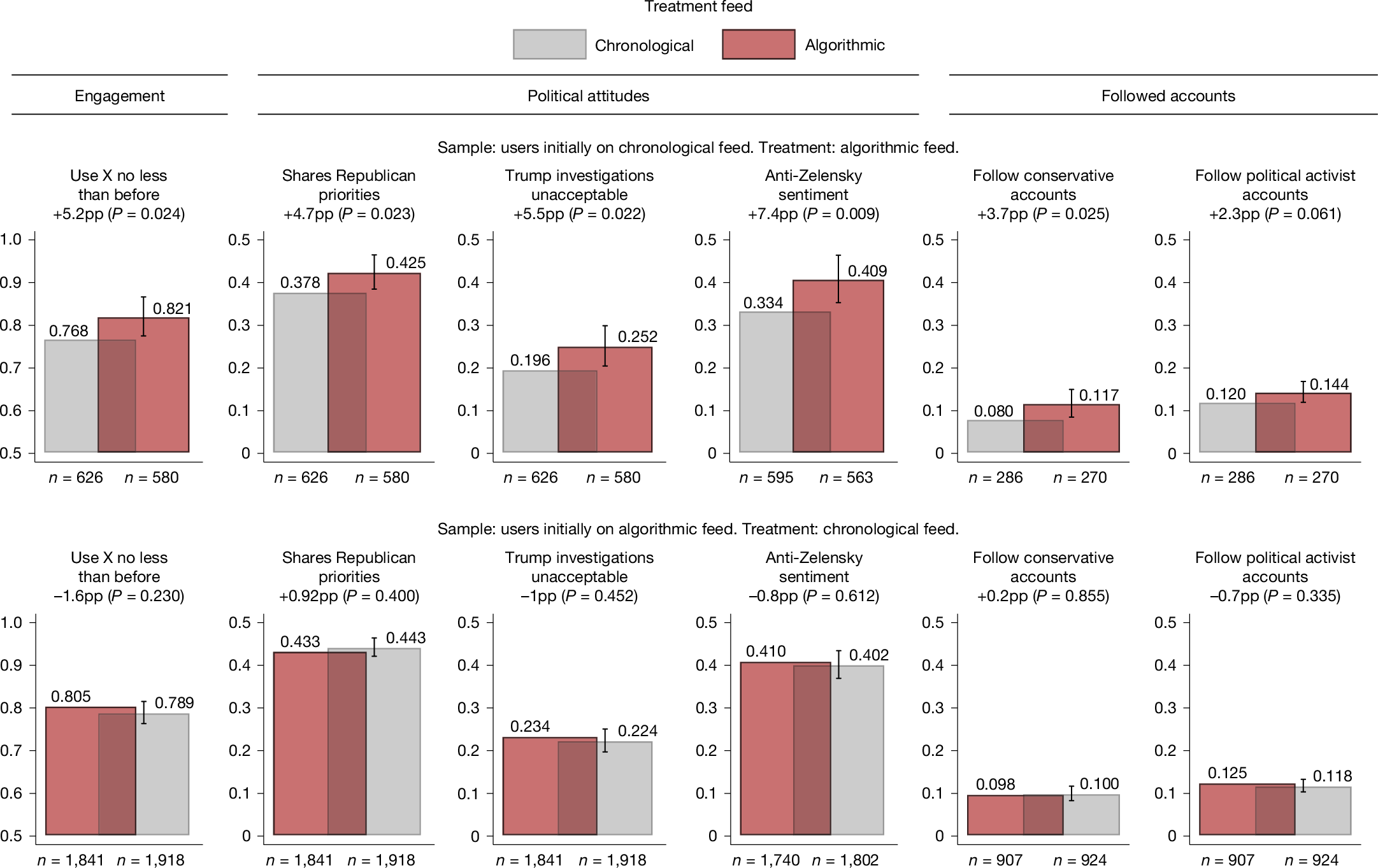
The political effects of X’s feed algorithm
Feed algorithms are widely suspected to influence political attitudes. However, previous evidence from switching off the algorithm on Meta platforms found no political effects1. Here we present results from a 2023 field experiment on Elon Musk’s platform X shedding light on this puzzle. We assigned active US-based users randomly to either an algorithmic or a chronological feed for 7 weeks, measuring political attitudes and online behaviour. Switching from a chronological to an algorithmic feed increased engagement and shifted political opinion towards more conservative positions, particularly regarding policy priorities, perceptions of criminal investigations into Donald Trump and views on the war in Ukraine. In contrast, switching from the algorithmic to the chronological feed had no comparable effects. Neither switching the algorithm on nor switching it off significantly affected affective polarization or self-reported partisanship. To investigate the mechanism, we analysed users’ feed content and behaviour. We found that the algorithm promotes conservative content and demotes posts by traditional media. Exposure to algorithmic content leads users to follow conservative political activist accounts, which they continue to follow even after switching off the algorithm, helping explain the asymmetry in effects. These results suggest that initial exposure to X’s algorithm has persistent effects on users’ current political attitudes and account-following behaviour, even in the absence of a detectable effect on partisanship.