


It’s not about whether technology is inherently good or bad, liberating or oppressive. Architecture shapes incentives; incentives shape outcomes.
The Internet Transition
The Internet is allowing us to build a richer, more complex society but the way in which we Internet today is failing to support the governance systems that a more complex world requires. I take a look at why these issues are related, try to develop an intuition for a way forward, and point at the emerging field that is coming together to build that future.

The Public Interest Internet
What if the internet were public interest technology? Is that too wildly speculative? I think not. I am not talking about a utopian project here — a public interest internet would be a glorious imperfect mess and it would be far from problem-free. But while there is a lot of solid thinking about various digital issues or pieces of internet infrastructure (much of which I rely upon here), I have yet to read to an answer to this question: What global digital architecture should we assemble if we take seriously the idea that the internet should be public interest technology?

AI, I tried to love you – Writings and rehearsals by Nathan Schneider
Among my peers who study the cultures and economies surrounding technology, I often find myself more tech-positive than most. On the whole I like computers, like the internet, and like in general the emergent human creativity that these things have enabled and revealed. A source of my appreciation is that I expend a lot of effort on the practice of “slow computing,” which is to say, choosing tools and technical communities that I can feel in right relationship with. I tend to approach new socio-technologies (like gig economies, blockchains, and social media) not from a perspective of why is this so bad? so much as asking how could we do this right?

The Paradox of Open
Numerous organisations and initiatives have been launched with a belief in openness and free knowledge. Their proponents placed their bets on the combined power of networked information services and new governance models for the production and sharing of content and data. We – as members of this broad movement – were among those who believed it possible to leverage this combination of power and opportunity to build a more democratic society, unleashing the power of the internet to create universal access to knowledge and culture. For us, such openness meant not only freedom, but also presented a path to justice and equality.
The Arguments Against Open Source AI are Very Bad | Tom Bedor's Blog
The release of Kimi K3 has opened a fresh round of angst and confused discourse. There's a loud cohort of journalists, business leaders, and politicians arguing that open source AI is a dangerous threat. OpenAI's Dean Ball:

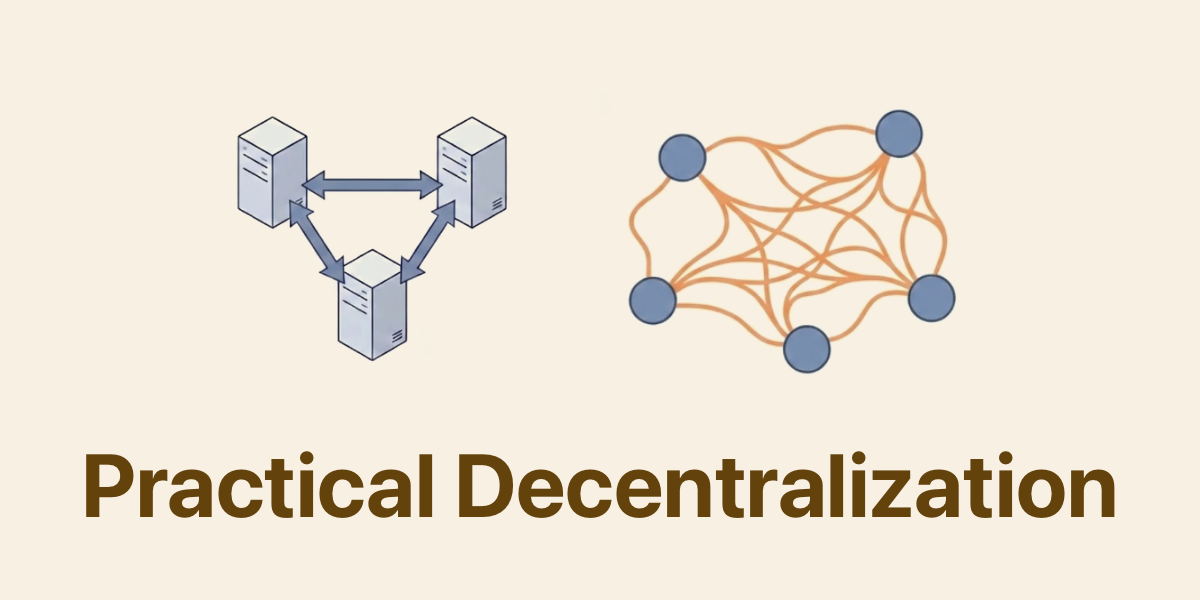
Practical Decentralization
The point of decentralization is to guarantee the rights of individuals and communities on the Internet. Pulling that off is a balancing act between practicality and ideology.
A Real Political Economy of Technology - The Ideas Letter
Two technological futures are competing for political and material priority: generative AI and the green transition. Benanav argues that while AI is marketed as a world-reordering breakthrough, its productivity gains…

Privacy as EU Tech advantage - The LeafPlaza Blog
Online crime loves legal massive data collection, grey systems, and jurisdictional gaps. Privacy-first design can actually reduce crime exposure and build trust in digital services. It is also central to the EU's tech autonomy: build systems aligning with European rights and risk models. Do not rely on foreign platforms or copy outside practices that might go against the EU values and needs.
Governable Stacks against Digital Colonialism
Critics have been converging around the logic of colonialism to describe the Internet economy. If we are serious about the laden language of the colonial, we should be ready to learn from struggles against pre-digital empires and colonial regimes. Although acts of insurrection may attract more attention, one thing leaders and theorists of anticolonial resistance have stressed persistently is the centrality of self-governance in everyday life as both a means and end of their movements. But the dominant platforms for online communities are not well-suited for durable self-governing. Resistance often relies on the same colonial firms it opposes. What would community-governed technologies look like? This paper introduces the concept of “governable stacks”, a framework for self-governing as resistance to digital colonialism.
I think the data center backlash is mostly about data centers
It’s probably not your ideological thing, or mine. It’s about object-level claims about how data centers impact the communities where they’re built, many of which are wrong.

Implicit Feudalism — Rushkoff Archive
Too many of us think it doesn’t matter when a platform like X/Twitter has a single, all-powerful owner. Most of our online worlds are simply run by what we hope are benevolent dictators. After all, we figure, if we don’t like what they’re doing or allowing, we can just leave, right? But in most cases we’re just jumping from one rich dude’s idea for how the world should be to another rich dude’s idea for how the world should be.
The Socialist Charcuterie Board - The Ideas Letter
Taking issue with Benanav’s institutional vision of a democratic political economy of technology, Morozov argues that generative AI exposes a deeper problem that socialism has yet to solve: how to…
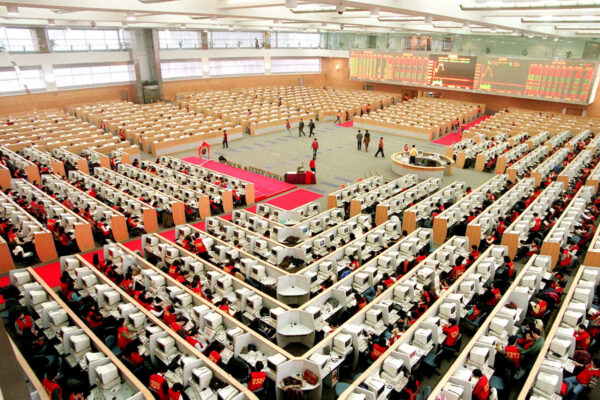
Building tech in the world’s secret R&D hub
Zurich has created a technology ecosystem nearing the density of Silicon Valley.

Making the Case for Actionable Prosocial Design Research
Regulating harmful design is only half the equation — attention must also go toward how platforms can build prosocial design, and toward the research that shows them how.

Technoableism
Technoableism is a belief in the power of technology that considers the elimination of disability a good thing, something we should strive for. It’s a classic form of ableism—bias against disabled people, bias in favor of nondisabled ways of life. Technoableism is the use of technologies to reassert those biases, often under the guise of empowerment.
