


Termite ecology came of age in 1978 with the seminal review of Wood and Sands which by considering the quantitative contributions made by termites to the carbon cycle at the landscape level concluded that they were major players in tropical ecosystems. Subsequent field work in the succeeding two decades was summarised in 2000 by Bignell and Eggleton, the most recent review which attempted to cover the entire topic in detail, which included 188 listed references and has been extensively cited for almost 20 years. Subsequent summaries more narrowly defined or in some cases more superficial are listed in the bibliography. In this overview, the main and subsidiary headings in Bignell and Eggleton are revisited and reclassified in the light of 186 selected articles added to the relevant literature since 2000, and some earlier work. While the literature on termite ecology remains buoyant, it has declined relative to publications on other aspects of termite biology. Overall, the thesis that termites have a major impact on, and are major indicators of soil health and landscape integrity in the tropics and sub-tropics is maintained, but the drivers of local diversity, abundance and biomass remain complex, with many biographical, edaphic and optimum sampling issues not completely resolved. The large increase in diversity and abundance data from Neotropical biomes can also be noted.
GainForest — Biodiversity Observations & Nature Projects
Explore field observations, biodiversity records, and nature projects from communities and organizations using GainForest.
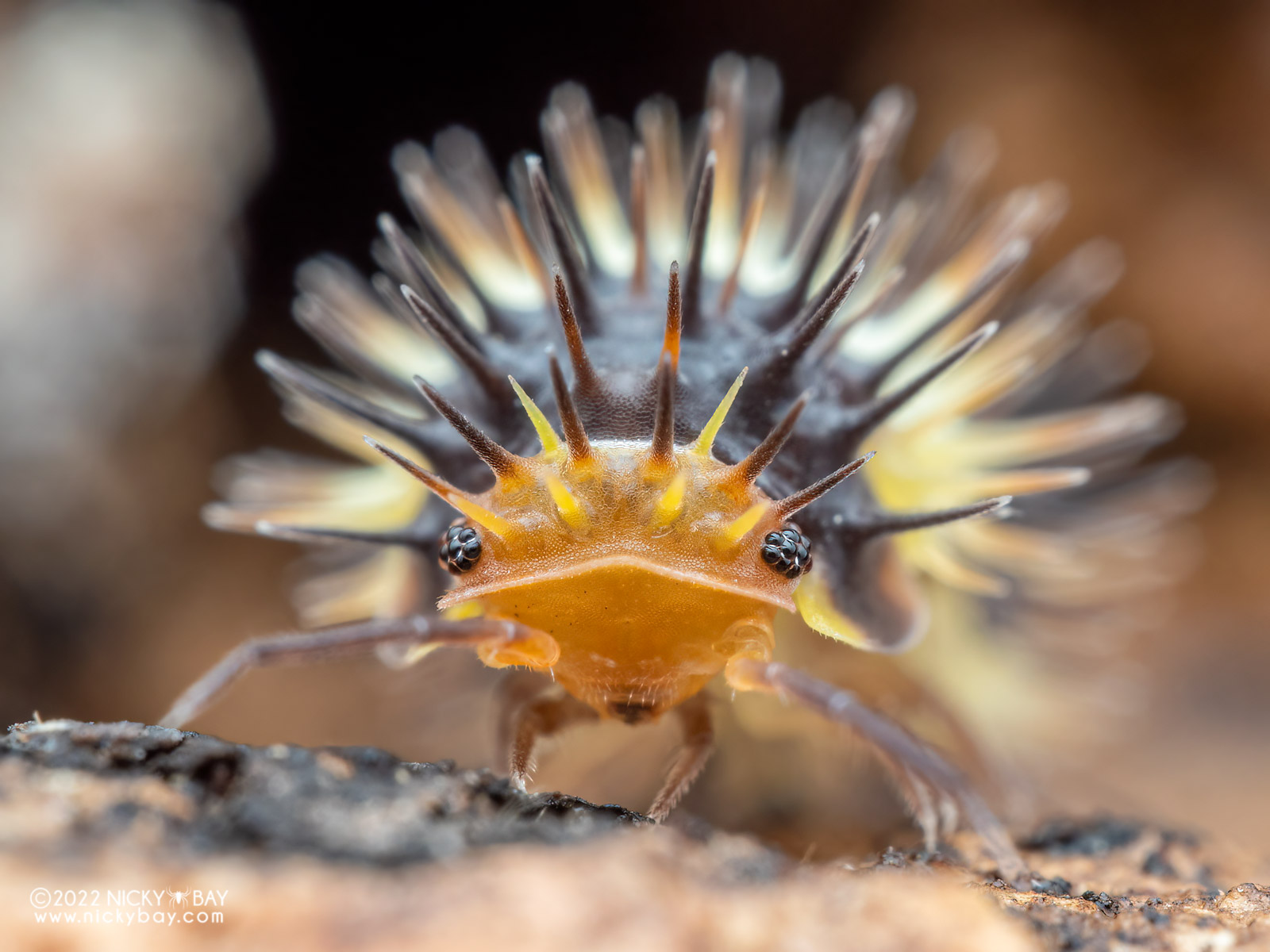
Isopod Site
Pillbugs, sowbugs, roly-polies and woodlice, collectively referred to as isopods, are land-dwelling crustaceans that feed on decaying organic matter.
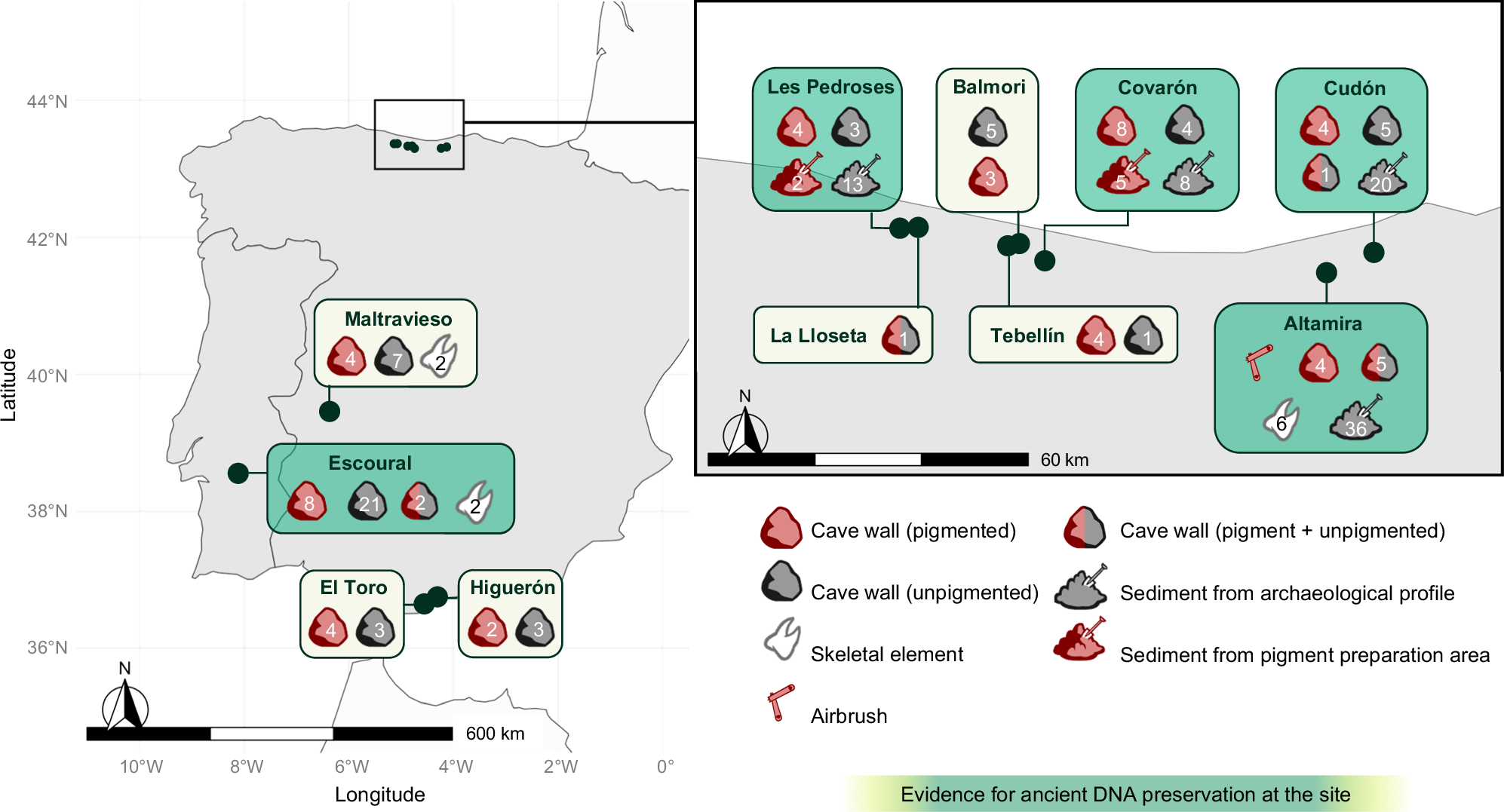
Investigating ancient human DNA preservation on cave walls and in rock art
Previous efforts to link Palaeolithic cultural records to specific populations through DNA analysis have focused on materials from archaeological floor deposits such as bones, sediments, and artefacts. In this study, we explore whether rock art, a spatially distinct expression of human activity, can also preserve DNA traces from its creators. We analyse DNA preservation in pigment samples collected in and around 24 rock art panels from 11 caves across Spain and Portugal, including simple marks (from nine sites), hand stencils (Maltravieso Cave, Extremadura, Spain), and figurative paintings (Cave of Altamira, Cantabria, Spain). We recover traces of ancient human mitochondrial and nuclear DNA, unaccompanied by faunal DNA, from a pigmented calcite crust at Escoural Cave (Portugal), as well as from an unpigmented cave wall sample from the same site. The absence of faunal DNA in both samples suggests direct DNA deposition through human contact. In contrast, three additional unpigmented samples, from Escoural and Covarón Cave (Asturias, Spain), yielded mixtures of human and faunal DNA, suggesting indirect deposition. Although our results do not conclusively link ancient human DNA preservation to the generation of cave art, we show that traces of human DNA can persist on cave walls for thousands of years.
On Atproto and Atmospheric Groups - The Tropopause
I'm starting A Fresh Blog(tm), this time on Pckt. I wanted a dedicated space to post about development, atproto, and community thoughts, and a new space felt li...

I Do Not Accept Your TOS - Tynan's Leaflets
W is proof that the ecosystem is working
Social Insects : Ecology and Behavioural Biology
1 online resource; Here is a guide to the ecology of social insects. It is intended for general ecologists and entomologists as well as for undergraduates and those about to start research on social insects; even the experienced investigator may find the comparison between different groups of social insects illuminating. Most technical terms are translated into common language as far as can be done without loss of accuracy but scientific names are unavoidable. Readers will become familiar with the name even though they cannot visualize the animal and could reflect that only a very few of the total species have been studied so far! References too are essential and with these it should be possible to travel more deeply into the vast research literature, still increasing monthly. When I have cited an author in another author's paper, this implies that I have not read the original and the second author must take responsi bility for accuracy! Many hands and heads have helped to make this book. I thank all my colleagues past and present for their enduring though critical support, and I thank with special pleasure: E.]. M. Evesham who fashioned the diagrams;]. Free, D.J. Stradling and]. P.E.C. Darlington who supplied photographs; D.Y. Brian and R.A. Weller who were meticulous on the linguistic side; and G. Frith and R.M. Jones who collated the references. List of plates 1. Fungus combs of Acromyrmex octospinosus and Macrotermes michaelseni. 13 2. Mouthparts of larval Myrmica; 1 Introduction -- 2 Food -- 2.1 Termites as decomposers -- 2.2 Wasps and ants as predators -- 2.3 Sugars as fuel save prey -- 2.4 Seed eaters -- 2.5 Leaf eaters -- 2.6 Pollen eaters -- 3 Foraging by individuals -- 3.1 Foraging strategy -- 3.2 Worker variability -- 4 Foraging in groups -- 4.1 Communication about food -- 4.2 Group slave-raiding -- 4.3 Tunnels and tracks -- 4.4 Nomadic foraging -- 5 Cavity nests and soil mounds -- 5.1 Cavities and burrows -- 5.2 Soil mounds -- 6 Nests of fibre, silk and wax -- 6.1 Mounds of vegetation and tree nests -- 6.2 Combs of cells -- 7 Microclimate -- 7.1 Environmental regulation -- 7.2 Metabolic regulation -- 8 Defence -- 8.1 Painful and paralysing injections -- 8.2 Toxic smears and repellants -- 9 Food processing -- 9.1 Mastication, extraction and regurgitation -- 9.2 Yolk food supplements -- 9.3 Head food glands -- 10 Early population growth -- 10.1 Food distribution -- 10.2 Colony foundation -- 10.3 The growth spurt -- 11 Maturation -- 11.1 Simple models of reproduction -- 11.2 Social control over caste -- 11.3 Males in social Hymenoptera -- 11.4 Maturation in general -- 12 Reproduction -- 12.1 Caste morphogenesis -- 12.2 Copulation and dispersal -- 12.3 Production -- 12.4 Summary -- 13 Evolution of insect societies -- 13.1 Theories of individual selection -- 13.2 Models of these theories -- 13.3 Group selection -- 13.4 Conclusions -- 14 Colonies -- 14.1 The colony barrier -- 14.2 Queen number and species ecology -- 14.3 Queen interaction and queen relatedness -- 15 Comparative ecology of congeneric species -- 15.1 Ant and termite races -- 15.2 Desert ants and termites -- 15.3 Ants and termites in grassland -- 15.4 Forest ants and termites -- 15.5 Wasps and bumblebees -- 15.6 Advanced bees -- 16 Communities -- 16.1 Temperate zone communities in grass and woodland -- 16.2 Desert communities -- 16.3 Tropical rain forest -- 16.4 Conclusions -- 17 Two themes -- 17.1 Plant mutualism -- 17.2 Social organization -- References -- Author index

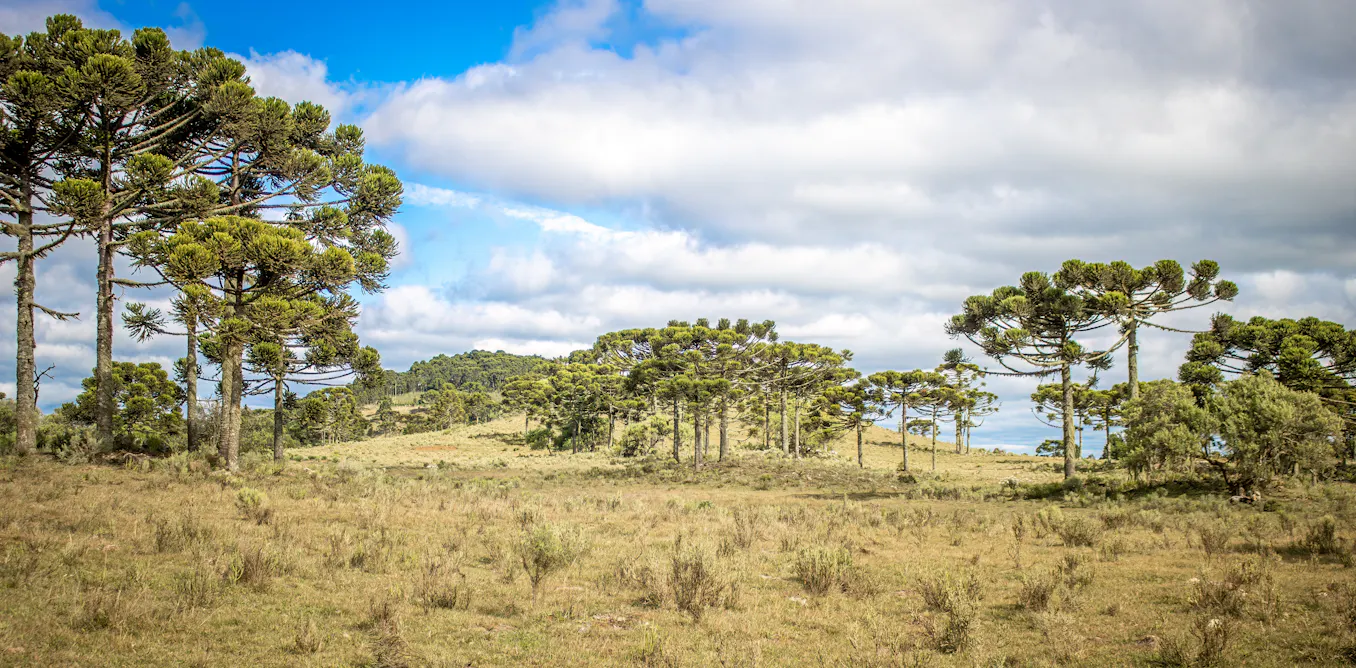
Brazil’s highland forest has been shaped by climate change and Indigenous people for 6,000 years
Prehistoric pollen records show that forest dynamics were driven by more than just broad-scale climatic changes.
Ecology is not yet ready for AI—and why that matters | PNAS
Ecology is not yet ready for AI—and why that matters

Tend the System. Know the System.
They didn't wander. That's the first thing to understand. The popular image of the hunter-gatherer is someone moving through an indifferent landscape, taking what they find. It's not wrong about the movement. It's wrong about the indifference — theirs and the land's. What the archaeological and ecological record increasingly shows is
Transformer son jardin en refuge pour la faune en période de canicule
Prairies fleuries : un moyen esthétique et sans entretien de soutenir les pollinisateurs
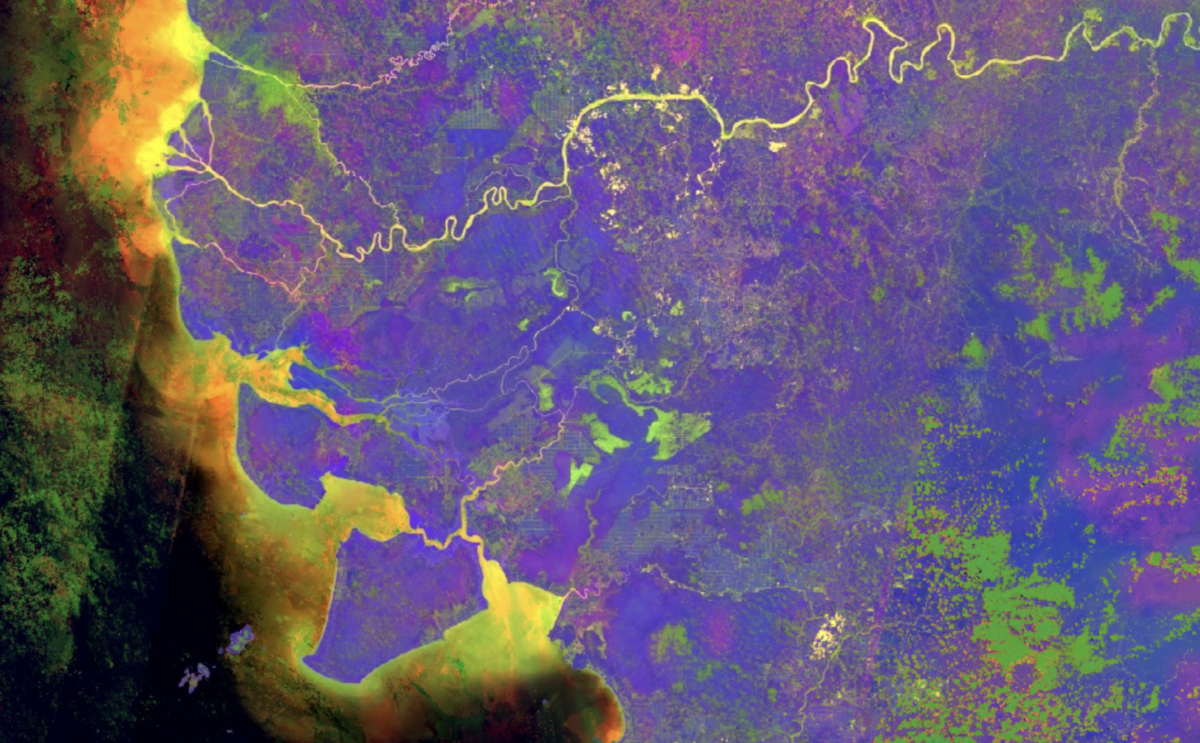
A Beginner’s Guide to Seeing More With Satellite Imagery
Multispectral satellite images can reveal useful information about the world, such as mining activity and changes in vegetation.
Governance Archaeology: Research as Ancestry
Abstract. This essay presents the idea of governance archaeology, an approach to learning from the past to inform the politics of the future. By reporting on a prototype historical database, we outline a strategy for co-producing a global commons of collective governance practices that can inspire institutional learning and experimentation, particularly in the face of rapid technological change and vexing global crises. Embedded in our approach is an orientation of ancestry whereby practitioners cultivate relationships of accountability and responsibility to the legacies they learn from, recognizing the harm from past patterns of exploitation. By taking seriously a wide range of historical governance practices, particularly those outside the Western canon, governance archaeology seeks to expand the options available for the design of more moral political economies.
The Great Season — 13FOREST Gallery
On Friday, January 24, 13FOREST Gallery will open The Great Season, an exhibition of new and recent acrylic work by painter Nicole Duennebier. Dark and sumptuous, The Great Season highlights a fantastical six-panel painting that associates the random beauty of nature with an elaborate 19th-century parlor game. Set against black backgrounds, Duennebier’s complex forms strongly refer to Baroque still-life paintings in which fruits and vegetables simultaneously emerge and pass into different stages of maturity. A key difference in Duennebier’s work is that, rather than render images of everyday objects, she bases them on her fascination with biology, particularly bacteria, fungi and other objects hidden from view. Referring to her use of darkness, the artist states that her inky backgrounds are “like a primordial soup, a pool of black that springs forth a decadent and sometimes horrible growth.” Each of the paintings in the show is associated with lush proliferation. In Bright Beast After Nature, for instance, a black background gives rise to a nebula of unfolding, biomorphic forms that seem to divide and overtake one another. Painted in thin, translucent layers, the work suggests a still life captured in only one of many stages it will eventually pass through. With Bright Beast Dissected View Duennebier gives an equally fantastic image of the engine behind such proliferation. Similar to vivisections seen in science textbooks, the painting shows the surface of a soft, woolly plant and the interior, biological source of its existence. In content the “engine” plays with the idea of a still life, but one made of flowers, vegetables and animal viscera. Duennebier’s centerpiece in The Great Season is a vast, six-panel painting titled, Hydnellum Myriorama. Its title refers to a type of fungus found in nature and to a Victorian card game – myriorama – in which children could arrange a series of illustrated cards to form hundreds of different landscapes. In Duennebier’s six panels are hybrid images that resemble Baroque still lifes, coral, fur, crystals and close-ups of microscopic fauna. Each of the forms emerges from nothing and stands bathed in a common light source. Despite the panels’ differing environments, Duennebier negates their importance by enabling viewers to arrange the panels into aesthetic experiences of their own choice. With Hydenellum Myriorama, the random potential of generation and decline in nature is given its parallel in art. Of her own work Duennebier states: “My interests in natural phenomenon (dermoid cysts, fungus, invasive flora/fauna) and my love of candied Old Master opulence always seem to be present in my painting… Painting with attention to detail, I’ve become accustomed to the fact that nature in itself, or anything living really, never totally allows you to have a perfectly idealized experience. Everything is always spewing, dripping, rotting a little.”

Wild About Mushrooms: Contents
Copyright © 1987, 2000 by Louise Freedman and the Mycological Society of San Francisco A MykoWeb and MSSF Page