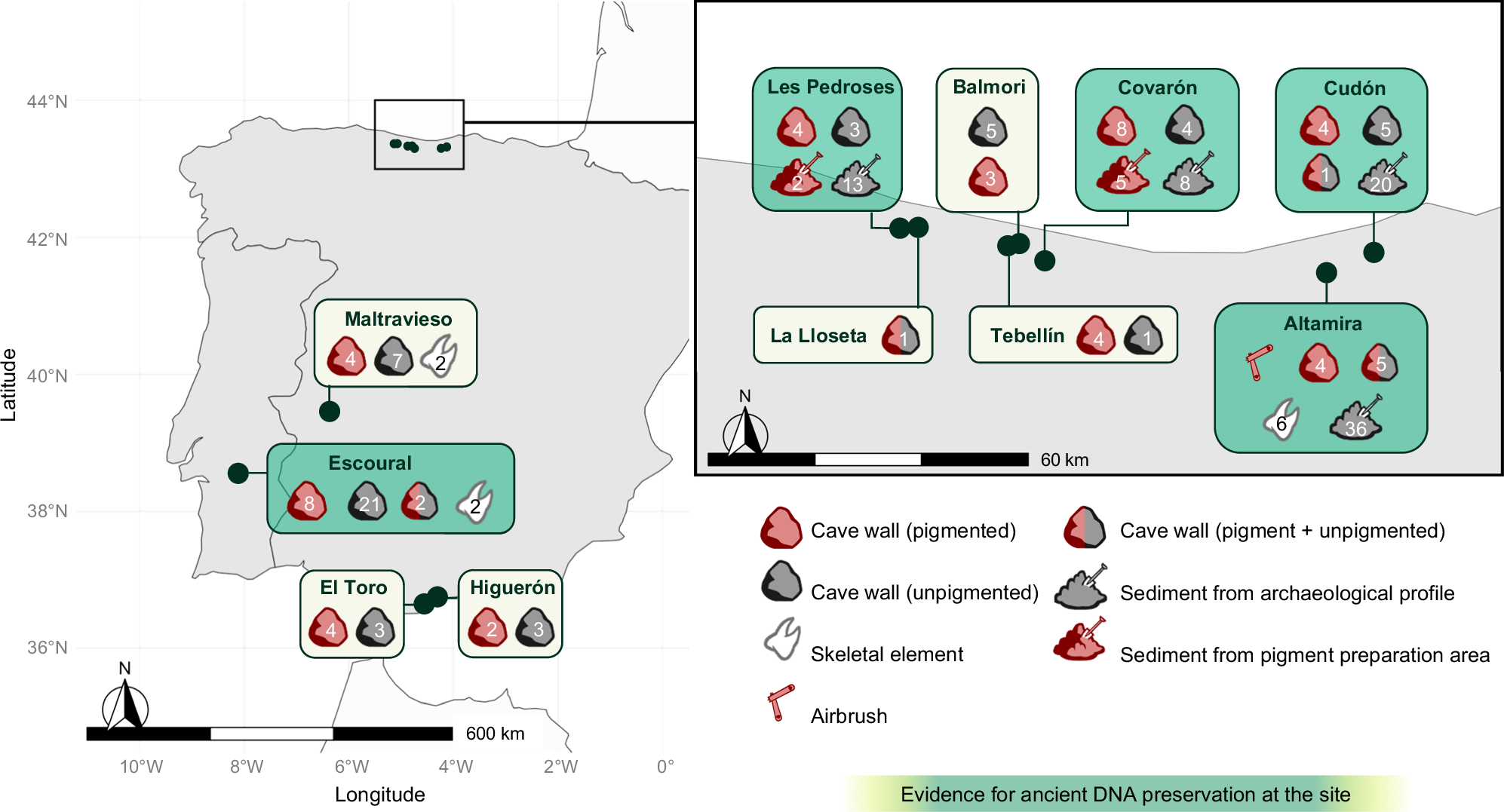
Previous efforts to link Palaeolithic cultural records to specific populations through DNA analysis have focused on materials from archaeological floor deposits such as bones, sediments, and artefacts. In this study, we explore whether rock art, a spatially distinct expression of human activity, can also preserve DNA traces from its creators. We analyse DNA preservation in pigment samples collected in and around 24 rock art panels from 11 caves across Spain and Portugal, including simple marks (from nine sites), hand stencils (Maltravieso Cave, Extremadura, Spain), and figurative paintings (Cave of Altamira, Cantabria, Spain). We recover traces of ancient human mitochondrial and nuclear DNA, unaccompanied by faunal DNA, from a pigmented calcite crust at Escoural Cave (Portugal), as well as from an unpigmented cave wall sample from the same site. The absence of faunal DNA in both samples suggests direct DNA deposition through human contact. In contrast, three additional unpigmented samples, from Escoural and Covarón Cave (Asturias, Spain), yielded mixtures of human and faunal DNA, suggesting indirect deposition. Although our results do not conclusively link ancient human DNA preservation to the generation of cave art, we show that traces of human DNA can persist on cave walls for thousands of years.
Governance Archaeology: Research as Ancestry
Abstract. This essay presents the idea of governance archaeology, an approach to learning from the past to inform the politics of the future. By reporting on a prototype historical database, we outline a strategy for co-producing a global commons of collective governance practices that can inspire institutional learning and experimentation, particularly in the face of rapid technological change and vexing global crises. Embedded in our approach is an orientation of ancestry whereby practitioners cultivate relationships of accountability and responsibility to the legacies they learn from, recognizing the harm from past patterns of exploitation. By taking seriously a wide range of historical governance practices, particularly those outside the Western canon, governance archaeology seeks to expand the options available for the design of more moral political economies.
Anthropeum
A daily game that challenges our understanding of human cultures. Ten objects. 5,000 years of human history. Guess where and when each artifact was made. See how you rank.
Termite Ecology in the First Two Decades of the 21st Century: A Review of Reviews
Termite ecology came of age in 1978 with the seminal review of Wood and Sands which by considering the quantitative contributions made by termites to the carbon cycle at the landscape level concluded that they were major players in tropical ecosystems. Subsequent field work in the succeeding two decades was summarised in 2000 by Bignell and Eggleton, the most recent review which attempted to cover the entire topic in detail, which included 188 listed references and has been extensively cited for almost 20 years. Subsequent summaries more narrowly defined or in some cases more superficial are listed in the bibliography. In this overview, the main and subsidiary headings in Bignell and Eggleton are revisited and reclassified in the light of 186 selected articles added to the relevant literature since 2000, and some earlier work. While the literature on termite ecology remains buoyant, it has declined relative to publications on other aspects of termite biology. Overall, the thesis that termites have a major impact on, and are major indicators of soil health and landscape integrity in the tropics and sub-tropics is maintained, but the drivers of local diversity, abundance and biomass remain complex, with many biographical, edaphic and optimum sampling issues not completely resolved. The large increase in diversity and abundance data from Neotropical biomes can also be noted.
Ancient lost city discovered beneath Egypt's desert
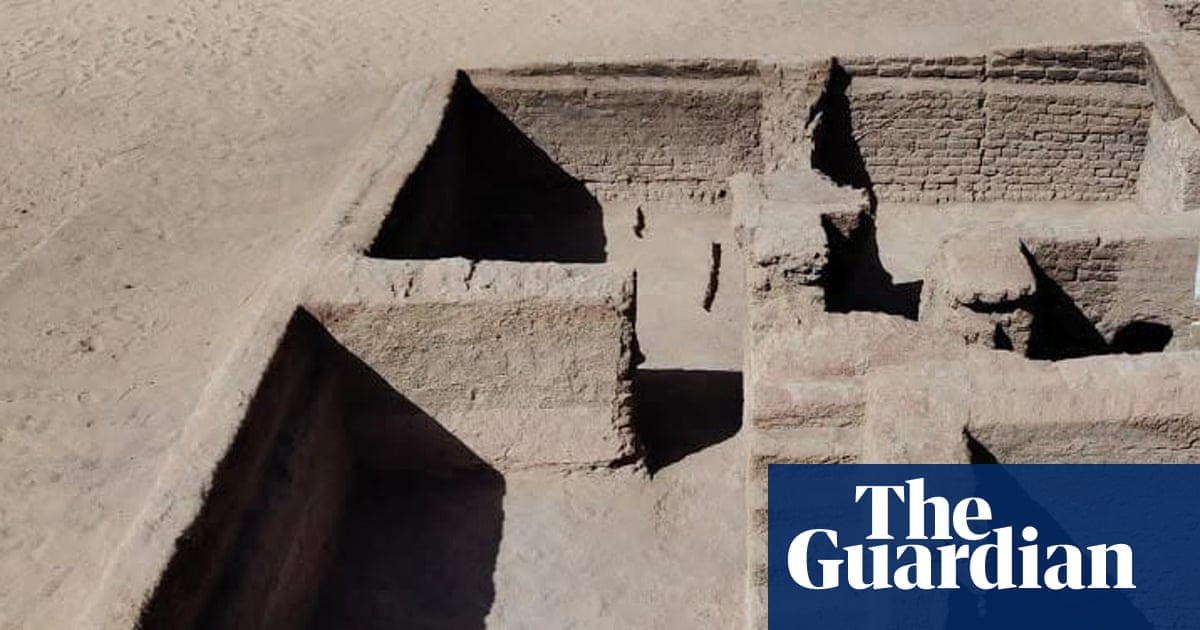
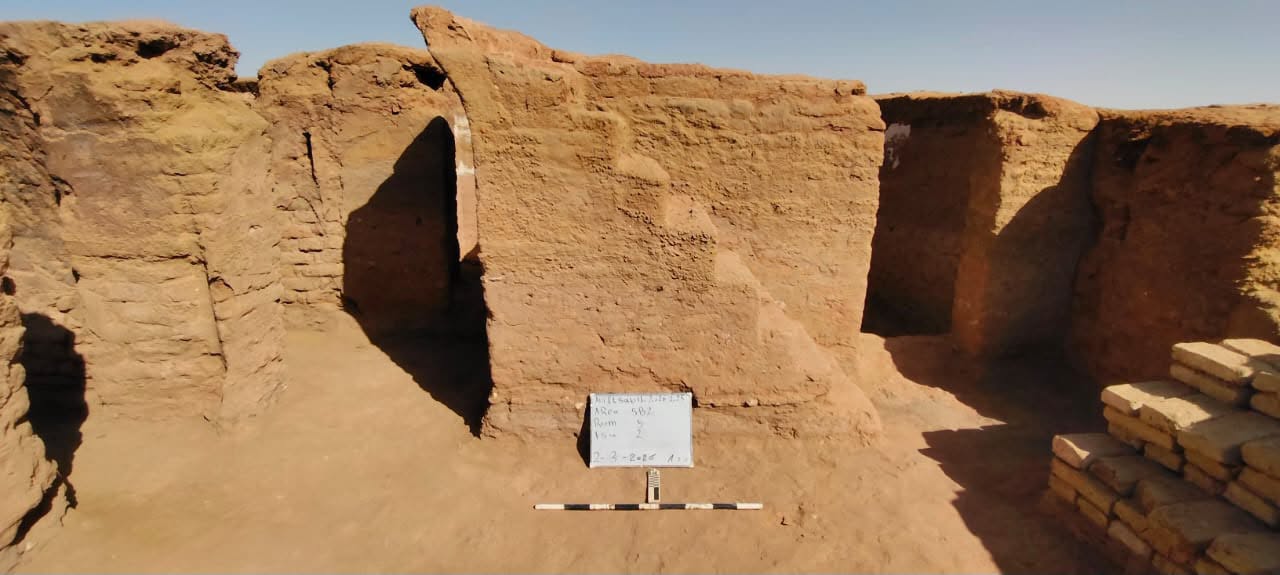
A remarkably well preserved 1,600-year-old city complete with a church, watchtowers and bustling streets has been unearthed beneath Egypt's Western Desert.

The Last Museum
The Last Museum is a semantic search engine for 5.8 million artworks from the world's great museums. Search by theme, style, subject, or any description you can imagine.

Archaeologists uncover ancient Byzantine city in Egypt’s western desert
Well-preserved fourth-century quarters reveal details of daily life, urban development and economic activities
Photos-Miracle in the desert: Entire, intact ancient city hidden in Egypt uncovered - Egypt Independent
Deep within Egypt’s Western Desert, the sands of the Dakhla Oasis have just surrendered a remarkably preserved secret. An Egyptian archaeological mission has discovered an entire, intact residential city dating back to the Byzantine era. Constructed entirely of mud brick at the Ain El-Sabeel site, the sprawling settlement offers a rare, cinematic window into what …
Tipographia
Visual archive of graphic design, typography and things printed in Portugal. A collection by...

Solving Fossil SCM's CAPTCHA in 171 characters | nns.ee
Ethical Hacking and Cybersecurity Blog

1177 BC: The Year Civilization Collapsed (Eric Cline, PhD)
The Color of Reason: The Idea of'Race'in Kant's Anthropology
Anthropology and Physical Geography. They were popular lectures attended by people from the general public. The present manual contains my lectures on anthropology. As to Physical Geography, however, it will not be possible, considering my age, to
Deleuze and Biosemiotics: Biological Emergence, Agency, and Subjectivity in Logic of Sense and A Thousand Plateaus
Tend the System. Know the System.
They didn't wander. That's the first thing to understand. The popular image of the hunter-gatherer is someone moving through an indifferent landscape, taking what they find. It's not wrong about the movement. It's wrong about the indifference — theirs and the land's. What the archaeological and ecological record increasingly shows is
Archivio Grafica Italiana
The first systematic digital archive dedicated to the Italian graphic design heritage. A growing overview aimed to spread and promote the culture of quality that distinguishes the Italian design tradition.

DigitaltMuseum
DigitaltMuseum is a common database for Norwegian and Swedish museums and collections. It provides access to more than four million photographs, objects, works of art and buildings.